Converse Apologizes and Pulls Ad Campaign After Outrage Over Racist Imagery
Boston, Sunday, 20 September 2026.
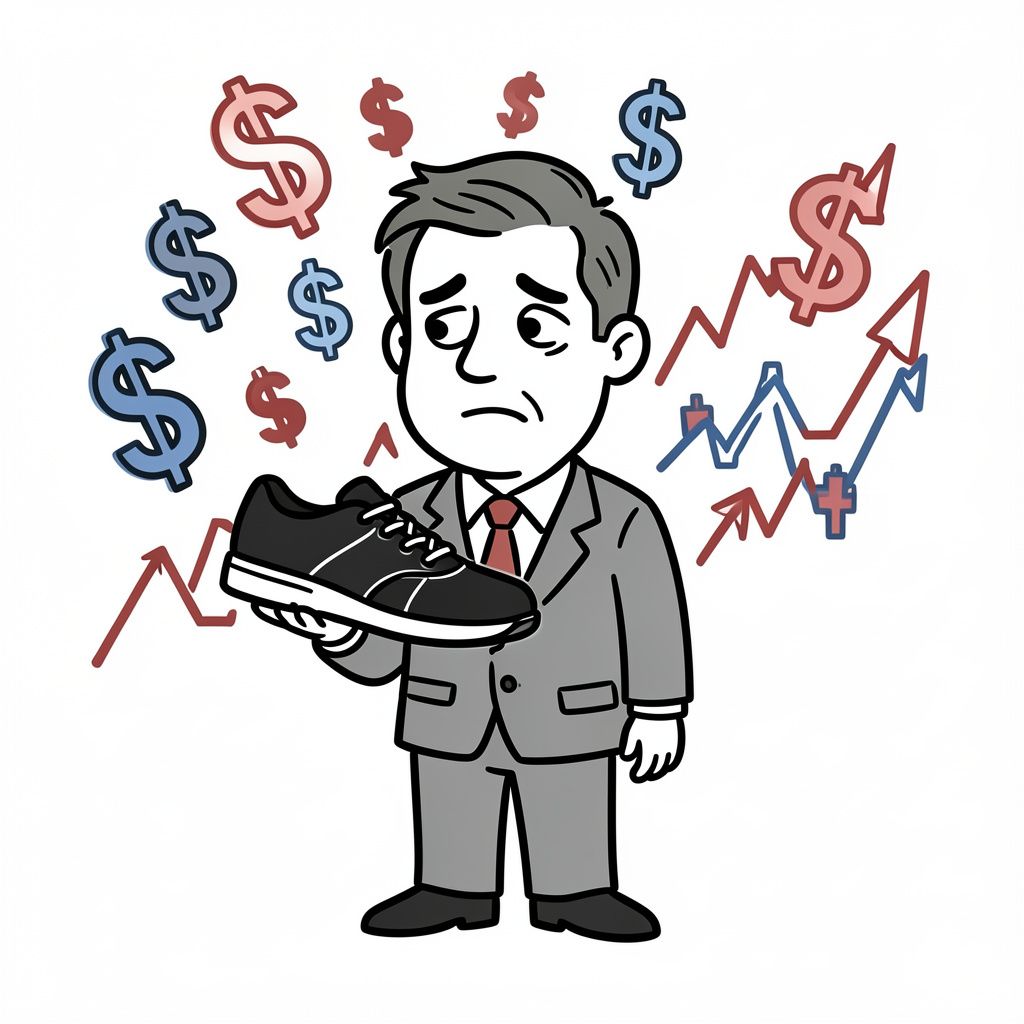
Facing severe public backlash and a 31 percent revenue drop, Nike subsidiary Converse pulled advertisements resembling Ku Klux Klan robes and lynchings, issuing a formal apology.
Corporate Apology and Campaign Removal
On September 18, 2026, Nike-owned subsidiary Converse issued a public apology and removed a digital marketing campaign following intense backlash [1][3]. The controversy centered on imagery that critics likened to Ku Klux Klan iconography and lynching [2][5]. Converse stated via email to media outlets that they understood why the image was deeply upsetting and recognized they got it wrong [3][5]. The company confirmed removal from its own channels and third-party platforms around September 18, 2026 [1][2].
Controversial Imagery Details
The primary advertisement featured Aespa singer Karina wearing a white calf-length skirt under a star-shaped spotlight [5][8]. Critics alleged the spotlight silhouette resembled a KKK hood while the held sneakers evoked lynching imagery [2][5]. A separate campaign on Converse Malaysia’s Instagram depicted individuals climbing a ladder toward shoes hanging from a tree branch [5][8]. This secondary image also drew comparisons to historical racial violence and lynching [2][5].
Political and Public Response
Democratic Louisiana Representative Troy Carter publicly demanded accountability regarding the brand’s creative processes [1][3]. Carter questioned who approved the campaign and if any Black employees were consulted during development [3][5]. Social media users on platforms including X, Threads, and TikTok expressed outrage, with some posting videos burning their sneakers [2][5]. Critics emphasized that the pain associated with such imagery is not ancient history for many communities [5][8].
Financial Context and Brand Stability
This incident occurs amidst a reported 31% to 32% year-over-year revenue decline for Converse [4]. Parent company Nike has also faced challenges, with reports indicating a significant loss in value since its 2021 peak [4]. Analysts suggest that brands facing fading cultural relevance may resort to shock value, though this strategy carries severe reputation risks [4]. As of September 20, 2026, no public announcement regarding structural reforms has been made [4][5].