AlphaRender Unveils AI Platform to Accelerate Architectural Design
San Francisco, Wednesday, 8 April 2026.
Launched today, AlphaRender’s new AI platform allows architects to generate and edit high-resolution concepts in under a minute, signaling a major leap in operational efficiency for design professionals.
Addressing Bottlenecks in Architectural Visualization
Developed by Omegarender Studio—a firm with over a decade of experience producing architectural visualizations—AlphaRender officially became available for public testing today, April 8, 2026 [1]. The software was specifically engineered to mitigate chronic industry challenges, such as sluggish concept presentations and the friction associated with rapidly testing design iterations [1]. By streamlining these initial phases, the platform aims to help architectural firms preserve their specific visual language while avoiding lengthy preparation periods [1].
Streamlining Workflows with In-Scene Editing
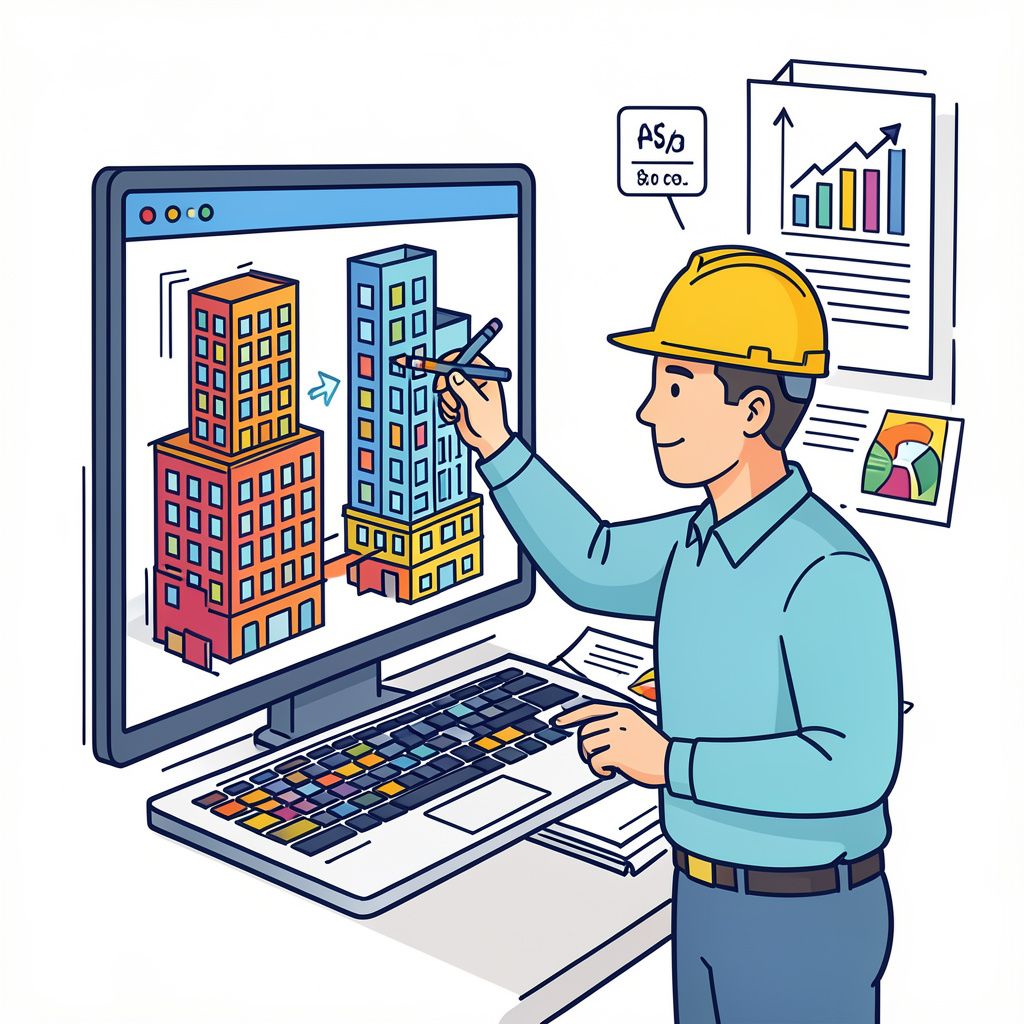
The platform’s performance metrics suggest a significant reduction in project turnaround times, with the average generation of high-resolution images taking merely 40 to 50 seconds [1]. Crucially, the software enables professionals to add or remove elements within these high-resolution outputs without the computational burden of completely re-rendering the entire scene [1]. This localized editing capability represents a major operational shift for 3D artists and architects who traditionally face hours of rendering time for minor adjustments [GPT].
Strategic Implications and Future Roadmap
For real estate developers and financial stakeholders, expediting the visualization phase translates directly to clearer proposals and more efficient capital allocation [alert! ‘economic benefit inferred from faster project turnaround and decision-making’]. The AlphaRender platform, associated with industry professional Oleksandr Melnyk, accelerates investor decision-making by allowing stakeholders to see future projects earlier and with greater clarity [1]. This rapid prototyping ensures that design decisions are aligned across all parties long before physical construction begins [1].