Treasury Secretary Signals Fed Will Delay Major Balance Sheet Adjustments
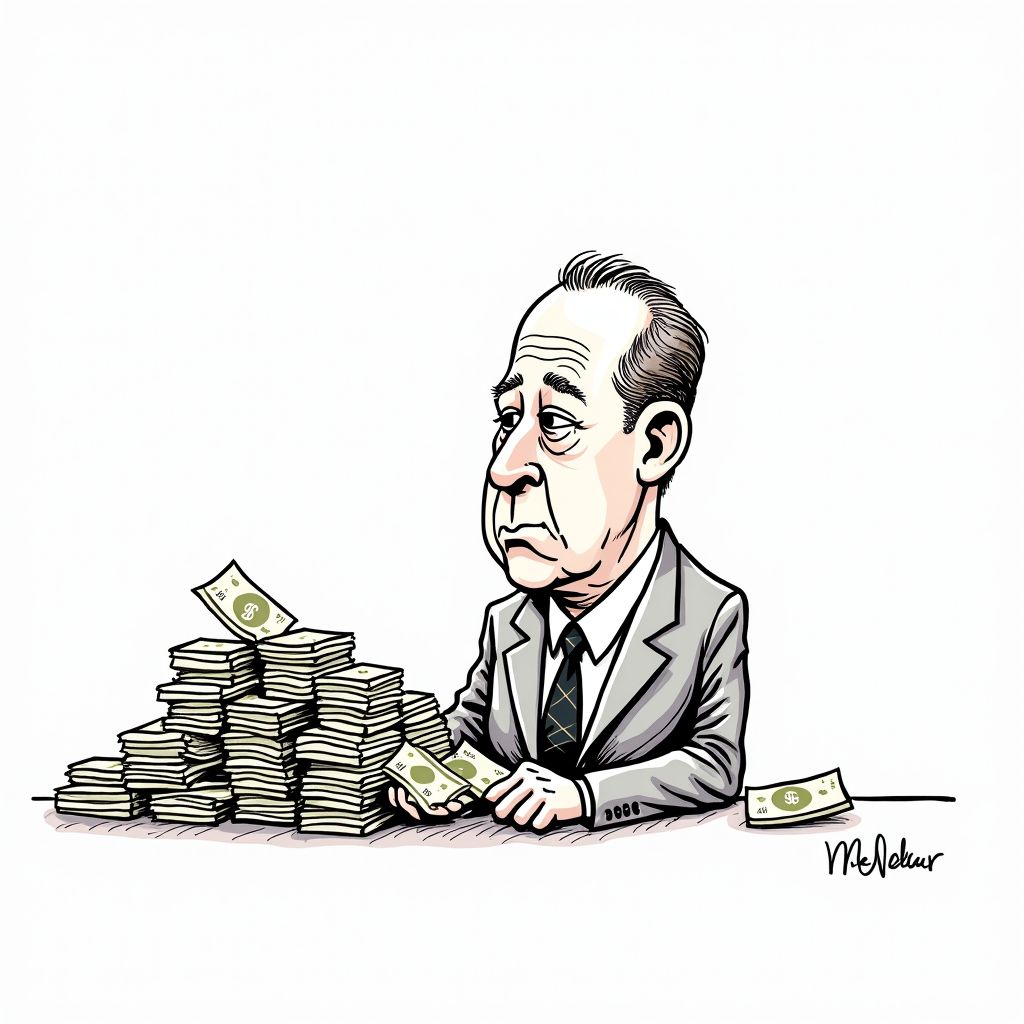
Washington, Sunday, 8 February 2026.
Despite Fed nominee Kevin Warsh’s hawkish stance on bond purchases, Secretary Bessent predicts the central bank will wait at least a year before altering its strategy, prioritizing market stability over rapid quantitative tightening.
A Measured Approach to Monetary Policy
On Sunday, February 8, 2026, U.S. Treasury Secretary Scott Bessent provided significant clarity regarding the administration’s outlook on the Federal Reserve’s monetary trajectory. Speaking on Fox News Channel’s “Sunday Morning Futures,” Bessent emphasized that he does not anticipate the central bank will move swiftly to further shrink its balance sheet [1][2]. This projection stands even in light of the nomination of Kevin Warsh for Fed chief, a figure known for his critical stance on the central bank’s asset accumulation [1]. Bessent suggested that under an “ample reserves” framework, the Federal Reserve would likely “sit back” and take at least a year to determine its long-term strategy regarding asset holdings [2][4].
Navigating the Shift in Leadership
The commentary arrives at a pivotal moment for the Federal Reserve, as the institution faces a potential leadership transition. Kevin Warsh, a former Fed governor who served from 2006 to 2011, has previously argued that the Fed’s massive bond portfolio distorts financial markets and should be reduced [1][2]. Despite Warsh’s historical hawkishness on bond purchases, Secretary Bessent affirmed that Warsh would operate as a “very independent” Fed chief if confirmed [4]. However, Bessent’s remarks temper expectations of an immediate aggressive pivot, signaling that the complexities of the current financial landscape may necessitate a more cautious timeline than Warsh’s past rhetoric might imply [3][4].
The Quantitative Tightening Landscape
To understand the scale of the challenge, one must look at the significant fluctuations in the Federal Reserve’s balance sheet over the last four years. The central bank’s holdings peaked at approximately $9 trillion during the summer of 2022, driven by stimulus efforts related to the COVID-19 pandemic and the global financial crisis [1][2]. By late 2025, through a process of quantitative tightening (QT)—allowing bonds to mature without replacement—the balance sheet had contracted to roughly $6.6 trillion [1][2]. This represents a reduction of approximately -26.667 percent from its peak. Interestingly, the trend saw a slight reversal in December 2025, when the Fed resumed technical purchases of Treasury bills to maintain liquidity and control short-term interest rates [1][2].
Economic Implications and Political Pressures
The pace of balance sheet reduction is not merely a technical concern but a macroeconomic lever with direct political implications. On February 2, 2026, President Donald Trump explicitly stated his desire for lower mortgage rates [1]. Economists have warned that a rapid reduction of the Fed’s holdings—effectively dumping more supply of bonds onto the market—could drive long-term interest rates higher, thereby working against the administration’s goal of affordable housing finance [2]. Bessent’s guidance suggests a strategic alignment where market stability and borrowing costs take precedence, ensuring that the “unwinding” process does not disrupt the broader economic recovery or the mortgage market [1][2].