Michigan Targets Oil Giants with Market Manipulation Charges Over Green Tech
Lansing, Monday, 16 February 2026.
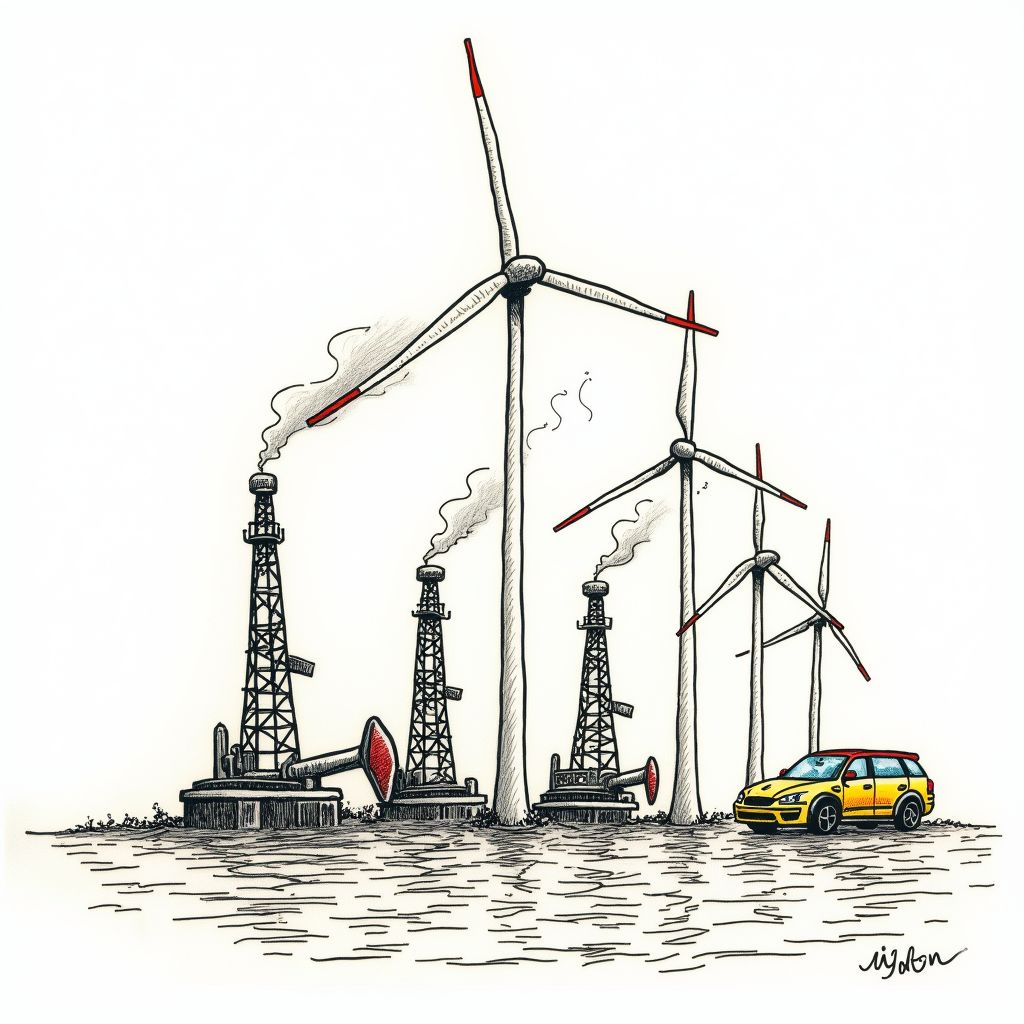
Michigan’s landmark lawsuit shifts focus from climate damages to antitrust law, accusing major oil corporations of operating as an illegal cartel to suppress renewable energy and electric vehicles.
A Strategic Pivot to Antitrust Law
Michigan Attorney General Dana Nessel filed the complaint in federal court on January 23, 2026, naming industry titans BP, Chevron, ExxonMobil, Shell, and the American Petroleum Institute (API) as defendants [2]. Unlike previous litigation that hinged on liability for climate change damages—a strategy often bogged down by jurisdictional disputes—this lawsuit alleges that these entities operated as an illegal cartel [1]. The core accusation is that the companies colluded to suppress competition from alternative energy sources, specifically solar power and electric vehicles, to artificially maintain the market dominance of fossil fuels and drive up energy costs for consumers [1]. By framing the issue as a violation of antitrust statutes, Michigan aims to bypass the legal hurdles that have stalled other climate-related cases, focusing instead on market manipulation and consumer harm [1].
Industry Defense and Federal Friction
The fossil fuel industry has responded aggressively, characterizing the litigation as politically motivated regulatory overreach. ExxonMobil dismissed the suit as “legally incoherent,” arguing it would neither reduce emissions nor benefit consumers, while API Senior Vice President Ryan Meyers termed the case “baseless” and part of a coordinated campaign against the industry [1][2]. The American Petroleum Institute has identified stopping “extreme climate liability policy” as a top priority for 2026 and is actively lobbying Congress for a liability shield to protect the sector from such state-level legal actions [1][2].
Escalating Jurisdictional Conflict
The conflict between state and federal powers intensified on February 13, 2026, when U.S. District Judge Jane M. Beckering dismissed a preemptive lawsuit filed by the U.S. Department of Justice (DOJ) against Michigan [1]. The DOJ had sued Michigan, along with New York, Vermont, and Hawaii, in an attempt to block their climate superfund laws and potential litigation [1]. Following the dismissal, Attorney General Nessel stated, “My office will not be bullied,” reinforcing the state’s commitment to pursuing the antitrust claims despite federal pressure [1].