Major Cinema Chains Reject Brad Pitt's New Netflix Blockbuster
Los Angeles, Monday, 2 November 2026.
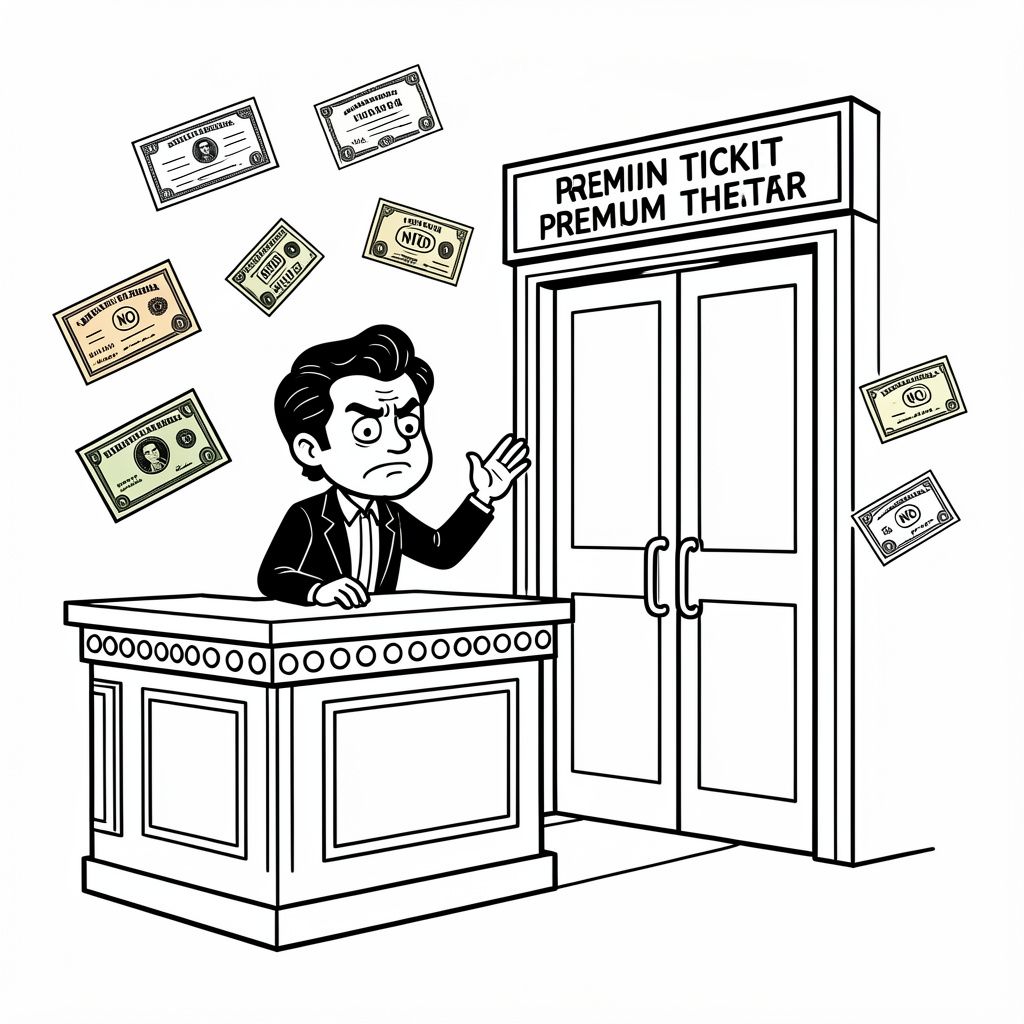
Regal and Cinemark are boycotting Netflix’s $200 million holiday tentpole across their premium auditoriums, rejecting a brief 27-day theatrical exclusivity period in favor of traditional, longer-playing studio blockbusters.
The Breaking Point in Theatrical Windows
The refusal of Regal Cinemas and Cinemark Holdings Inc. (NYSE: CNK) to screen Netflix Inc.’s (NASDAQ: NFLX) The Further Mis-Adventures of Cliff Booth represents a deliberate pushback against the streaming giant’s evolving theatrical strategy. The film, directed by David Fincher and starring Brad Pitt, was scheduled to debut exclusively in premium large-format auditoriums starting Wednesday, 25 November 2026, with a streaming release on Netflix set for Tuesday, 23 December 2026—just 27 days later [1][2][4]. This compressed window has drawn sharp criticism from major theater circuits, which argue that shortened exclusivity periods undermine the value of big-screen exhibition [1][2]. Regal’s Senior Vice President of U.S. Content, Brooks LeBoeuf, emphasized the point, stating, ‘Regal’s premium screens are among our most valuable assets, and one of the factors we consider in how we allocate them is the level of commitment distributors make to the theatrical marketplace. Shortened theatrical windows have a direct impact on those decisions’ [2].
Thanksgiving Clash: Holiday Box Office Priorities vs. Streaming Timelines
The decision by Regal and Cinemark to bypass Cliff Booth reflects broader concerns over holiday scheduling conflicts and the strategic devaluation of premium screens. With Thanksgiving 2026 falling on Thursday, 26 November, industry observers note that the week is historically one of the busiest of the year, dominated by blockbusters such as Lionsgate’s The Hunger Games: Sunrise on the Reaping and Universal’s Focker-in-Law [1][3]. By opting to reserve their IMAX screens for high-profile studio releases, the chains signal a clear preference for titles committed to longer theatrical runs over streaming platforms’ abbreviated exclusivity windows [1][2][3]. AMC, which operates the world’s largest IMAX network, has agreed to screen the film on 200 U.S. IMAX screens, alongside independent theaters, totaling approximately 550 screens worldwide [1][4].
Netflix’s Theatrical Gambit: A Mixed Record of Hybrid Releases
Netflix’s push into theatrical exhibition, exemplified by Cliff Booth, follows a series of high-profile but inconsistent releases. Earlier in 2026, Netflix’s Cannes-winning drama La Bola Negra reported box office grossing of over $277,000 across just four theaters, marking the second-highest screen average for a non-English language film after 2019’s Parasite [2]. The platform has also experimented with lengthened theatrical windows for awards-season contenders such as Greta Gerwig’s Narnia: The Magician’s Nephew, which secured a 50-day theatrical window before streaming, and the upcoming Charlie vs. the Chocolate Factory, slated for a 47-day window [2]. However, Netflix’s handling of Rian Johnson’s Knives Out: Wake Up Dead Man in late 2025, with a mere 17-day theatrical window, drew widespread criticism after top circuits declined to screen it, resulting in a lackluster $4 million domestic debut [1]. Comparatively, Johnson’s earlier Knives Out: Glass Onion, released during Thanksgiving 2022 with a 30-day window, achieved a $13.3 million opening over five days across 696 theaters [1].
Strategic Implications for Streaming and Exhibition
The standoff over Cliff Booth underscores a fundamental divide between streaming platforms and traditional exhibitors, particularly in their competing visions for theatrical exclusivity. Netflix’s willingness to experiment with theatrical runs—albeit with shorter windows and select premium formats—signals a bid to enhance the prestige of its original films while appeasing critics and awards voters [2][3]. However, the industry’s lukewarm response to abbreviated windows suggests that exhibitors remain unconvinced of streaming platforms’ long-term commitment to theatrical exhibition. Brooks LeBoeuf’s statement to Variety reaffirmed Regal’s stance: ‘We will continue to prioritize releases that recognize the value of theatrical exclusivity’ [2]. As Netflix continues to calibrate its hybrid release strategy, the outcome of Cliff Booth may serve as a bellwether for future negotiations between streaming services and theater chains over the terms of big-screen exclusivity.
Sources
- deadline.com
- variety.com
- www.indiewire.com
- www.instagram.com
- collider.com
- www.facebook.com
- www.facebook.com
- www.reddit.com