The Hidden Human Cost Behind the Rapid Expansion of European Technology Hubs
Brussels, Friday, 30 October 2026.
Behind Europe’s €100 billion digital infrastructure boom, a major investigation uncovers severe migrant worker exploitation, withheld wages, and catastrophic injuries, including an electrocution that left a technician in a coma.
The Human Catastrophe Behind Europe’s Data Center Boom
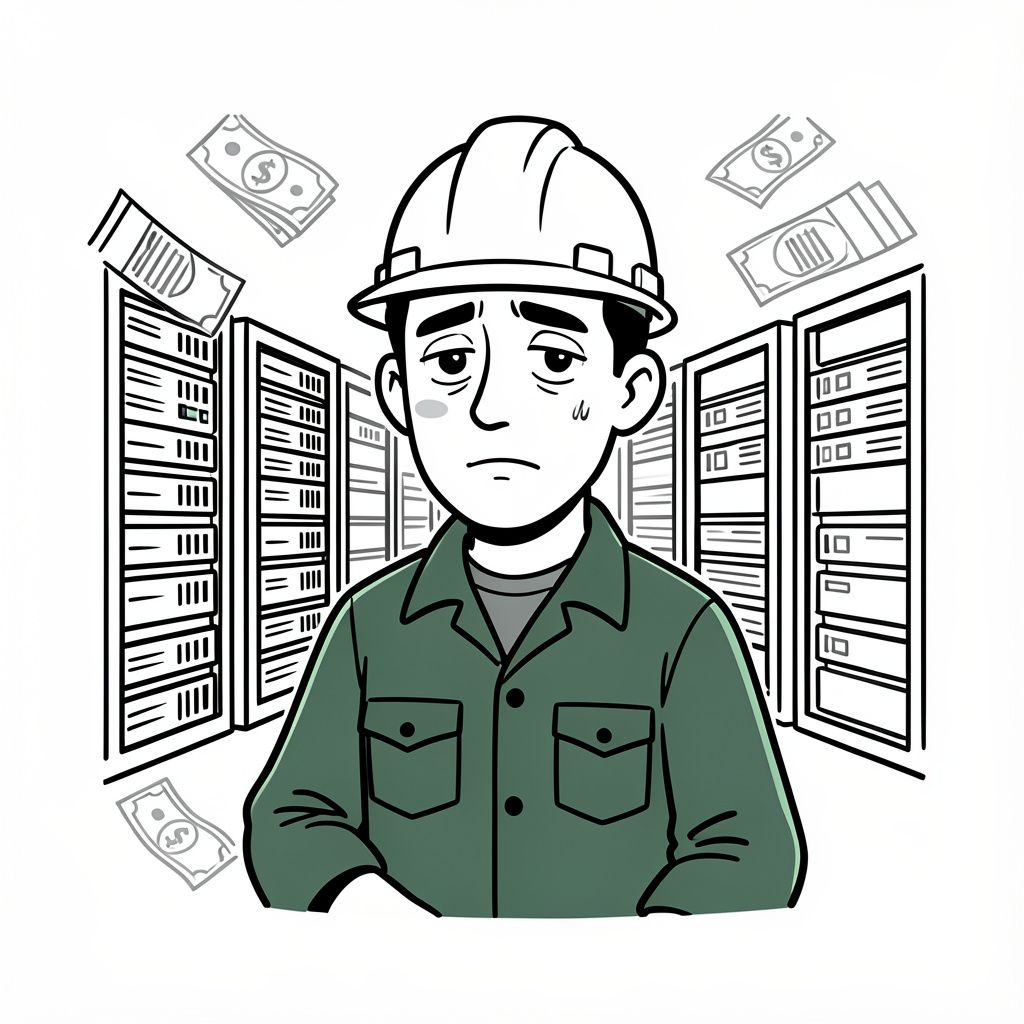
A 34-year-old Romanian electrical tester known as Sandu was finishing a nearly 10-hour shift at Google’s €5 billion data center campus (GBL-6) in Saint-Ghislain, Belgium, on an unspecified date in March 2026 when disaster struck. Supervisors allegedly confirmed power lines were de-energized, but during a final safety check, Sandu was struck by a 400-volt, 12,000-amp electrical arc while handling insulated pliers to connect cables. The blast left him with second-degree burns to his face and neck and third-degree burns on his right shoulder and fingers, covering 12% of his body. Sandu was rushed to the Grand Hôpital de Charleroi, placed in a medically induced coma for five days, and required multiple skin grafts. Years later, he still suffers from chronic pain, anxiety disorders, and vision problems [1][2][3][4][5].
A Pattern of Negligence and Non-Compliance
Despite the severity of the incident, Belgium’s federal labor inspectorate closed its investigation in late October 2026 without issuing fines or sanctions, finding no wrongdoing and failing to interview Sandu directly [1][2][3][4][5]. The case reflects broader systemic failures across Europe’s data center construction sites, where migrant workers face hazardous conditions, wage theft, and intimidation. In Sweden, workers at Microsoft’s €3 billion AI data center expansion in Gävle—began in June 2024—reported cramped living conditions with 24 people sharing a single kitchen and 14 men using one bathroom. Rat infestations plagued their housing, and ventilation and heating systems were inadequate for winter conditions [1][2][3][4][5].
Public Health Crises and Chronic Underreporting
In February 2026, a Romanian worker at the Gävle site tested positive for active tuberculosis. Subcontractor BenBau initially only informed those living near the affected worker, and testing was voluntary. Neither the Swedish Work Environment Authority nor the Public Health Agency received reports of an outbreak, raising concerns about deliberate underreporting [1][2][3][4][5]. The situation escalated in May 2026 when approximately 40 men, some with latent tuberculosis or symptoms, were relocated to a Microsoft site in Høje Taastrup, Denmark, without proper notification or follow-up [1][2][3][4][5].
Systemic Exploitation and Regulatory Gaps
Investigations reveal rampant wage theft, with workers at the Gävle site reporting 50- to 60-hour workweeks without overtime or holiday pay. The union Solidariska Byggare brokered a settlement with BenBau in late October 2026, securing back pay for 70 Romanian workers and union access to the site, but the total withheld wages reportedly exceeded €900,000 [1][2][3][4][5]. Regulatory gaps exacerbate the problem. Sweden’s Work Environment Authority, which opened 50 cases involving Microsoft and Irish firms since 2021, has no independent enforcement powers, and the European Labour Authority employs fewer than 140 staff with no inspection authority [1][2][3][4][5]. Anti-union practices are pervasive, with unions reporting blocked access to sites in Sweden, Belgium, and the UK. Unite the Union’s James McCabe stated, ‘Everywhere we’ve encountered Irish data center contractors at tech-giant sites, we’ve learned of lack of normal and meaningful union access, difficulty accessing information, and serious concerns of labor crimes and exploitation of workers’ [1][2][3][4][5].
Corporate Accountability and the Path Forward
Major tech firms like Google, Microsoft, and their contractors have issued statements condemning unsafe conditions and vowing compliance with labor laws. Google stated its suppliers are contractually required to provide safe working conditions and comply with local labor legislation [1][2][3][4][5]. Microsoft claimed it sets strict requirements for contractors regarding safety, working conditions, freedom of association, and collective bargaining, and conducts audits [1][2][3][4][5]. However, the joint investigation by The Guardian, Investigate Europe, and partners across eight countries documents persistent violations, including unpaid wages, unsafe housing, and anti-union practices [1][2][3][4][5]. The European Commission is set to propose the Quality Jobs Act to strengthen worker protections and supply chain compliance, but its effectiveness hinges on robust enforcement and cross-border cooperation [1][2][3][4][5].