How China Is Shielding Its Economy From the Global Oil Shock
Beijing, Saturday, 4 April 2026.
While the Iran conflict pushes crude past $100, China leverages a massive 1.2 billion-barrel stockpile and private refineries to successfully insulate its economy from global energy shocks.
The Strategic Role of ‘Teapot’ Refineries
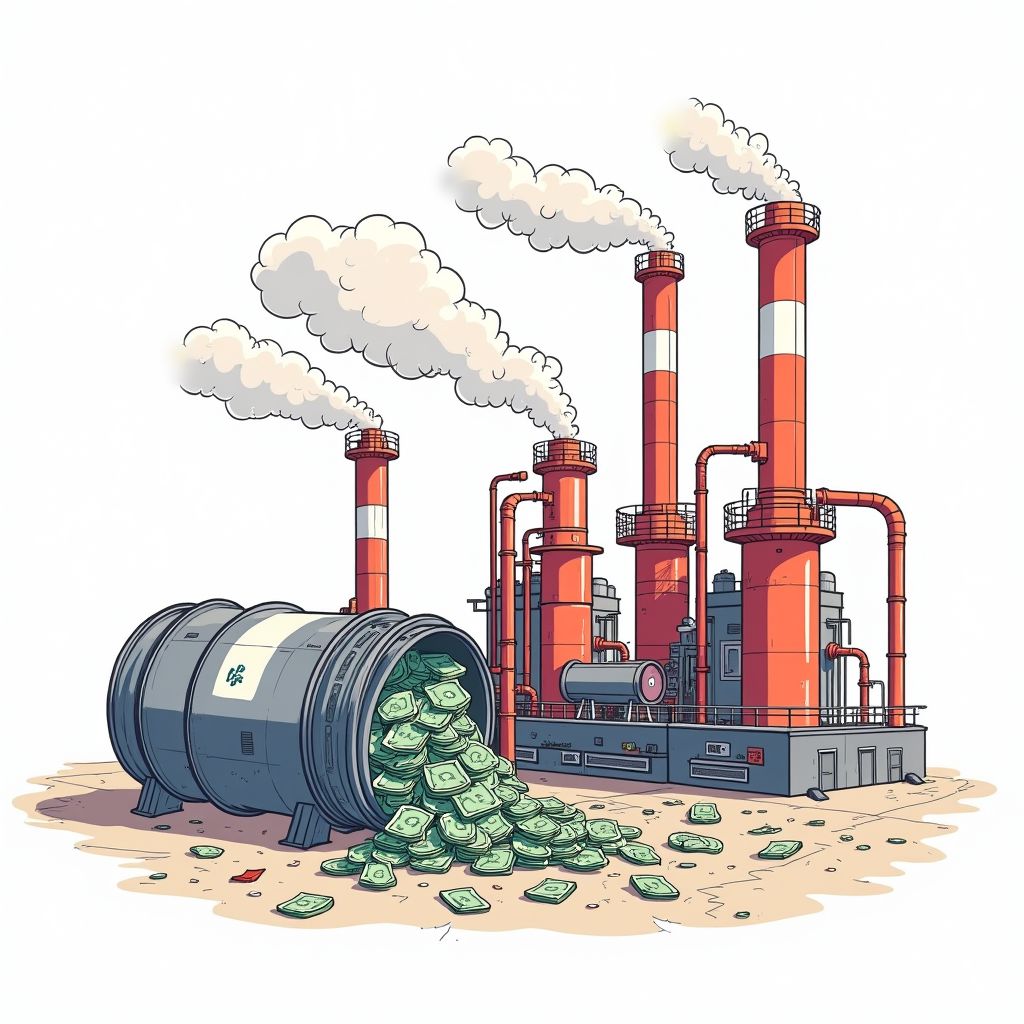
Instrumental to processing this discounted crude is China’s network of small, privately owned facilities known as “teapot” refineries, predominantly clustered in the eastern province of Shandong [1][2]. Characterized by their compact infrastructure, these teapots account for approximately 25 percent of the nation’s total oil processing capacity [1][2]. Unlike massive state-owned energy conglomerates, which often avoid heavily sanctioned markets to protect their international operations and financial compliance [GPT], teapot refineries have actively capitalized on heavily discounted oil from Iran, Russia, and Venezuela [1][2].
Shifting Geopolitics and Alternative Suppliers
The global fallout from the Strait of Hormuz blockade has forced a broader reassessment of energy security and maritime trade dependencies [3]. The United States has attempted to position itself as an alternative energy supplier amid the chaos. U.S. President Donald Trump publicly advised nations grappling with fuel shortages to “Buy From Us” or secure their own maritime passage through the blockaded strait, signaling a potential reduction in Washington’s traditional role of safeguarding global oil transit routes [3]. This stance has intensified global concerns over economic stability and trade flows [3].
Thinning Margins and Looming Vulnerabilities
However, China’s economic shield is beginning to show structural stress as the conflict extends into its second month [1]. The financial viability of teapot refineries depends heavily on deep discounts, as these smaller facilities operate on notoriously thin profit margins [2]. Prior to the outbreak of the war, Iranian light crude traded at an $11 discount per barrel compared to the international Brent benchmark [1]. As Brent crude surged past $100 and global buyers scrambled for available barrels, that discount rapidly compressed to just $2 per barrel [1].