Health Secretary Kennedy Defends Sweeping Budget Cuts Amid Intense Congressional Scrutiny
Washington, Friday, 17 April 2026.
Health Secretary Robert F. Kennedy Jr. faced fierce congressional scrutiny Thursday, defending steep budget cuts while surprisingly conceding the measles vaccine is safer than the disease itself.
Navigating Budget Contractions and Agency Overhauls
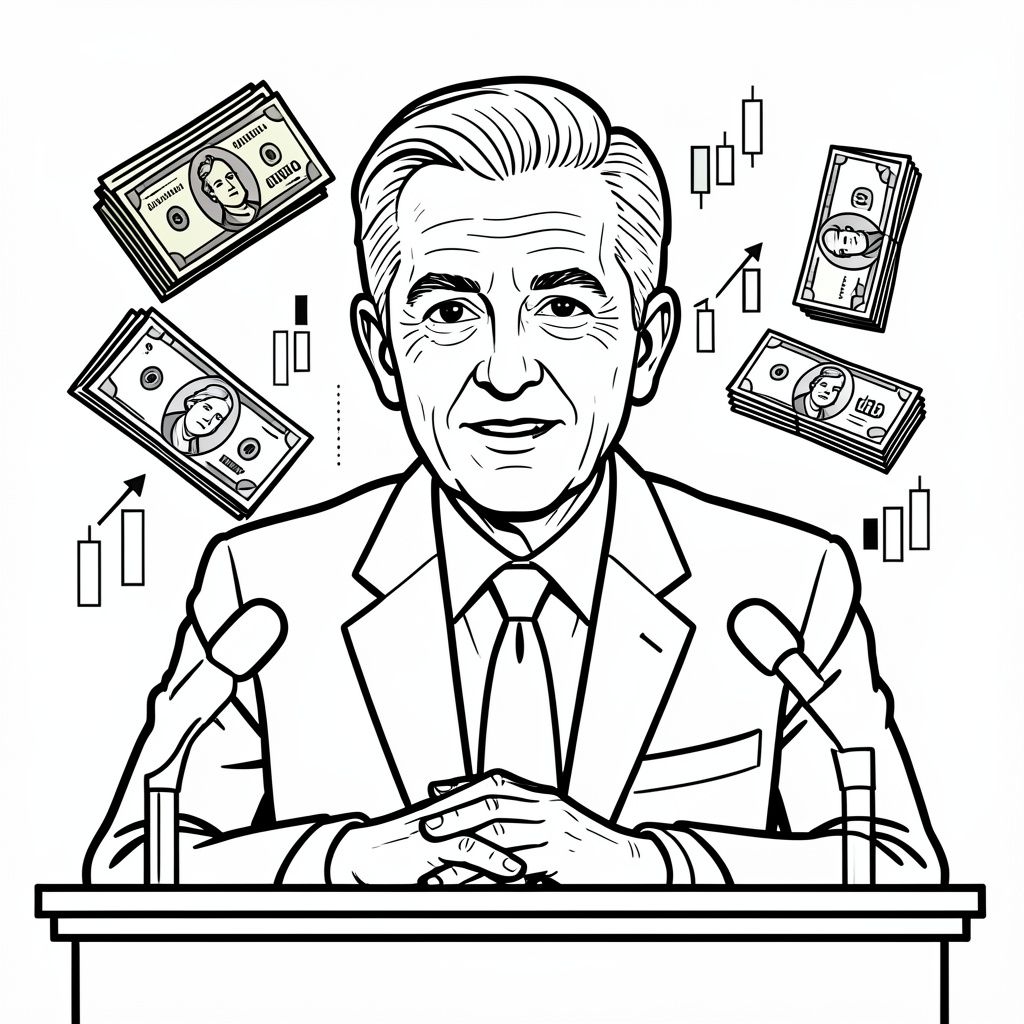
On Thursday, April 16, 2026, Health and Human Services (HHS) Secretary Robert F. Kennedy Jr. commenced a rigorous series of seven congressional hearings, appearing before the House Ways and Means and Appropriations committees [1][2][7]. The primary focus of these sessions is the Trump administration’s fiscal year 2027 budget request, which proposes aggressive financial contractions across federal health agencies [6]. Specifically, the administration aims to slash the HHS budget by approximately $16 billion, representing a 12.5 percent reduction [2]. As part of this broader austerity measure, Representative Bradley Scott Schneider, a Democrat from Illinois, highlighted a proposed $5.7 billion cut to the National Institutes of Health (NIH) [2]. This specific research reduction accounts for 35.625 percent of the total proposed HHS budget decrease.
The Vaccine Debate and Public Health Fallout
However, Democratic lawmakers swiftly redirected the hearings toward Kennedy’s highly controversial vaccine policies and their real-world implications [2][5]. The United States has experienced a sharp resurgence in vaccine-preventable diseases, recording over 2,200 measles cases in 2025 and more than 1,700 infections already tabulated in the first quarter of 2026 [2]. Representative Mike Thompson, a Democrat from California, directly attributed these outbreaks to Kennedy’s leadership, stating, “Kids have died because measles is running rampant under your watch” [2]. This criticism was compounded by the tragic deaths of two unvaccinated children from measles in Texas earlier in 2026—the first such fatalities in the nation in a decade [3]. When pressed on whether the standard measles inoculation could have saved these children, Kennedy offered a rare concession, admitting, “It’s possible, certainly” [3][5].
Political Volatility and the MAHA Movement
Beyond the clinical debate, Kennedy’s tenure has generated significant political friction, testing the durability of his “Make America Healthy Again” (MAHA) coalition [6]. The White House recently convened high-level meetings between April 7 and April 14, 2026, to address growing dissatisfaction among voters who supported the Republican ticket in 2024 based on Kennedy’s alliance with President Trump [6]. This unrest was largely catalyzed by a February 2026 presidential directive to increase the production of glyphosate—a controversial herbicide—which deeply alienated MAHA supporters [6]. Consequently, political analysts note that a faction of these voters is now considering supporting Democratic candidates in upcoming elections due to the administration’s perceived sluggishness in improving public health [6].
Sources
- www.axios.com
- www.npr.org
- www.nytimes.com
- www.statnews.com
- www.pbs.org
- www.politico.com
- waysandmeans.house.gov