Hong Kong Cancels New Year's Fireworks Following Historic Fire, Testing Tourism Recovery
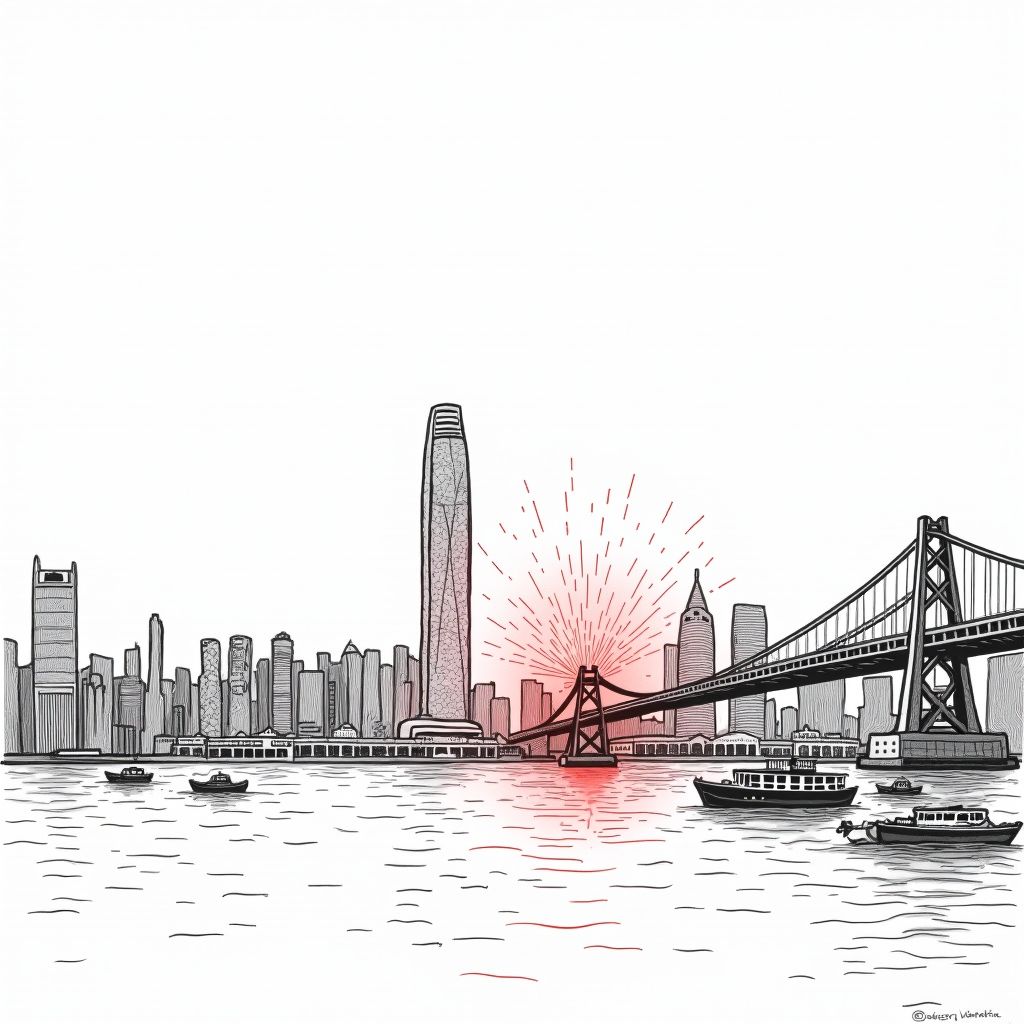
Hong Kong, Wednesday, 31 December 2025.
As Hong Kong prepares to welcome 2026, the city has made the somber decision to cancel its world-renowned Victoria Harbour fireworks display. This strategic pivot follows a devastating fire in Tai Po earlier in November, which claimed at least 161 lives—marking the financial hub’s deadliest blaze since 1948. While Secretary Rosanna Law acknowledges this move will inevitably impact holiday revenue for the hospitality and retail sectors, the Hong Kong Tourism Board is shifting focus to a “New Hopes, New Beginnings” light show and a concert featuring Air Supply. This decision highlights the delicate balance the city must maintain between public mourning and the economic urgency of revitalizing its tourism industry. The cancellation joins a list of recent disruptions, including the 2019 protests and the pandemic, signaling a subdued yet resilient transition into the new year.
Economic Implications and Strategic Pivots
The cancellation of the pyrotechnic display, a fixture that traditionally illuminates Victoria Harbour, poses a tangible challenge to Hong Kong’s hospitality industry as it moves into 2026. Rosanna Law, the Secretary for Culture, Sports and Tourism, has candidly acknowledged that the absence of the fireworks will negatively affect hotel and restaurant businesses, which typically rely on the spectacle to drive peak holiday revenue [1][2]. This economic concession comes in the wake of a catastrophic fire in November at Wang Fuk Court in Tai Po, which resulted in at least 161 fatalities [2]. By prioritizing public mourning over commercial festivity, the administration is signaling that social cohesion remains paramount, even at the cost of immediate financial returns in the tourism sector.
Operational Details of the Alternative Celebration
In place of the traditional fireworks, the Hong Kong Tourism Board (HKTB) has pivoted to a more subdued celebration themed “New Hopes, New Beginnings” [3]. The revised itinerary centers on the Chater Road Pedestrian Precinct in Central, where police scheduled road closures starting at 2:00 pm today to manage the anticipated crowds [4]. The evening’s entertainment is headlined by the Australian soft rock duo Air Supply, supported by local artists Jay Fung and Cloud Wan, alongside a children’s choir and the Hong Kong Police Band [3][4]. At midnight, rather than explosive pyrotechnics, the city will utilize the façades of eight iconic landmarks to project a three-minute immersive light show, designed to act as giant countdown clocks for the new year [1][3].
A Pattern of Somber Reflections
This year’s muted celebration is not without precedent in Hong Kong’s recent history, revealing a recurring pattern where civic tragedy or instability necessitates the scaling back of major festivities. The city previously cancelled fireworks in 2013 following the Lamma Island vessel collision that killed 39 people on October 1, 2012, and again in 2018 following a bus crash that claimed 19 lives [2]. Furthermore, displays were scrapped during the anti-government protests in 2019 and throughout the subsequent COVID-19 pandemic [1][2]. These repeated interruptions suggest that while Hong Kong aims to project an image of a bustling financial capital, its tourism calendar remains highly sensitive to local social and safety crises.
Visitor Sentiment and Future Outlook
For the tourism sector, the reaction from visitors highlights the difficulty of managing expectations during a crisis. Annie Wang, a tourist from Shanghai, expressed regret over the cancellation, noting the missed opportunity for a full experience, though she acknowledged the necessity given the fire [2]. Conversely, Wang Miao, a teacher from Guangzhou, stated that the change did not diminish the experience of visiting the city [2]. As Hong Kong enters 2026 with the “New Hopes, New Beginnings” light show, the event serves as a test of the city’s ability to offer compelling alternatives to its traditional attractions while navigating the somber realities of its recent domestic challenges [3].