How Secret Driving Records Cost General Motors 220 Million Dollars
Detroit, Friday, 30 October 2026.
General Motors settled a massive multistate privacy investigation after covertly selling customers’ detailed driving habits to insurance brokers, directly driving up motorist insurance rates without informed consumer consent.
The Smart Driver Program and Data Collection
General Motors’ (NYSE: GM) $220 million settlement [1][2][5][7][8] stems from the automaker’s operation of the Smart Driver program between 2016 and 2024, which tracked detailed driving behaviors of several million motorists [2][5][8]. The program, marketed as a safety tool, recorded data such as acceleration rates, speeding instances, braking habits, trip start and end times, and vehicle locations [2][5][7][8]. This extensive data collection occurred without explicit consent from many participants, as dealership employees allegedly enrolled buyers without their knowledge or approval, driven in part by GM sales incentives tied to OnStar and connected vehicle enrollments [5][8]. The program’s discontinuation in 2024 did not halt the scrutiny, as the settlement addresses practices that persisted even after the program’s end.
Unauthorized Data Sales and Insurance Implications
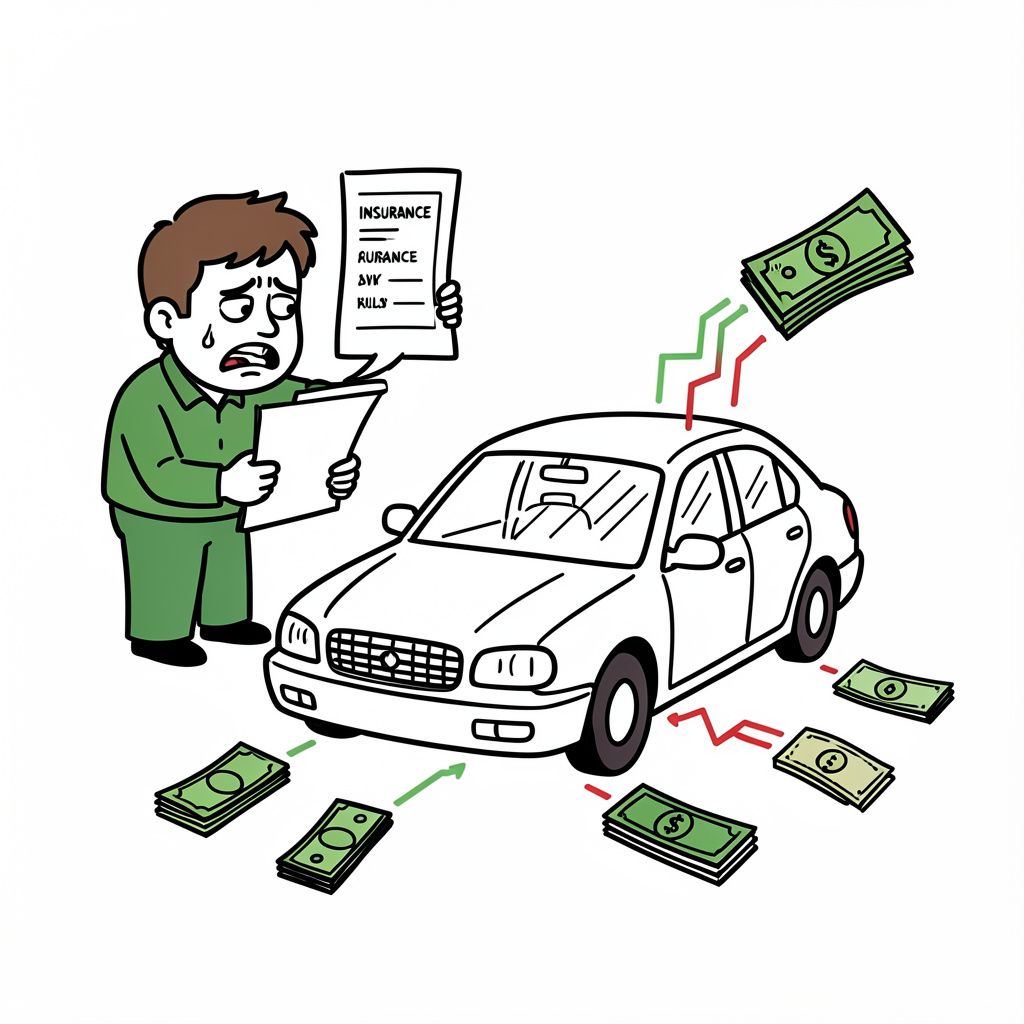
The core allegation centers on GM’s alleged sale of this sensitive driving data to third-party data brokers, who then provided it to insurance companies for underwriting purposes [1][2][5][7][8]. Insurers reportedly used this information to adjust premiums, leading to rate increases or even coverage denials for some drivers [2][5][7]. For example, attorneys general noted that the data included specifics such as the number of drives, start and end times, instances of hard braking or acceleration, and speeding incidents [2][7][8]. Washington State Attorney General Nick Brown emphasized the personal and identifiable nature of the data, stating that insurers had access to granular details about driving habits [2][7][8]. This practice violated consumer expectations of privacy and consent, as many drivers were unaware their data was being commercialized [1][2][5][7][8].
Regulatory Scrutiny and Legal Consequences
The settlement resolves a multistate investigation led by a bipartisan coalition of 36 attorneys general, including representatives from Oregon, Washington, Virginia, Colorado, and New York [2][5][7][8]. The coalition alleged that GM’s actions violated state data privacy laws and consumer protection statutes by failing to obtain affirmative, express consent before collecting or disclosing driving behavior and location data [2][5][7][8]. The Federal Trade Commission (FTC) had previously taken action against GM in January 2025, banning the company from disclosing certain driver data to consumer reporting agencies for five years and requiring the implementation of data deletion request processes [2][5][7]. This FTC ruling preempted some aspects of the state-led settlement, reinforcing the broader regulatory pressure on GM’s data practices [2][5][7].
Settlement Terms and Future Compliance
Under the terms of the $220 million settlement, GM is required to obtain explicit consumer consent before collecting or sharing any new driving behavior or location data [2][5][7][8]. The agreement also mandates that GM limit the collection of such data and implement comprehensive data privacy programs, including dealership oversight and staff training to prevent unauthorized enrollments [5][8]. Financial penalties are distributed among the participating states, with Connecticut and New York expected to receive approximately $6 million and $12 million, respectively, while Washington state is slated to receive $12.3 million [4][7]. GM has issued statements acknowledging the settlement and affirming its commitment to strengthening privacy practices, though it maintains that the Smart Driver program was discontinued in 2024 [1][2][4][5][7][8].
Broader Implications for Connected Vehicle Data
The case highlights systemic concerns within the telematics and automotive industries, where connected vehicle data is increasingly leveraged for insurance underwriting and other commercial purposes [1][2][5][7][8]. While programs like Smart Driver were framed as safety initiatives, their data collection practices blurred the line between consumer benefit and corporate monetization. The settlement sets a precedent for stricter consent protocols and data governance standards, signaling to automakers and telematics providers that unauthorized data sharing will not be tolerated [1][2][5][7][8]. Industry observers note that this agreement could accelerate the adoption of clearer data transparency measures and consumer control mechanisms across the sector [GPT]. However, the long-term impact on insurance pricing and consumer trust remains to be seen, particularly as telematics technology continues to evolve [GPT].
Sources
- ca.marketscreener.com
- thehill.com
- www.facebook.com
- www.google.com
- www.google.com
- www.atg.wa.gov
- www.google.com
- www.google.com