Hong Kong Tycoon Jimmy Lai Abandons Appeal in National Security Case
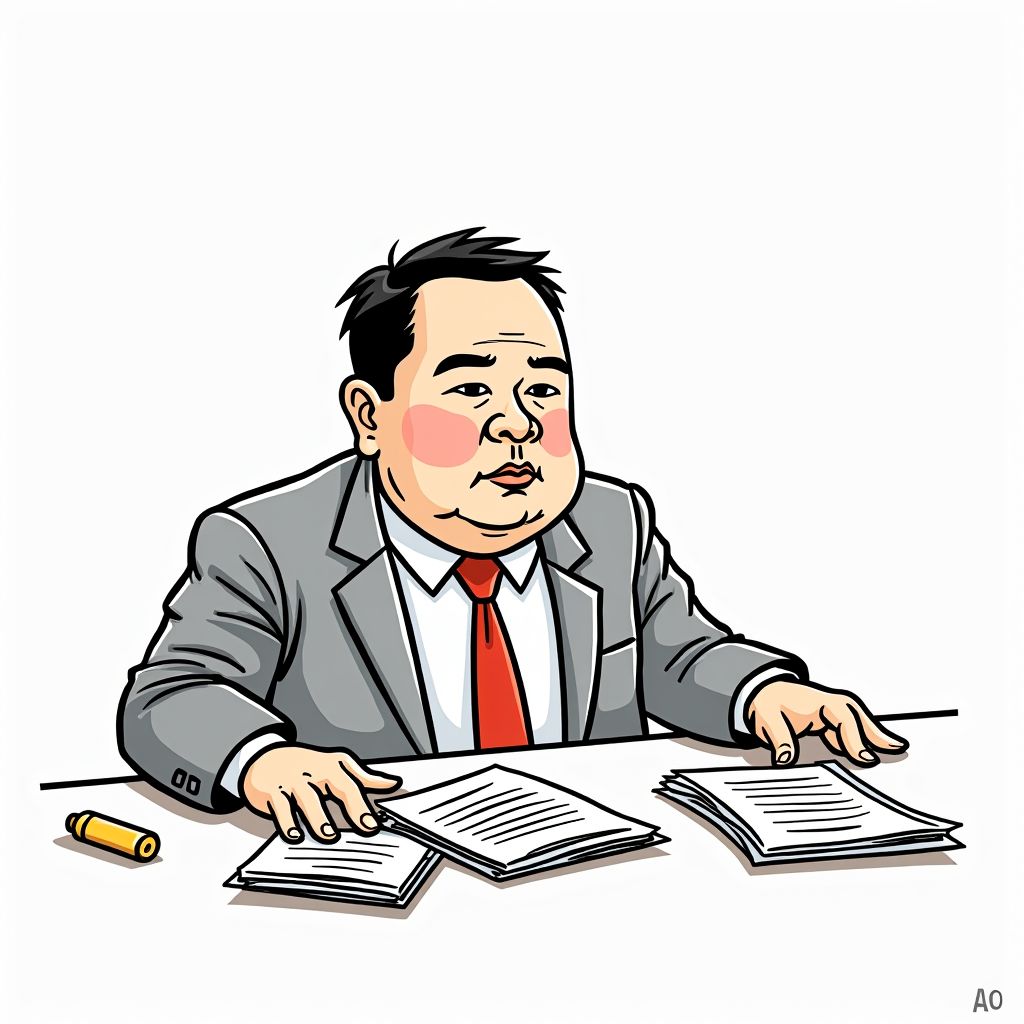
Hong Kong, Friday, 6 March 2026.
Jimmy Lai has unexpectedly dropped his appeal against a 20-year national security sentence. This decision concludes a landmark legal battle, despite the 78-year-old recently overturning a separate fraud conviction.
A Definitive End to a Legal Saga
In a move that solidifies the trajectory of Hong Kong’s judicial landscape under the National Security Law, Jimmy Lai’s legal team confirmed on Friday, March 6, 2026, that the media tycoon will not appeal his conviction or his 20-year prison sentence [1][8]. Lai, the 78-year-old founder of the now-shuttered Apple Daily, issued what his lawyers described as “clear and definitive instructions” to forgo further legal challenges regarding his December conviction for collusion with foreign forces and publishing seditious materials [1][2]. The decision brings a quiet close to a nearly five-year legal battle that has been a focal point of international criticism and a barometer for the erosion of civil liberties in the financial hub [1][2].
Diverging Legal Paths
The abandonment of the national security appeal presents a stark contrast to Lai’s recent success in a separate legal matter. Just last month, on February 26, the Hong Kong Court of Appeal overturned his conviction for fraud and quashed a 69-month sentence related to lease violations [1][8]. However, this victory proved pyrrhic; despite the fraud conviction being quashed, Lai remains incarcerated due to the far weightier national security sentence, which mandates a two-decade term [2]. While Lai has chosen to accept this outcome, his former colleague, Fung Wai-kong—the ex-editor-in-chief of Apple Daily’s English news section—launched an appeal on Monday against his own 10-year sentence in the same case, highlighting the divergent strategies among the defendants [1].
Humanitarian Concerns and Geopolitical Friction
The finality of Lai’s decision has intensified concerns regarding his physical well-being. Lai has spent over five years in solitary confinement, and his family reports that his health is deteriorating due to diabetes, high blood pressure, and heart palpitations [1]. His daughter, Claire, has publicly stated that her father is “unjustly imprisoned” and warned that without urgent intervention, he risks dying behind bars [2]. She dismissed the recent overturning of the fraud conviction as “nothing more than a PR move” by authorities, noting it does not alter the reality of his 20-year detention under the security statute [2].
International Diplomatic Pressures
Lai’s imprisonment continues to strain relations between Beijing and Western powers. U.S. President Donald Trump, who has previously raised the matter with Chinese President Xi Jinping, is scheduled to visit Beijing from March 31 to April 2, where the issue may resurface [1][8]. Concurrently, U.K. Foreign Secretary Yvette Cooper and United Nations human rights chief Volker Türk have condemned the sentencing, with Cooper asserting that Lai was penalized for exercising freedom of expression [2][8]. Conversely, Chinese officials maintain that the judicial process was fair. In a letter responding to British media, a spokesperson for the Chinese embassy in the U.K. asserted that Lai was a “principal figure behind the turmoil in Hong Kong” and that the National Security Law has successfully restored stability to the region [7].
Sources
- www.cnn.com
- www.bbc.com
- news.rthk.hk
- news.rthk.hk
- www.facebook.com
- jp.reuters.com
- www.theguardian.com
- www.nbcnews.com