How Remote Work Threatens Career Advancement for Younger Professionals
Boston, Sunday, 7 June 2026.
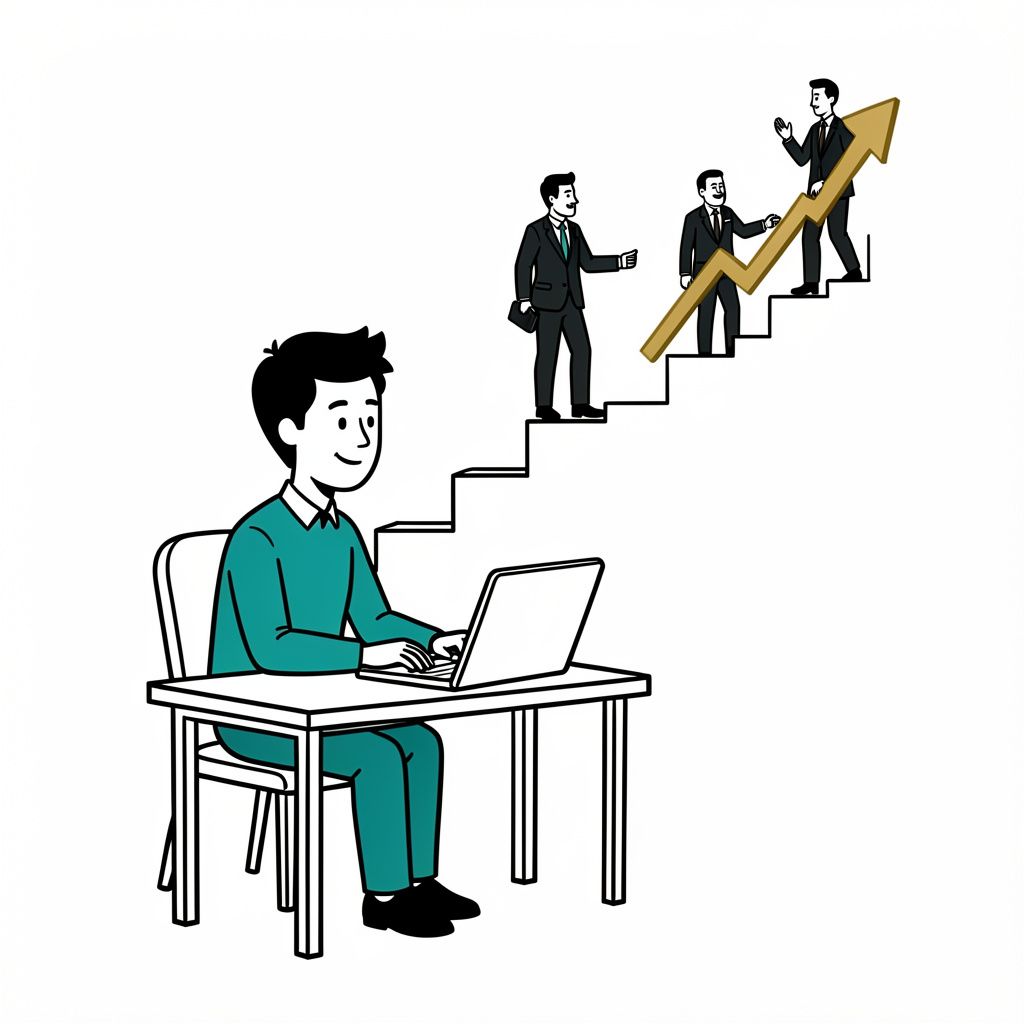
In June 2026, a Harvard expert warned that remote work severely stunts younger professionals’ career growth by depriving them of crucial in-person mentorship and observational learning needed for success.
The Mentorship Penalty
The current corporate landscape as of June 2026 presents a complex challenge for early-career professionals. A Federal Reserve Bank of New York report published this month pinpoints remote work as a primary driver behind a recent surge in youth unemployment [1]. Furthermore, an updated June 2026 National Bureau of Economic Research (NBER) paper confirms that decentralized work environments severely restrict feedback and career advancement for younger staff [1]. Without the physical office, early-career professionals miss out on learning by osmosis—the quiet observation of how senior colleagues navigate conflict, run meetings, and make decisions [1].
Financial Realities and The Shrinking Switcher Premium
While the lack of mentorship presents a long-term developmental risk, the immediate financial landscape for Gen Z is also shifting rapidly. According to a May 28, 2026, report by the Bank of America Institute, young professionals who change employers still see financial benefits, though the premium is shrinking [6]. In the first quarter of 2026, Gen Z workers who switched companies achieved roughly four times the wage growth of those who stayed [6]. However, this “switcher premium” has plummeted by approximately 20 percentage points since 2022, marking the narrowest gap between job-switchers and stayers since 2019 [6].
The Generational Divide and Digital Identity
The remote work dilemma extends beyond Gen Z, actively threatening the job security of Millennials now in their thirties. Having spent their formative career-building years navigating pandemic lockdowns, many thirty-somethings failed to develop essential in-person collaboration and soft skills [5]. Consequently, employers are increasingly terminating workers in this demographic for an inability to function effectively within a team, a vulnerability compounded by a lack of artificial intelligence proficiency compared to their AI-native Gen Z counterparts [5]. The weakening of workplace connections due to remote work has also left these employees without internal advocates during headcount cuts [5].