Judge Challenges Move to Block Letitia James in Cornell Assault Case
New York, Friday, 30 October 2026.
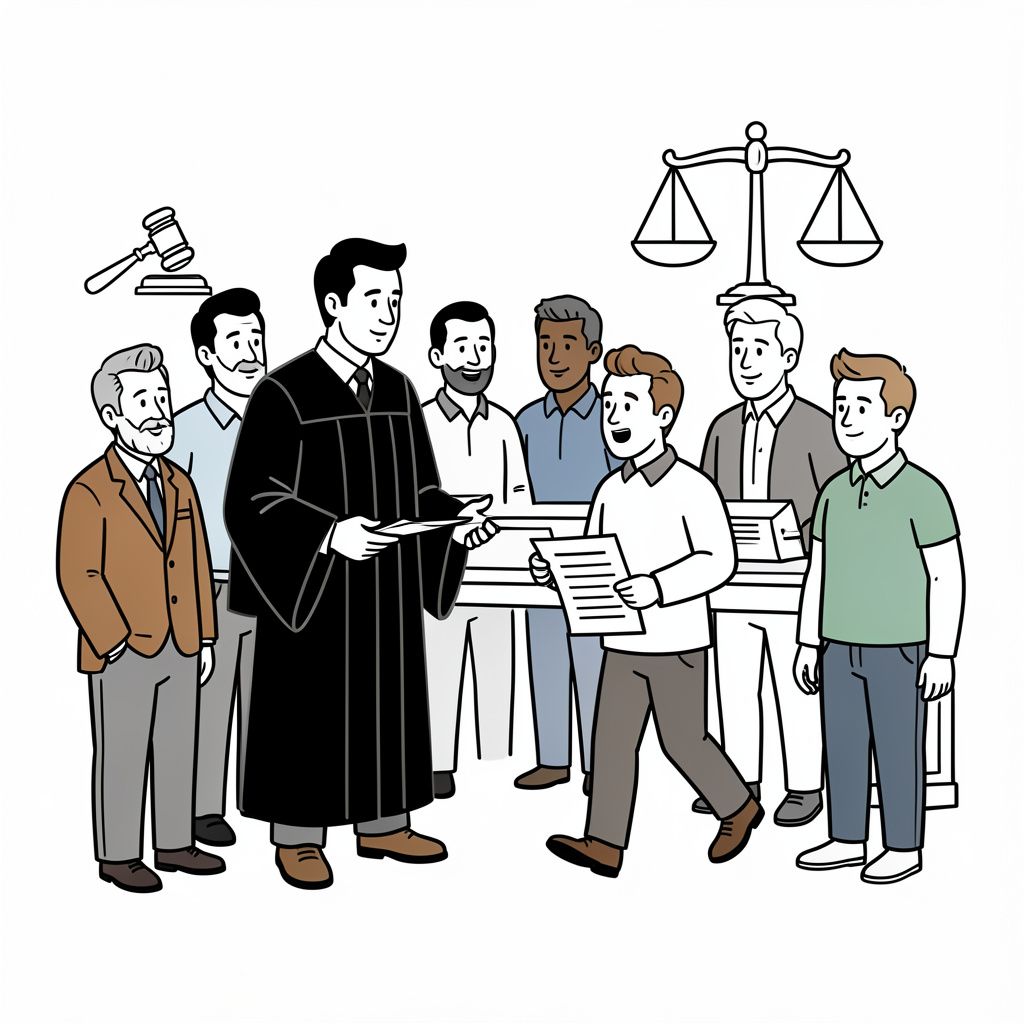
A New York judge questioned disqualifying Attorney General Letitia James over alleged social media bias, noting only one of seven accused men joined the petition to remove her.
Legal Battle Over Prosecutorial Impartiality
The legal confrontation centers on whether New York Attorney General Letitia James (D), a Democrat, should be disqualified from overseeing the Cornell University sexual assault investigation due to public statements she made prior to her appointment. Defense attorneys for Gillio Lopes, one of seven men accused in the case, argue that James’s social media posts expressing sympathy for the alleged victim demonstrate a presumption of guilt and preclude her from acting as an impartial prosecutor. The petition filed by Lopes’ legal team on 7 October 2026 seeks to remove James from the case, citing ethical concerns about her prior public remarks. [1][3][5][8][10]
Judge’s Skepticism and the Joinder Problem
During a hearing on 22 October 2026 in Monticello, New York, State Supreme Court Justice James R. Farrell openly questioned the legal strategy behind the disqualification bid. The judge highlighted a critical procedural flaw: only one of the seven accused men, Gillio Lopes, had joined the petition to remove James, raising concerns about fairness and the potential for inconsistent legal representation. Justice Farrell’s pointed remarks underscored the dilemma: if James were removed solely for Lopes’ case, the remaining six defendants would still be subject to her oversight in the same investigation. [1][3][5][8][10]
Executive Intervention and Political Context
The controversy escalated after New York Governor Kathy Hochul, a fellow Democrat, issued an executive order on 1 October 2026 removing Tompkins County District Attorney Matthew Van Houten from the case and appointing Letitia James as special prosecutor. Hochul’s decision followed public pressure and James’s own social media statements on 28 September 2026, in which she described the allegations as “horrific and unacceptable” and expressed solidarity with survivors. Critics, including defense attorney Andrew Miltenberg, argue that such preemptive public statements by a prosecutor undermine the presumption of innocence and create an appearance of bias. [1][3][4][5][7][8][10]
Timeline of Events and Pending Decisions
The alleged assault occurred in October 2024 at Cornell University’s Chi Phi fraternity house, where Jane Doe, a former student, filed a civil lawsuit in September 2026 alleging gang rape after being pressured into consuming ketamine and alcohol. James’s appointment as special prosecutor came on 1 October 2026, and since then, defense teams have filed multiple petitions challenging her impartiality. Justice Farrell has set a deadline of 5 November 2026 for Lopes’ attorneys to submit additional arguments regarding the positions of the other six defendants. A separate sealed matter involving co-defendant Winston Lee is scheduled for decision on 13 November 2026. [1][3][5][8][10]
Broader Implications for Prosecutorial Ethics
This case has ignited a broader debate over the ethical boundaries of prosecutorial speech and the limits of executive authority in high-profile investigations. Legal experts note that while prosecutors are generally permitted to make public statements, such comments—particularly those expressing sympathy for a victim—can create risks of perceived bias, especially in cases involving public outrage or media scrutiny. The New York Attorney General’s office has defended James’s appointment, asserting that her office is committed to conducting the investigation solely on the basis of facts, evidence, and the law. Assistant Attorney General Kaitlin Vigars argued before the court that public statements alone are insufficient grounds for disqualification unless actual prejudice is demonstrated. [1][3][5][6][8][10]
Sources
- www.cnn.com
- www.yahoo.com
- apnews.com
- www.wbaltv.com
- www.facebook.com
- www.nbcnews.com
- www.ksl.com
- www.washingtonpost.com