Colombia's Pereira Airport Relocates Passenger Terminal to Resume Flights After Earthquake
Pereira, Sunday, 23 August 2026.
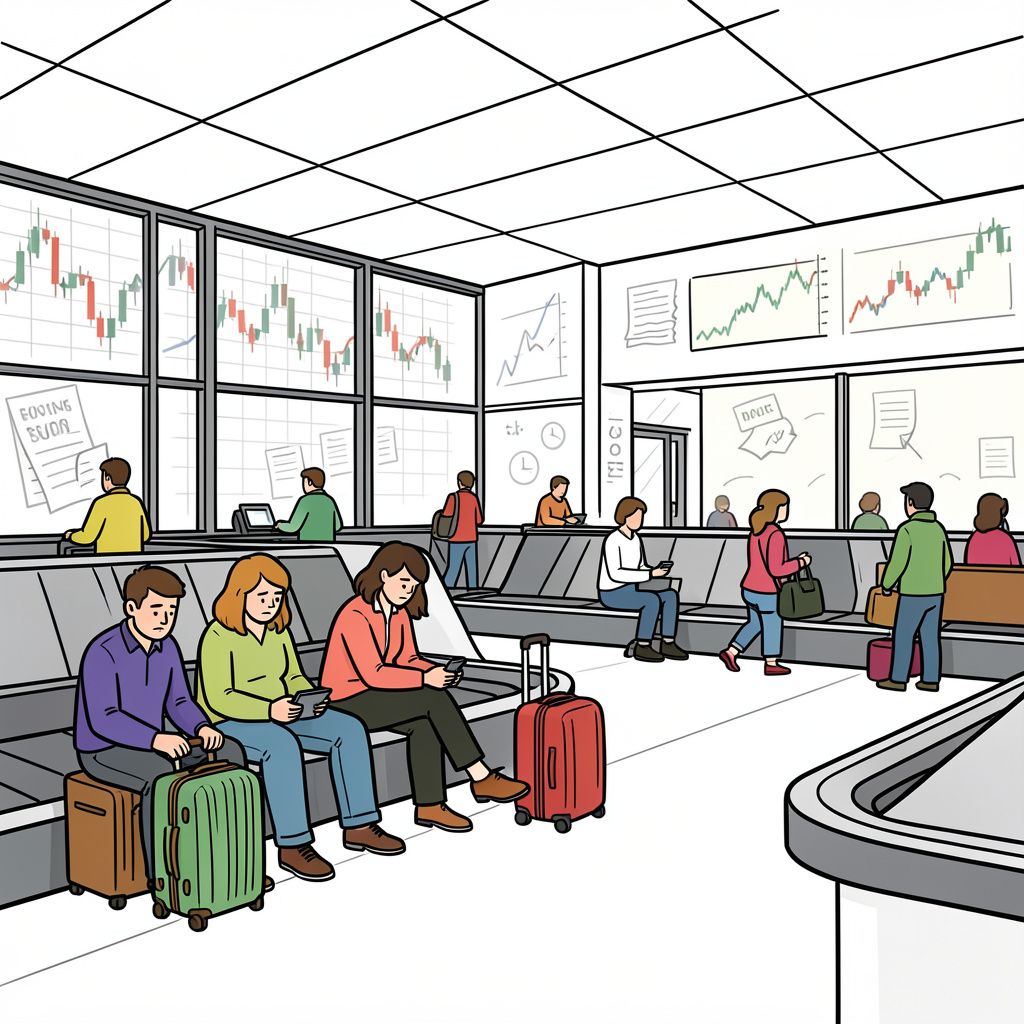
Following structural damage from the August 10, 2026 earthquake, Matecaña International Airport in Pereira is restructuring operations to restore regional connectivity. To resume limited commercial service, the airport is temporarily moving passenger waiting areas directly next to baggage claim belts on the first floor, reducing daily capacity from 60 flights to just 14.
Authorization Amidst Uncertainty
Matecaña International Airport in Pereira has secured official authorization from the Aeronáutica Civil (Aerocivil) to resume commercial flight operations following structural assessments prompted by the August 10, 2026 earthquake [1][4]. While the regulatory body granted permission as of August 20, 2026, the actual resumption of scheduled flights remains pending logistical coordination with commercial airlines [1][2]. Airport administration confirms direct communication is underway to manage operational logistics and rearrange affected itineraries, though a definitive date for full service restoration remains unspecified as of August 23, 2026 [1][2][alert! ‘Specific resumption date pending airline coordination’].
Authorization Amidst Uncertainty
The suspension of commercial passenger operations began immediately following the seismic event on August 10, 2026, which impacted six air terminals across the region [2][3]. During the closure, the airport infrastructure continued to facilitate special operations, specifically serving as a critical entry point for international humanitarian aid flights [2][3]. This distinction highlights the structural integrity of the runway and control tower, which remained sound despite damage to the passenger terminal facilities [2][3].
Operational Constraints and Layout
To accommodate the reopening, the airport is implementing a temporary operational scheme restricted to the first floor of the terminal building [2][4]. Passenger processing will be consolidated into two temporary waiting rooms located adjacent to the baggage claim conveyor belts, a reduction from the six reception halls available prior to the earthquake [3][4]. Airport Manager Luis Fernando Collazos acknowledged the inconvenience, stating this configuration is the only viable method to restore service while ensuring safety [3][4].
Operational Constraints and Layout
Daily flight capacity will undergo a significant reduction to manage the constrained infrastructure and ensure safety protocols are met [4]. Operational volume is scheduled to decrease from approximately 60 daily flights to a restricted program of 14 flights per day, representing a 76.667 decrease in daily capacity [4]. Initial recovery plans prioritize domestic routes to Bogotá and international connections to Panama, utilizing the reduced terminal footprint [2][3].
Timeline and Economic Implications
The restoration of air connectivity is critical for the Coffee Triangle region, impacting tourism, commerce, and hotel sectors across Risaralda, Caldas, Quindío, and northern Valle del Cauca [4]. While the runway remains operational, the uncertainty surrounding the full commercial schedule poses challenges for regional supply chains and commercial aviation logistics [1][4]. Passengers are advised to contact their respective airlines for real-time status updates regarding cancellations or rescheduling options [3][4].
Timeline and Economic Implications
Long-term recovery analysis suggests that the full economic recuperation for Pereira following the earthquake could extend over a period nearing five years [2]. As of August 23, 2026, the focus remains on the immediate stabilization of air transport links to minimize extended economic disruptions [1][2]. The airport administration continues to work in an articulated manner with authorities to restore service in an organized and efficient manner for all users [1].