NASCAR's Youngest Prodigy Secures Historic Ride for 2027
Charlotte, Wednesday, 17 June 2026.
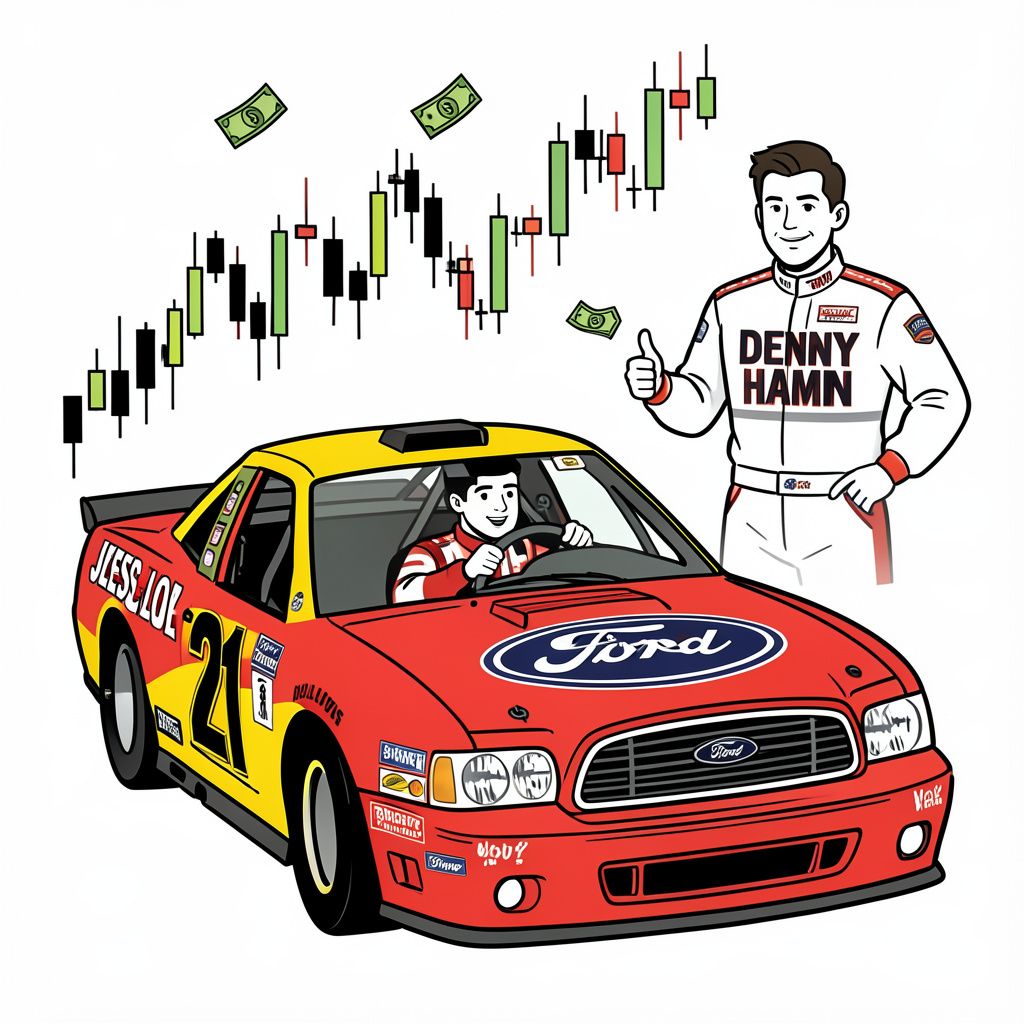
At just 20 years old, Jesse Love will make history as the youngest full-time driver in NASCAR’s Cup Series, taking the wheel of the iconic No. 21 Ford for Wood Brothers Racing in 2027. This bold move, praised by industry veterans like Denny Hamlin, signals NASCAR’s shift toward nurturing young talent amid fierce competition from other motorsports. Love’s transition from the Xfinity Series to one of NASCAR’s most storied teams could redefine the sport’s future, but skepticism lingers about Ford’s competitiveness in recent seasons.
A Historic Move: Love Joins Wood Brothers Racing
NASCAR has officially confirmed that 20-year-old Jesse Love will join Wood Brothers Racing as the full-time driver of the iconic No. 21 Ford for the 2027 Cup Series season [2]. This announcement, made on June 17, 2026, marks a significant milestone in Love’s career, as he transitions from the Xfinity Series to NASCAR’s premier division at an unprecedented young age [2]. Love, who clinched the 2025 NASCAR O’Reilly Auto Parts Series championship, will replace Harrison Burton in the No. 21 car, a seat steeped in history and tradition within the sport [2]. The Wood Brothers, one of NASCAR’s most storied teams with a legacy dating back to 1950, are placing their faith in Love’s potential to restore their competitiveness in the Cup Series [GPT].
Industry Reactions: Praise and Skepticism
The announcement has elicited a mix of praise and skepticism from industry insiders. Denny Hamlin, a three-time Cup Series champion, has publicly lauded Love’s readiness for the Cup Series, citing his consistent performance and maturity despite his young age [1]. Hamlin’s endorsement underscores the confidence that key figures in NASCAR have in Love’s ability to handle the pressures of the sport’s top tier [1]. However, not all reactions have been uniformly positive. Social media commentary has highlighted concerns about Ford’s recent competitiveness in the Cup Series. One Instagram user noted, ‘the 21 has not been truly competitive since Ryan Blaney in 2017,’ suggesting that Love may face an uphill battle in a car that has struggled to keep pace with rivals in recent seasons [3]. This skepticism reflects broader anxieties about Ford’s performance and whether the manufacturer can provide Love with a competitive package [3].
The Road to 2027: Speculation and Strategic Moves
The confirmation of Love’s move to Wood Brothers Racing ends months of speculation about his future in NASCAR. Rumors had swirled about potential alternatives, including a high-profile shift to Team Penske, where Love could have taken over the No. 2 car while Austin Cindric moved to the No. 21 [1]. However, the Wood Brothers ultimately secured Love’s signature, a decision that reflects NASCAR’s broader strategy of cultivating young talent to engage a new generation of fans [2]. This focus on youth comes as the sport faces increasing competition from other motorsports and shifting demographics among its fanbase [GPT]. The move also raises questions about the futures of other drivers, such as Austin Hill, whose continuation in the RCR No. 33 car beyond 2026 remains uncertain [1]. Additionally, speculation persists about Noah Gragson’s potential departure, with Josh Berry mentioned as a possible candidate for a seat at Front Row Motorsports [1].
Challenges Ahead: Can Love Revitalize the No. 21?
While Love’s signing is a bold statement of intent from Wood Brothers Racing, the road ahead is fraught with challenges. The No. 21 car has struggled to replicate the success it enjoyed with Ryan Blaney, who last drove the car full-time in 2017 before moving to Team Penske [3]. Since then, the team has faced difficulties in maintaining competitiveness, a trend that mirrors broader struggles within the Ford camp in recent seasons [3]. Critics argue that Love’s talent, while undeniable, may not be enough to overcome the limitations of the current Ford package, which has lagged behind competitors like Chevrolet and Toyota in terms of performance and innovation [3]. Additionally, Love’s age and relative inexperience at the Cup Series level could pose challenges as he adapts to the heightened demands of NASCAR’s premier division [alert! ‘No specific performance data available for Love in Cup Series races’]. Despite these hurdles, the Wood Brothers’ decision underscores their commitment to rebuilding the No. 21 into a championship-contending team, with Love as the cornerstone of their long-term strategy [2].