Uganda Border Closure Triggers Severe Trade Losses Amid New Ebola Outbreak
Kampala, Sunday, 7 June 2026.
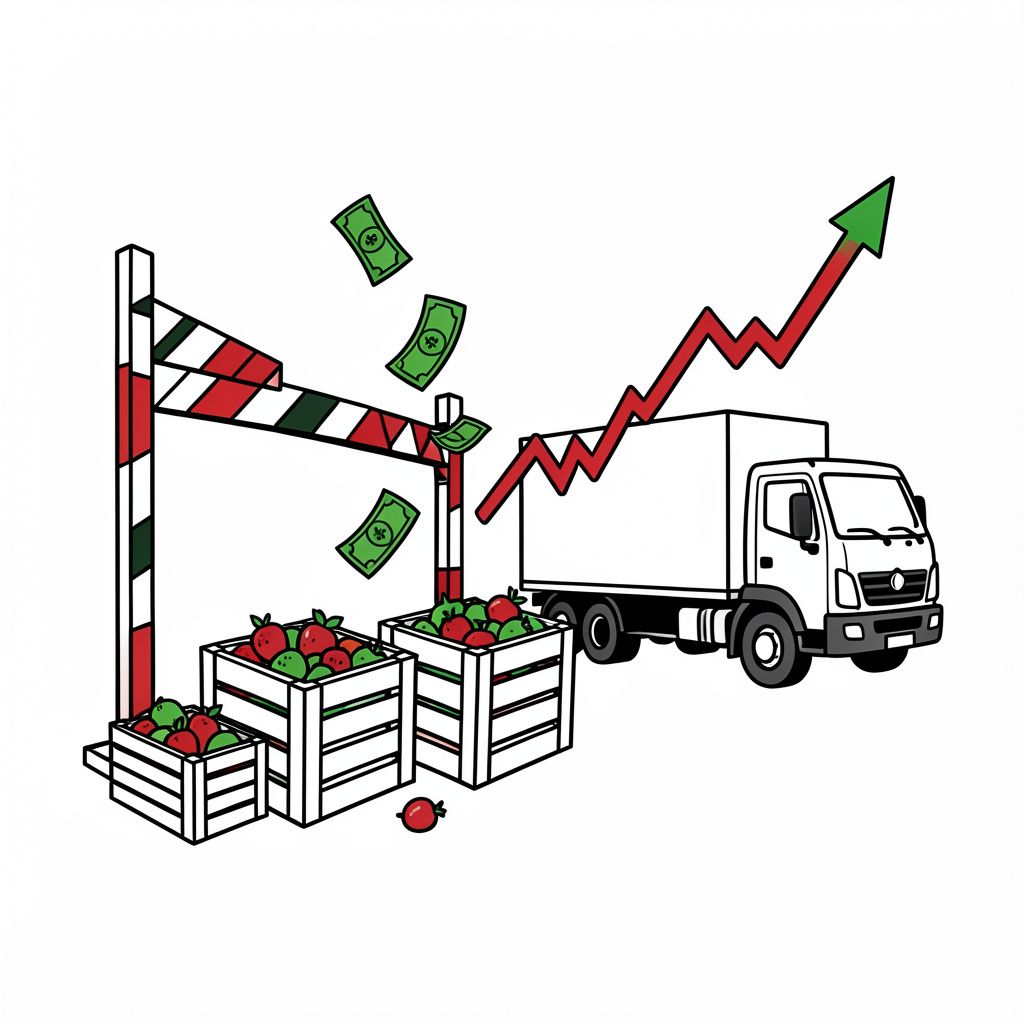
Uganda’s abrupt June 2026 border closure to contain a complex new Ebola strain has severed DRC supply chains, causing severe financial losses for traders with stranded, spoiling goods.
A Deepening Crisis Meets Global Intervention
The economic paralysis gripping the Uganda-Democratic Republic of Congo (DRC) border is unfolding just days before the highly anticipated 2026 World Cup [GPT]. Recognizing the severe threat to global travel and trade, Washington recently allocated a $38 million funding package aimed at containing the escalating Central African Ebola outbreak [1]. However, despite this international financial injection, the reality on the ground has rapidly deteriorated. Ugandan authorities have been forced to drastically tighten border controls with the DRC to prevent the contagion from spreading into their territory [4]. Medical professionals operating within the DRC warn that they are battling a novel strain of the virus, a situation severely complicated by ongoing regional warfare and a critical lack of medical tools [2].
The Economic Toll of Stringent Health Protocols
While the border closure halts major commercial freight, the movement of essential personnel is now subject to rigorous and time-consuming medical scrutiny. Temporary health clinics have been erected at the Mpondwe crossing, where health workers are mandating temperature checks and strict handwashing protocols for anyone attempting to traverse the border [3]. These necessary public health measures inherently slow down transit times to a crawl, creating friction that drives up logistical costs [GPT]. Furthermore, doctors on the ground note that recent cuts to foreign aid have actively increased the danger of the outbreak, limiting the resources available to establish more efficient, high-volume screening facilities [2].
Vulnerabilities in Global Supply Chains
As the current crisis escalates, the Ministry of Health has actively pivoted to digital public health campaigns, urging citizens across social media platforms to protect themselves and their families as part of the broader effort to fight Ebola in 2026 [6]. For global investors and multinational corporations, the images of stranded cargo trucks and temporary border clinics serve as a stark reminder of the persistent vulnerabilities inherent in emerging market supply chains [GPT]. When novel viral strains intersect with geopolitical instability and reduced foreign aid [2], the resulting border closures do more than halt the spread of disease—they sever the vital economic lifelines that sustain regional prosperity [GPT].