The Data-Driven Strategy Behind the Jets' Draft Trade with Detroit
New York, Saturday, 25 April 2026.
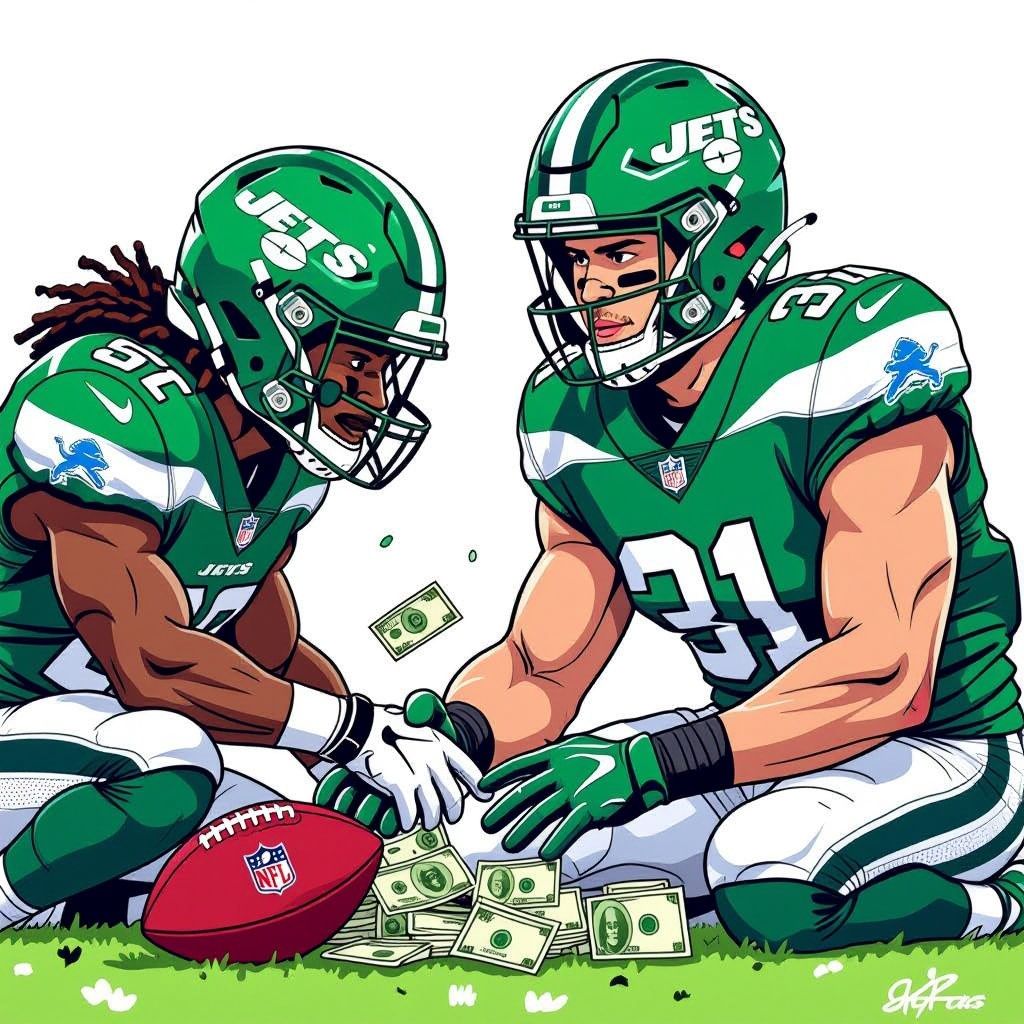
The Jets’ recent trade with Detroit highlights how NFL front offices now rely on quantitative analysis to maximize draft capital, ensuring long-term roster competitiveness and effective salary cap management.
Accumulating Draft Capital Through Calculated Moves
The mechanics of the New York Jets’ recent draft maneuvers illustrate a textbook approach to asset accumulation. Ahead of the 2026 NFL Draft, analysts reported on April 21 that the Jets were expected to be highly active in the trade market [6]. This forecast materialized when General Manager Darren Mougey executed a strategic trade down with the Detroit Lions [1]. The Jets sent the 44th overall selection in the second round to Detroit in exchange for the 50th overall pick and an additional fourth-round selection, the 128th overall pick [1][2]. By moving back just 6 spots in the draft order, the Jets effectively purchased an additional lottery ticket in the middle rounds, expanding their total draft class [1].
Talent Acquisition and Risk Diversification
The tangible results of this asset allocation became clear as the second round progressed [alert! ‘Sources provide conflicting dates for the second round, with one citing April 23 and another April 24; the sequence of picks remains consistent regardless of the exact day’]. With the 44th overall pick acquired from New York, the Detroit Lions selected Derrick Moore, an EDGE rusher out of the University of Michigan [3]. Moore represents a premium athletic investment, weighing in at 116 kilograms and boasting a collegiate resume that includes 21 sacks, 24.5 tackles for loss, and a first-team All-Big Ten selection in 2025 [5]. By securing Moore, the Lions consolidated their capital for a targeted, high-impact acquisition [3][5].
Broader Market Dynamics in the 2026 Draft
The trade with Detroit was part of a broader, dynamic trading strategy employed by Mougey and the Jets’ front office. Earlier in the draft, the Jets demonstrated a willingness to consolidate assets when a high-conviction target was available. They moved up into the first round to the 30th overall spot, sending the 33rd and 179th selections to the San Francisco 49ers to draft National Champion wide receiver Omar Cooper Jr., also from Indiana [1][2]. The 49ers subsequently used the 33rd overall pick on De’Zhaun Stribling on April 24 [4]. This dual approach—trading up for premium offensive talent and trading down to replenish defensive and depth assets—highlights the sophisticated, data-driven methodologies modern NFL franchises use to navigate the complex market of the draft [GPT].
Sources
- www.newyorkjets.com
- www.ganggreennation.com
- www.nfl.com
- www.49ers.com
- www.nbcsportsphiladelphia.com
- www.nfl.com