US Poised to Authorize Expanded Oil Production in Venezuela This Week
Washington D.C., Wednesday, 4 February 2026.
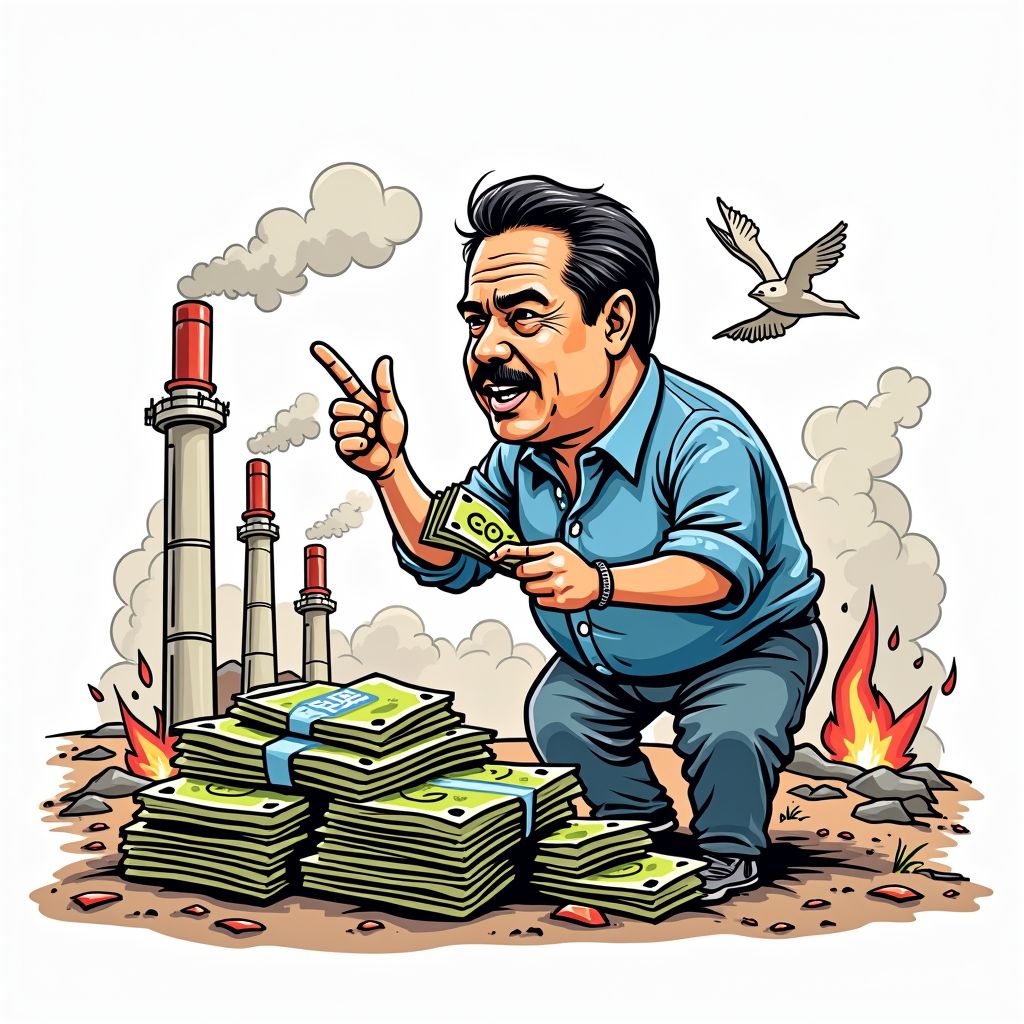
Following President Maduro’s capture, the U.S. prepares to authorize oil production this week, targeting $100 billion in investments to revive the OPEC nation’s crippled energy infrastructure.
Opening the Taps
The United States is moving aggressively to dismantle the sanctions architecture that has long crippled Venezuela’s energy sector. Administration officials are finalizing a general license, expected as early as this week, that will authorize companies to engage in oil and gas production in the South American nation [1][2]. This pivotal regulatory shift follows the January 3 capture of former President Nicolás Maduro by U.S. forces [1] and aims to stabilize the country’s economy by reviving its primary revenue stream. The new license complements a directive issued yesterday, February 3, by the Treasury Department, which authorized the export of U.S. diluents to Venezuela—a critical component needed to process the country’s heavy crude into exportable grades [6].
The $100 Billion Gamble
President Trump has set a high bar for the industry, pressuring U.S. oil firms to invest $100 billion to restore Venezuela’s energy infrastructure to its historic capacity [1]. White House spokeswoman Taylor Rogers confirmed that the administration is “working around the clock” to facilitate these investments [5]. However, the industry’s response has been polarized. Chevron CEO Mike Wirth indicated his company could ramp up production by 50% within 18 to 24 months, building on its current output of 250,000 barrels per day (bpd) [2]. Conversely, ExxonMobil CEO Darren Woods reportedly told President Trump during a January 9 meeting that Venezuela remains “uninvestable” under current conditions, citing the need for robust legal reforms [2]. Addressing these concerns, the Venezuelan government approved a sweeping reform package last week designed to grant foreign producers greater autonomy and lower taxes [1].
Reviving a Moribund Giant
The scale of the recovery challenge is immense. While Venezuela sits on the world’s largest proven oil reserves—estimated at 303 billion barrels [5]—production has plummeted to less than 1 million bpd from a peak of roughly 3 million bpd [1]. As of December, only two drilling rigs were active in the entire country [1]. Yet, the market is already reacting to the shifting political landscape. Oil exports surged to approximately 800,000 bpd in January 2026, a dramatic increase of 60.643% from the 498,000 bpd recorded in December [1]. To sustain this momentum, the Treasury’s Office of Foreign Assets Control (OFAC) issued General License 46 on January 29, which allows established U.S. entities to handle the lifting, refining, and transport of Venezuelan oil, provided payments are directed into monitored accounts [7][8].
Sources
- www.reuters.com
- www.cnbc.com
- www.bloomberg.com
- www.reuters.com
- thehill.com
- www.reuters.com
- www.thompsonhinesmartrade.com
- www.torrestradelaw.com