How China's Rare Earth Monopoly is Reshaping the Global AI Industry
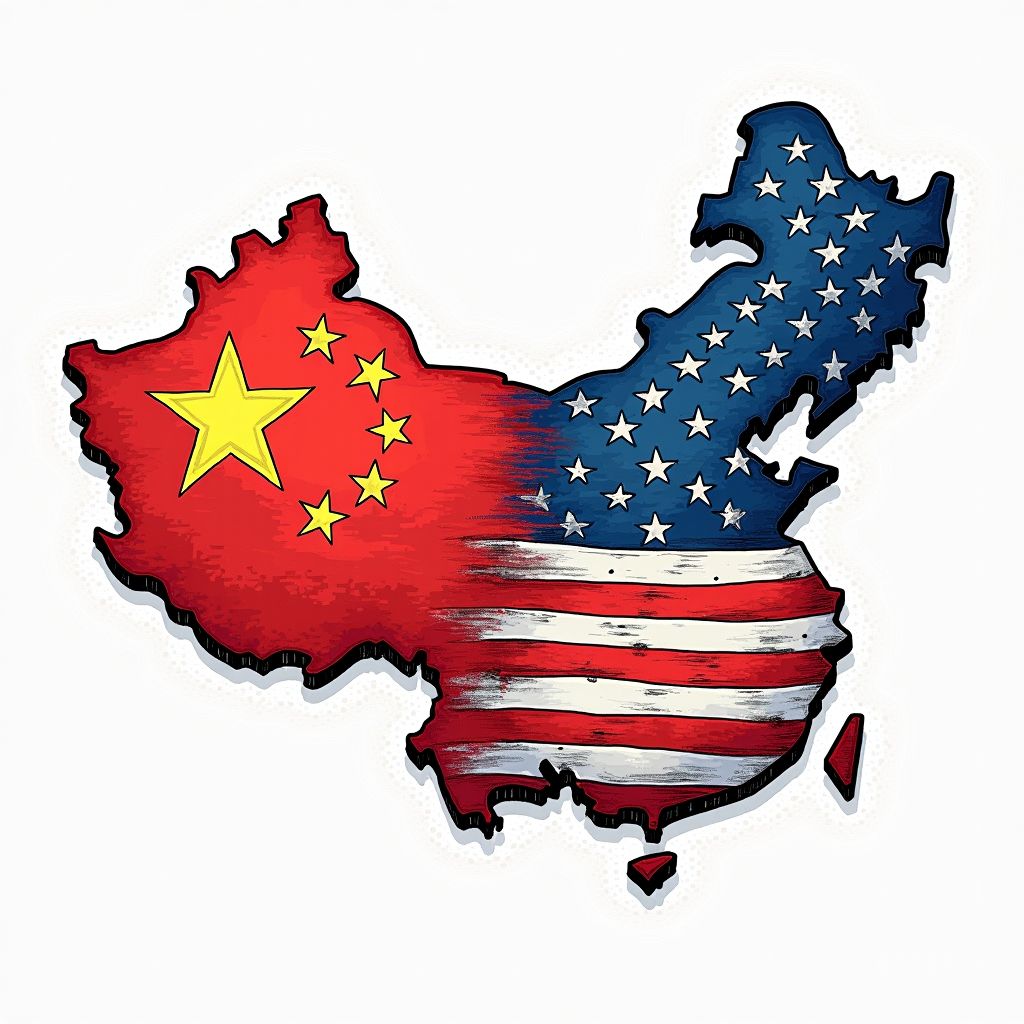
Beijing, Tuesday, 10 March 2026.
Controlling 90% of processed rare earths, China is strategically reshaping global AI hardware supply chains in 2026, exposing critical vulnerabilities for United States technology firms.
The Physical Constraints of Artificial Intelligence
The explosive growth of generative artificial intelligence has catalyzed a massive expansion in global technology infrastructure, fundamentally linking software innovation to physical industrial capacity [1][3]. In 2025, global semiconductor sales reached approximately $795.6 billion, representing a 26.2% year-on-year increase driven largely by data centers and AI systems [1]. To support this computational appetite, capital expenditures from the top eight cloud service providers are projected to exceed $710 billion in 2026, an increase of approximately 61% from the previous year [6]. Alphabet alone is expected to increase its capital expenditure by 95% to over $178.3 billion [6].