Cladding Manufacturer Paid Shareholders $31 Million More Than Grenfell Fire Victims
London, Tuesday, 18 August 2026.
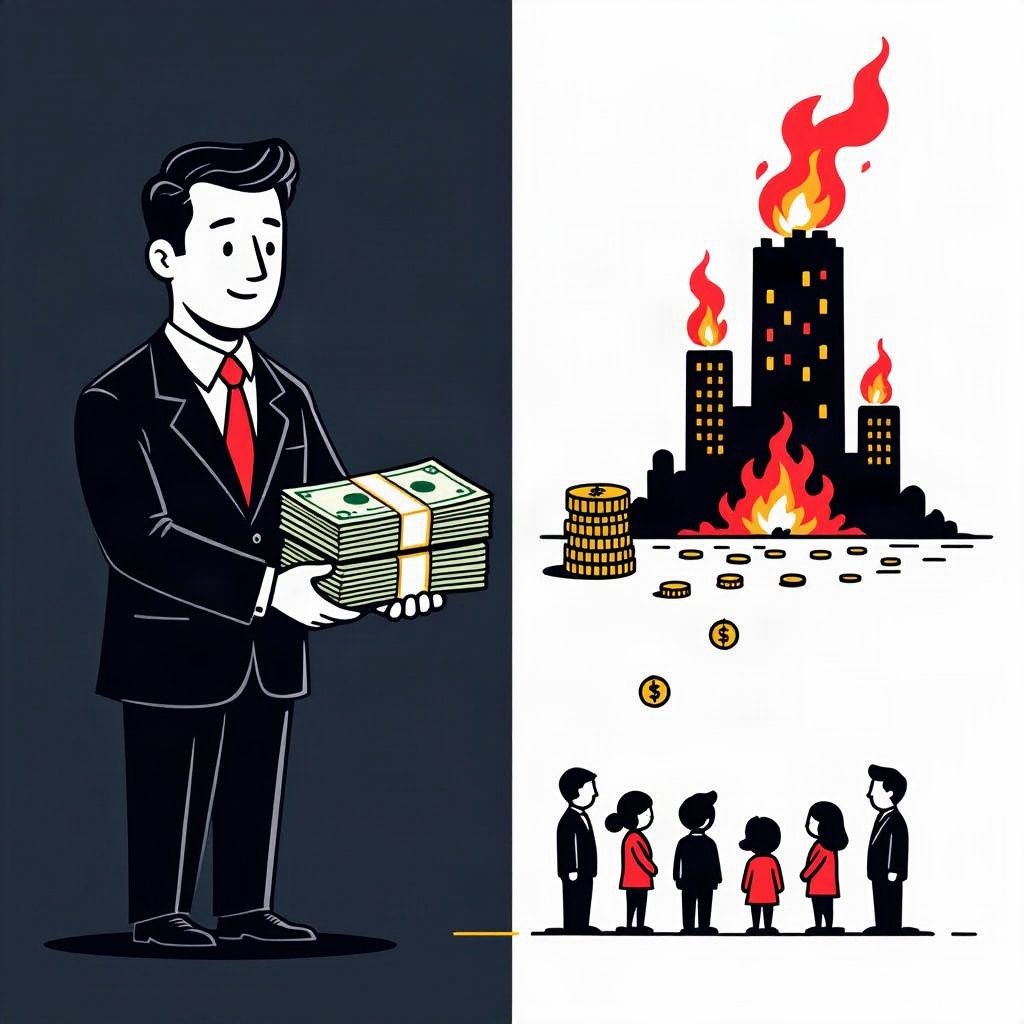
Cladding manufacturer Arconic distributed $74 million to shareholders following the 2017 Grenfell Tower fire, compared to $43 million allocated to the estates of the 72 victims and survivors. A report by think tank Common Wealth and investigative group FIND reveals a profound imbalance in legal accountability, noting that insurers covered all but $2 million of the firm’s total payouts. Despite its combustible cladding causing rapid fire propagation, Arconic has provided no evidence of attempting to trace the remaining 12.75 million square meters of the product sold globally over two decades. The report calls for sweeping legal reforms in England and Wales, recommending that courts receive the authority to redirect shareholder recoveries into victim funds and levy punitive damages to cover the public cost of safety remediation.
Disparity in Compensation and Insurance Coverage
The financial breakdown reveals that Arconic distributed $74 million to shareholders for economic losses following the June 2017 fire, while victim estates received $43 million [1][2][3]. This allocation results in a disparity of 31 million, favoring shareholders over the bereaved families and survivors of the disaster [2][3]. Insurance providers covered all but $2 million of the total $117 million paid out, shielding the corporation from the full brunt of the financial liability [1][3]. Despite the severity of the incident, which claimed 72 lives including 18 children, no criminal charges have been brought against any individuals or companies by the Metropolitan Police as of August 2026 [1][3]. This lack of prosecution underscores the report’s assertion of a near-total failure in legal mechanisms to hold corporations accountable for such disasters [1][2].
Global Sales and Untraced Material Risks
Investigative findings indicate that Arconic sold approximately 12.75 million square meters of the Reynobond PE product globally over a period of at least 20 years prior to the fire [1][2]. The specific cladding used on Grenfell Tower accounted for less than 1% of Arconic’s annual Reynobond sales at the time, yet the company has provided no evidence of attempting to trace the remaining material sold worldwide [1][3]. This lack of tracing persists despite the known combustibility of the polyethylene-core cladding which caused rapid fire propagation during the incident [2][3]. The report alleges that Arconic deliberately and dishonestly concealed the dangers of the cladding, raising concerns about similar risks in buildings globally where the material remains installed [1][2].
Calls for Legislative Reform and Public Cost Recovery
In response to these findings, the report by Common Wealth and FIND urges for stronger corporate accountability laws in England and Wales, including the power to redirect shareholder settlement recoveries to victim funds [1][3]. Researchers suggest that an order of punitive damages against Arconic could cover the £5.1 billion committed by the UK government for cladding removal, potentially at no public cost [1][2]. Grenfell United representatives stated that corporate structures have allowed those responsible to move on while the community continues to live with the consequences [1][3]. The report recommends that Arconic be debarred from public contracts in England until it publicly discloses the locations where the remaining dangerous cladding material was sold [1][2].