IPC Rules Ukraine’s National Map Design 'Political' Ahead of Winter Games
Milan, Tuesday, 3 March 2026.
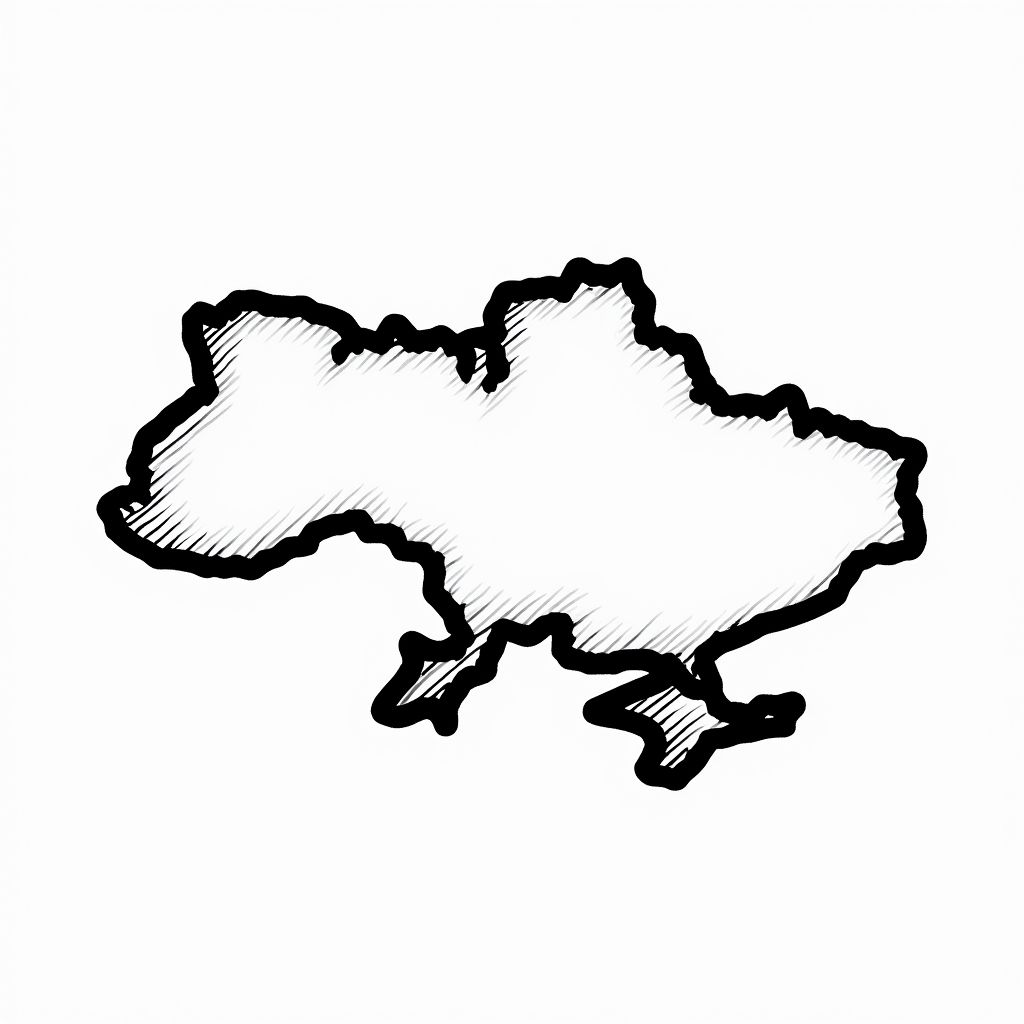
The International Paralympic Committee has barred Ukraine’s team from wearing uniforms displaying the country’s internationally recognized borders, classifying the map as “political” and forcing a redesign days before the 2026 Winter Games.
Strict Neutrality Meets Sovereign Borders
On March 2, just days before the opening of the 2026 Winter Paralympics, National Paralympic Committee of Ukraine President Valerii Sushkevych confirmed the disqualification of the team’s ceremonial attire [1][5]. The controversy centers on the inclusion of a map depicting Ukraine’s internationally recognized borders, which encompasses territories currently under temporary occupation [1]. According to Sushkevych, the International Paralympic Committee (IPC) rejected the design on the grounds that it was “political,” invoking regulations that prohibit public or political messages and slogans related to national identity on official uniforms [5]. This decision has forced the Ukrainian delegation to urgently manufacture and transport compliant alternative uniforms to Italy to ensure their 35 athletes—comprising 25 competitors and 10 guides—meet the dress code requirements before the Games commence [3][4].
Symbolism in Design
The rejected uniform was created by Viktor Anisimov, the Ukrainian fashion designer responsible for the team’s attire at the 2024 Summer Paralympics [1][4]. While the previous summer designs incorporated military-inspired accents to acknowledge the country’s defenders, the 2026 winter concept was described by Sushkevych as “more radical” in its symbolism [4]. He noted that the uniform was designed to “shout” that Ukraine exists as a unified entity free from Russian occupation [1]. Following the IPC’s ruling, Ukraine quickly proposed an alternative design, which has since been approved, allowing the team to proceed with their competition schedule [5].
Geopolitical Tensions and Ceremony Boycotts
The dispute over the uniforms unfolds against a backdrop of significant friction regarding the participation of aggressor nations. The IPC confirmed on February 17 that six athletes from Russia and four from Belarus will compete under their national flags at the 2026 Games [1]. This marks the first time since the 2014 Sochi Games that the Russian flag has been authorized for display at the Paralympics [1]. In response to what Ukrainian officials termed a “political maneuver” favoring Russian participation, Ukraine has formally withdrawn from the opening ceremonies scheduled for March 6 [5]. While the delegation will boycott the ceremonial march, they remain committed to competing in the athletic events, which run through March 15 in Milan and Cortina d’Ampezzo [3][5].
Wider Criticisms of Sports Governance
The IPC’s stance has drawn sharp criticism from Ukrainian athletes and officials who view the neutrality enforcement as asymmetrical. Vladyslav Heraskevych, a Ukrainian skeleton racer, publicly condemned the decision as “shameful,” arguing that Ukrainians are forced to fight for their rights in sports arenas simultaneously with the ongoing war [6]. Furthermore, Ukrainian officials have pointed out that the IPC allocated the largest number of slots to Russia, despite requests from other nations to develop their own winter Paralympic programs [5]. This sequence of events highlights the deepening rift between international sports governance bodies attempting to maintain political neutrality and nations insisting that sovereignty and human rights cannot be decoupled from athletic representation.
Sources
- kyivindependent.com
- www.kyivpost.com
- newsukraine.rbc.ua
- mezha.net
- united24media.com
- www.instagram.com