Detroit Auto Show 2026 Highlights Economic Impact and Strategic Industry Shifts
Detroit, Wednesday, 14 January 2026.
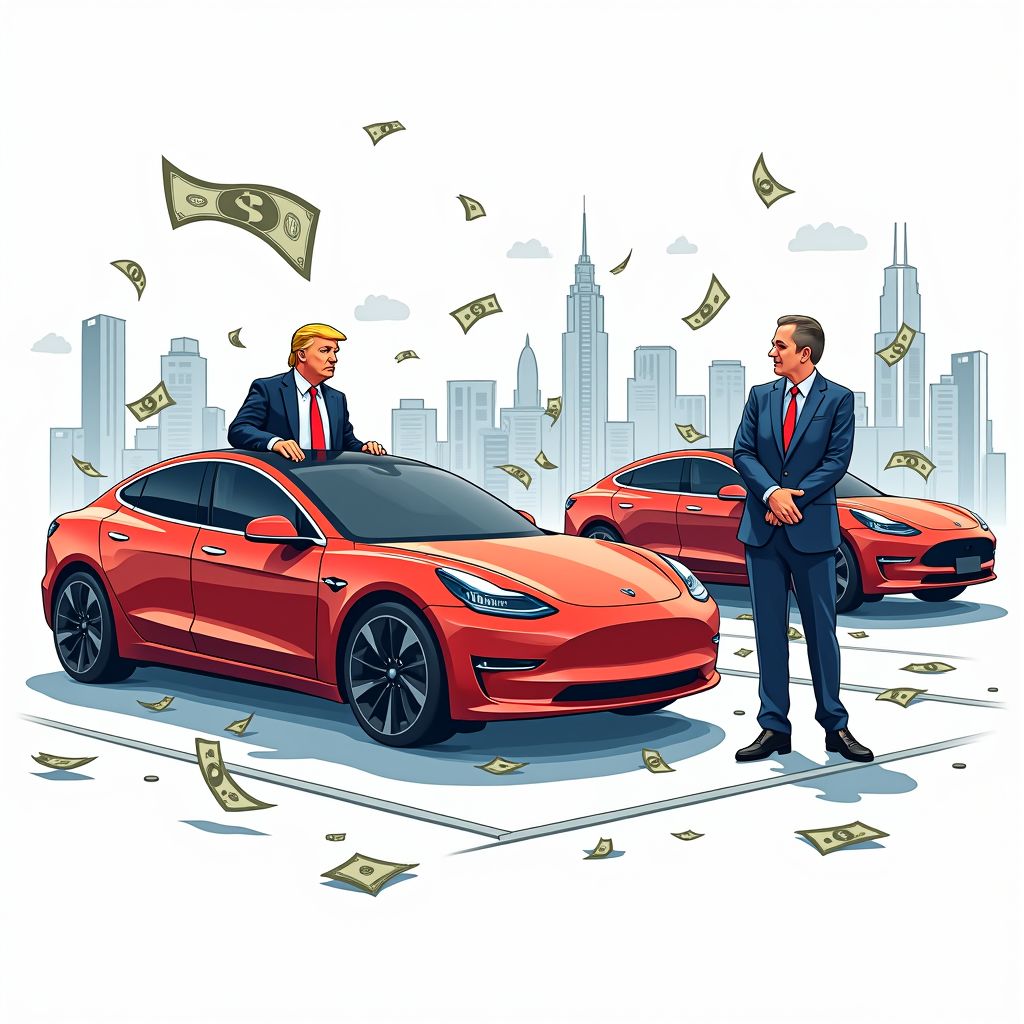
The 2026 North American International Auto Show opens today, serving as a crucial economic driver that has contributed an estimated $5 billion to Detroit over the past two decades. While President Trump’s attendance underscores the political stakes of manufacturing and trade, the event is defined by a pivot toward interactive consumer experiences. As automakers showcase new electric and hybrid models, the show is projected to match or exceed last year’s $370 million local economic injection, offering a tangible outlook on the industry’s financial and strategic future.
Economic Engine and Structural Evolution
The return of the Detroit Auto Show to its traditional January slot represents a significant financial catalyst for the region, with the event historically generating an estimated $5 billion in economic impact over the last two decades [1]. Following a turnout of approximately 275,000 attendees last year, which injected roughly $370 million into the local economy, organizers anticipate similar engagement as crowds descend on the city [1]. However, the 2026 iteration reflects a profound shift in industry strategy; automakers have moved away from static, splashy debuts in favor of dynamic consumer engagement [4]. Show Chairman Todd Szott highlights that the event now prioritizes the ability to “experience the vehicles,” a pivot validated by the more than 100,000 ride-alongs conducted during the previous show [4]. This year, attendees at Huntington Place can utilize two distinct tracks for internal combustion, hybrid, and electric vehicles, alongside interactive zones like Camp Jeep and the Ford Bronco “Built Wild Experience” [4][3].
Political Intersection and Policy
The industrial significance of the event was underscored by a high-profile visit from President Donald Trump on Tuesday, January 13 [4]. Prior to the show’s official industry opening, the President toured a Ford Motor Co. (F) plant in Dearborn that manufactures the F-150 pickup truck, subsequently addressing the Detroit Economic Club [4]. His remarks focused heavily on trade policy, specifically touting tariffs as a mechanism for workforce prosperity, stating that the auto industry is “returning to the country where we all began” [4]. This political backdrop sets a complex tone for the event, merging discussions of manufacturing incentives with the technological realities on display.
Strategic Pivots: Racing and Real Estate
Beyond politics, the Big Three are utilizing the week to define their corporate trajectories. Ford (F) is aggressively positioning itself as “America’s racing team,” a vision articulated by CEO Jim Farley during a presentation at the Michigan Central innovation hub on January 13 [2]. The automaker revealed a new Formula 1 hybrid drivetrain developed with Red Bull Racing and a 2027 World Endurance Championship hypercar, signaling a deep integration of motorsport engineering into consumer products [2]. Concurrently, General Motors (GM) has solidified its commitment to downtown Detroit. CEO Mary Barra hosted a media fireside chat on January 12 at the company’s new headquarters in the Hudson’s Detroit building—a site historically significant as the former location of the J.L. Hudson department store [2]. GM is using this venue to showcase its diverse portfolio, including Cadillac and Chevrolet, alongside its Super Cruise hands-free driving technology [2].
Consumer Access and Industry Awards
As the event transitions from industry previews to public access, critical accolades are being distributed. The prestigious North American Car, Truck and Utility of the Year awards are scheduled for announcement today, Wednesday, January 14 [2][4]. Following the industry and media days, the show will open to the public from Saturday, January 17 through Sunday, January 25 [3]. Tickets are priced at $25 for adults, with reduced rates for seniors and children, ensuring broad access to the 40-plus vehicle brands on display [3][4]. For the ultra-luxury segment, the event kicked off with “The Gallery” fundraiser on January 13, where tickets were sold at $250 individually or 200 per person for couples, benefiting the Forgotten Harvest charity [5].