Argentina Legalizes Alternative Nicotine Products to Reform Tobacco Control
Buenos Aires, Wednesday, 12 August 2026.
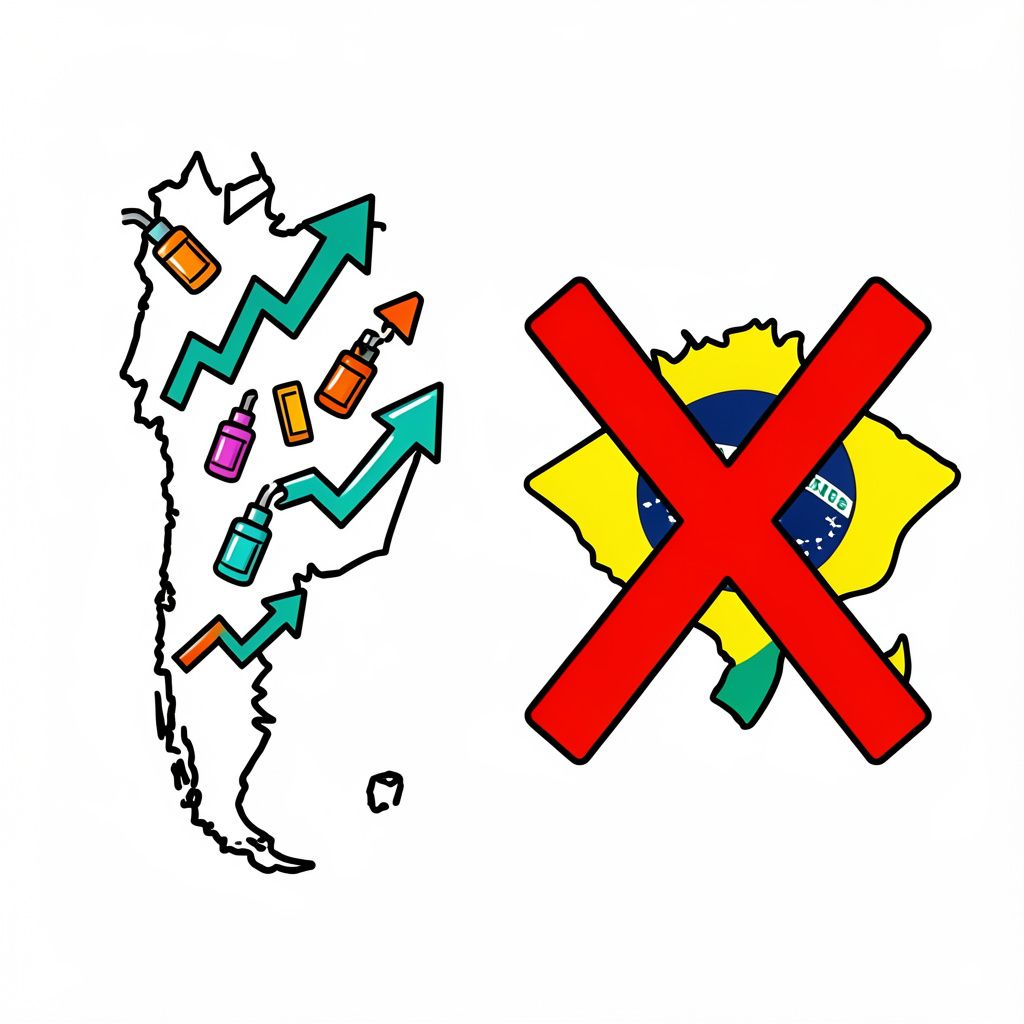
Argentina ended a 15-year ban on alternative nicotine products, adopting risk-based regulations to tackle illegal markets and promote public health, while neighboring Brazil maintains strict prohibitions.
Regulatory Shift Ends 15-Year Prohibition
Argentina has officially ended a 15-year prohibition on innovative nicotine products, marking a significant pivot in public health policy within Latin America [6]. On May 4, 2026, the Ministry of Health officialized Resolution 549/2026, which established a formal framework for the registration and commercialization of electronic cigarettes, heated tobacco, and nicotine pouches [3]. This regulatory change was the focal point of a seminar titled “The Power of Innovation: How Argentina Changed Course and What It Means for the Region,” held in Buenos Aires on August 11, 2026 [1]. Policy advocacy groups Somos Innovación and Fundação Internacional Bases organized the event to highlight the transition from a binary prohibition model to a risk-based regulatory approach [1][5].
Regional Divergence and Market Dynamics
The policy shift creates a stark contrast between Argentina and Brazil, where the sale of innovative nicotine products remains prohibited under ANVISA regulations [1]. While Argentina moves to regulate the market, reports indicate that consumption of these products in Brazil grew from 500,000 to 3 million users despite ongoing bans [1]. Federico N. Fernández, CEO of Somos Innovación, noted that combustible cigarettes remain fully available while safer alternatives were restricted, describing the previous landscape as a legal limbo that fueled informal trade [1][5]. The new Argentine framework aims to provide traceability and safety for consumers who previously relied on the black market [5].
Public Health Strategies and Harm Reduction
Medical experts at the August 11 seminar emphasized harm reduction as a complementary strategy to existing tobacco control policies [3]. Speakers cited Sweden as a successful model, noting the country has achieved a smoking rate of approximately 5% and one of the lowest lung cancer prevalences globally [1][5]. Secretary of Health Management Saúl Flores stated that accumulated scientific evidence demonstrates that not all nicotine products present the same toxic exposure profile as combustible tobacco [3]. Pulmonologist Mariana Rivera highlighted that while nicotine is present in both, the combustion process in traditional cigarettes produces smoke that is the primary driver of tobacco-related damage [5].
Economic Implications and Trade Barriers
Despite legalization, economic barriers remain for international products entering the Argentine market. Decree 305/2026, published concurrently with the resolution, established import tariffs of up to 35% for nicotine pouches originating from outside the Mercosur trade bloc [6]. Additional taxes include a 21% Value Added Tax and variable profit perception taxes, which may impact final consumer pricing [6]. Per Johansson, a specialist in oral nicotine products, described the regulatory change as historic but noted that high tariffs represent a cost rather than a prohibition [6]. As of August 10, 2026, shipping logistics from Europe to Argentina continue to consolidate, with delivery times ranging from 5 to 14 business days depending on the courier service [6].
Sources
- www.einpresswire.com
- x.com
- www.ambito.com
- www.instagram.com
- www.diariopopular.com.ar
- swedishproducts.online