Japan Ends Ultra-Low Interest Rates: The $12 Trillion Ripple Effect on Global Markets
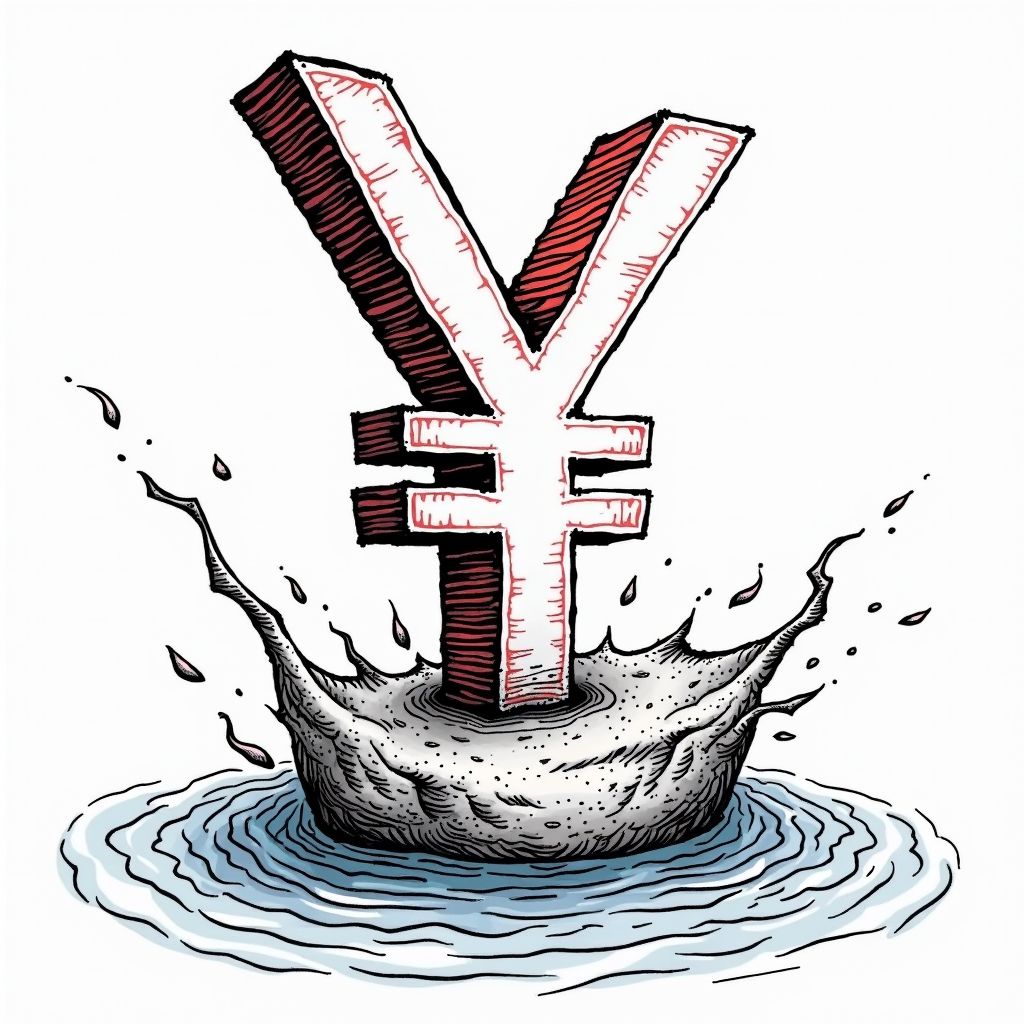
Tokyo, Monday, 16 March 2026.
As Japan ends three decades of ultra-low interest rates, a new report warns that the repatriation of $12 trillion in foreign assets could dramatically increase global borrowing costs.
The End of an Era in Japanese Monetary Policy
On Monday, March 16, 2026, Canadian alternative investment firm Omnigence Asset Management published a comprehensive research paper detailing the consequences of the Bank of Japan’s ongoing monetary tightening cycle [1]. Titled “The Japan Anchor Lifts: Monetary Normalizations, Capital Repatriation, and the Repricing of Global Fixed Income,” the report arrives at a critical juncture as Japanese policy rates and long-dated government bond yields hit multi-decade highs [1]. This marks a definitive end to three decades of ultra-low interest rates in the Asian economic powerhouse [1].
The Threat of Capital Repatriation
The core of the economic threat lies in the massive stockpile of wealth held abroad by Japanese investors [1]. Driven by historically anemic domestic yields, Japanese institutions have aggressively sought returns overseas, accumulating approximately $12 trillion in foreign assets [1]. This staggering capital flight positioned Japan as the largest foreign holder of United States Treasuries [1].
Institutional Context and Market Readiness
The insights regarding Japan’s monetary pivot come from an institution that actively manages multi-strategy alternative investments [2]. Omnigence Asset Management oversees approximately $1 billion in platform assets, with operations spanning private equity, farmland, and multi-asset verticals across offices in Toronto and Calgary [1][2].