Why Rising Asset Wealth Is Making Interest Rate Changes Ineffective
Washington, Monday, 24 August 2026.
In 2026, wealthy households are driving US inflation through market gains rather than borrowing, rendering standard interest rate adjustments largely ineffective at cooling price pressures.
The Wealth Effect on Monetary Transmission
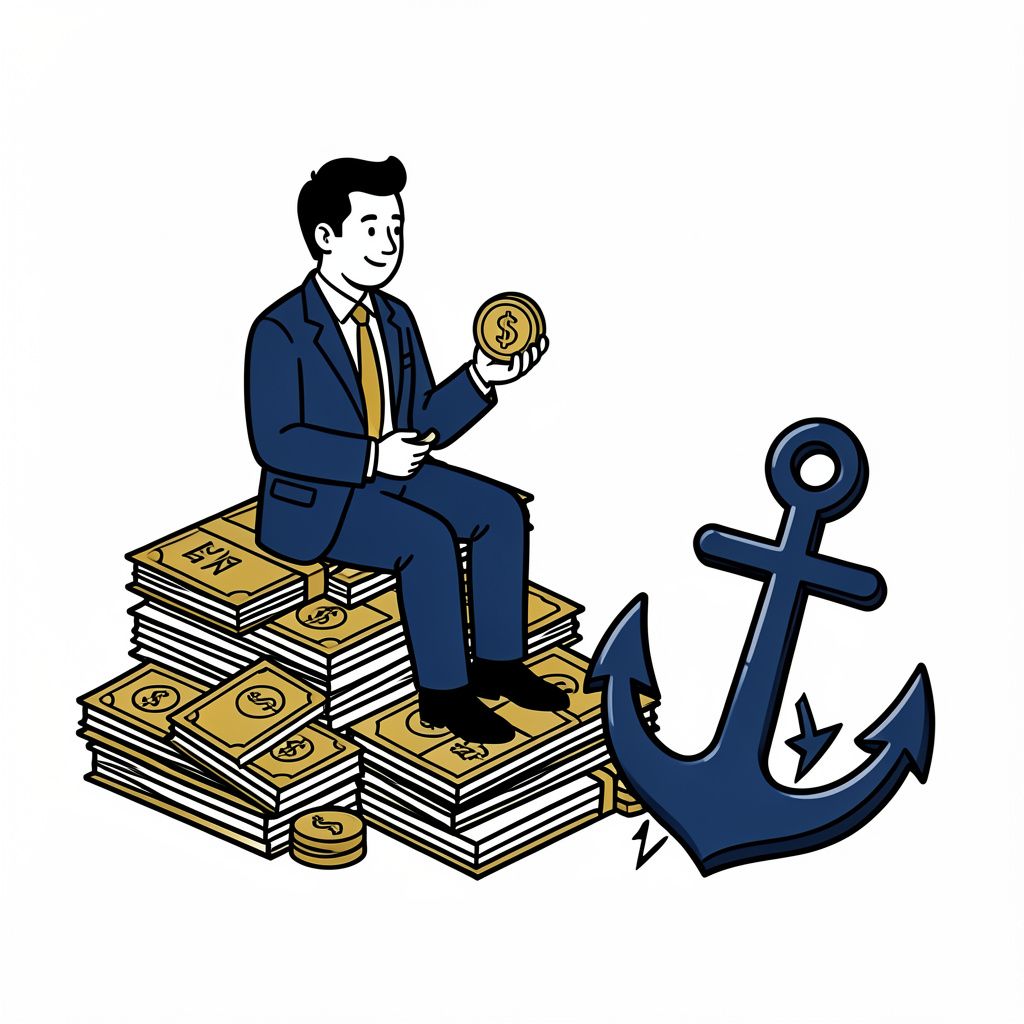
High net-worth households continue spending driven by capital gains rather than borrowing costs, fundamentally altering the transmission mechanism of monetary policy [1]. This dynamic presents a significant strategic challenge for executive leadership and economic policymakers attempting to forecast macroeconomic stabilization in the current economic climate [1]. When the Federal Reserve raises the federal funds rate, the ripple effect typically lowers bond prices throughout the economy, tightening financial conditions and dampening aggregate demand [6]. However, quantitative easing has been equated to asset price inflation by market observers, which alters spending behaviors among those holding significant financial assets [3]. Consequently, standard interest rate adjustments prove less effective at cooling price pressures when wealth concentration is high [1].
Historical Precedents and Techno-Asset Inflation
Historical asset inflation, such as the period during the Northern Renaissance, shows that asset bubbles were driven by technological shifts like the printing press and exploration of the Americas [2]. The current digital revolution has seen two major techno-asset inflation cycles, with the second beginning around 2012 and ongoing into 2026 [2]. This phenomenon is defined as where monetary inflation and technological revolution interact to produce virulent asset inflation [2]. Some economic commentators suggest people should use a measure of inflation that includes more asset inflation than the Consumer Price Index to accurately reflect economic reality [4]. The asset inflation threat is now at a high level, comparable to dangerous episodes in history all the way back to the Northern European Renaissance in the sixteenth and early seventeenth centuries [2].
Federal Reserve Policy and Labor Market Signals
Kevin Warsh has recently assumed the role of Chair of the U.S. Federal Reserve, prompting a re-evaluation of how underlying inflation is measured to dictate interest rate decisions [5]. Data released earlier this month indicates that unit cost inflation over the preceding four years averaged 2%, while the current annual rate is 1.5% [5]. The gap between the historical average and the current rate stands at 0.5 percent, indicating a divergence in cost pressures [5]. Inflation remains too high, and the Fed may decide it needs to raise rates, but not because too many people are working [5]. Experts anticipate productivity growth may increase in the coming years due to broader AI deployment and diffusion across the economy [5].