Moldovan President Signals Readiness for Unification with Romania to Counter Russian Threats
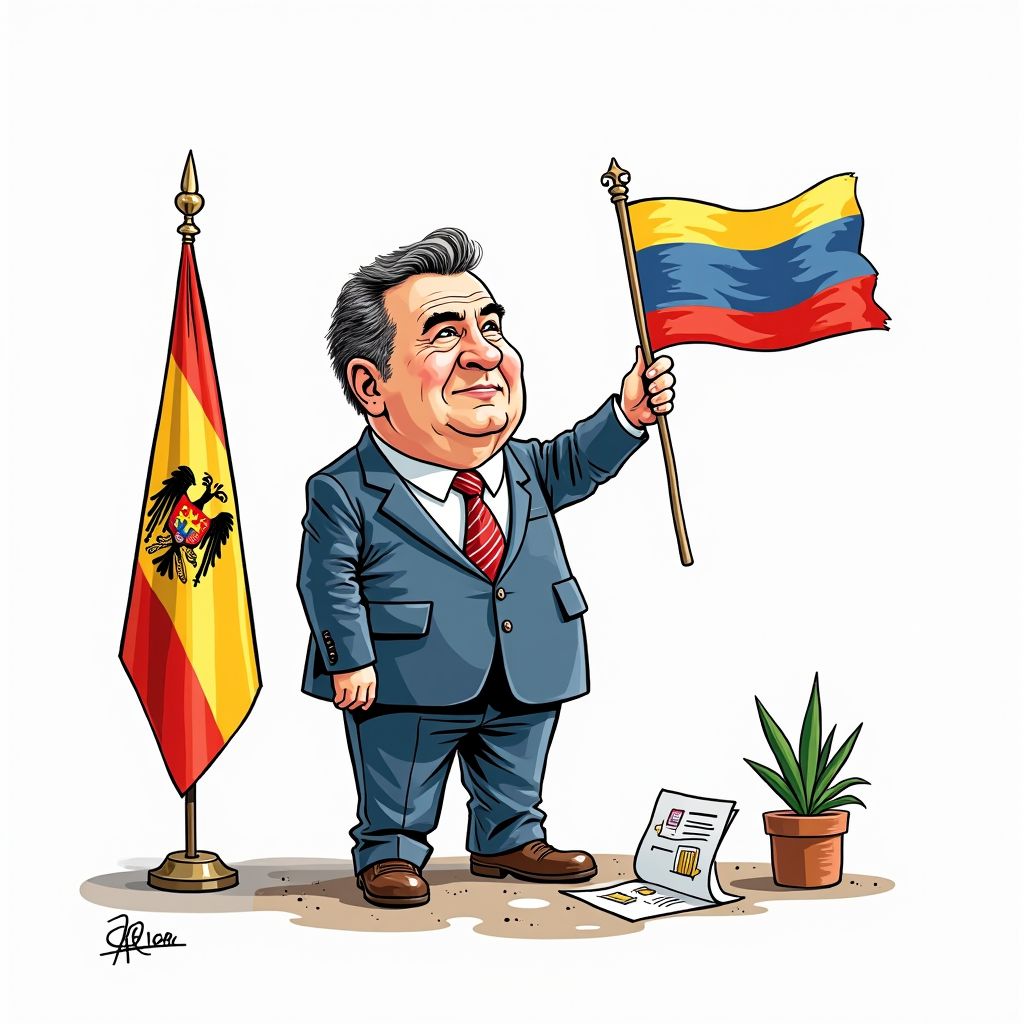
Chisinau, Tuesday, 13 January 2026.
President Sandu stated she would vote for unification with Romania to protect Moldova’s democracy, a significant stance against Russian pressure despite EU integration remaining the primary national goal.
A Strategic Pivot Amidst Geopolitical Instability
In a candid admission that underscores the precarious security architecture of Eastern Europe, Moldovan President Maia Sandu has explicitly stated she would vote in favor of unification with Romania should a referendum occur. Speaking on the British podcast ‘The Rest is Politics’ broadcast on Sunday, January 11, 2026, President Sandu articulated that such a move would be a vote to protect Moldova’s fragile democracy [1][2]. This declaration comes at a time when the nation faces intensifying pressure from the Russian Federation, with Sandu noting that it is becoming “more and more difficult” for a small state like Moldova to survive as a sovereign democracy in the current global climate [1][3]. While the President acknowledged that her personal stance does not currently reflect the majority opinion of the electorate, the statement highlights the severity of the threat posed by Moscow’s influence in the region [1][4].
The Economic Cost of Russian Interference
The economic context behind this geopolitical maneuvering is stark. Since President Sandu’s ascent to power, Moldova has faced aggressive economic coercion from Moscow. Despite attempts to normalize relations in 2021, Russia cut off gas supplies to the nation just a month later [4]. Furthermore, trade relations have deteriorated significantly; Russian embargos have decimated Moldovan exports to the Federation, which have plummeted from 50% to just 4% [4]. The financial toll of defending the country’s democratic institutions is also measurable. During the pro-EU referendum held in 2025, Russian interference operations were estimated to have cost the Moldovan economy the equivalent of 1 percent of its Gross Domestic Product (GDP) [4]. These economic hostilities serve as the backdrop for Sandu’s assertion that Vladimir Putin aims to control not just Moldova, but to exert influence over Europe and neighboring states [4][5].
Divergence Between Public Sentiment and Strategic Necessity
Despite the President’s willingness to embrace unification, the domestic political landscape presents a complex reality. Approximately 1.5 million Moldovans currently hold Romanian citizenship, a figure that suggests deep ties with their western neighbor [1]. However, recent polling data indicates that only around one-third of the population supports full reunification with Bucharest [1]. President Sandu has pragmatically acknowledged this disparity, stating that while she would personally vote ‘yes,’ she recognizes that a majority of the public does not currently support this path [1][2]. Instead, the administration continues to prioritize European Union accession as a “more realistic objective” for safeguarding the nation’s sovereignty [1][3]. This dual approach reflects a balancing act between long-term security guarantees provided by NATO-member Romania and the immediate political will of the Moldovan electorate.
Consolidating Power Against Internal Threats
Domestically, the pro-European administration has managed to secure a firm mandate despite foreign meddling. In the parliamentary elections of September 2025, Sandu’s Party of Action and Solidarity (PAS) won 53 out of 101 seats, securing a legislative majority of approximately 52.475 percent [1][5]. This victory followed a period of intense judicial scrutiny against pro-Russian oligarchs, notably Ilan Șor, who was sentenced to 15 years in prison for large-scale money laundering, leading to the dismantling of his political group [5]. The administration has set a target of 2030 for EU membership, viewing integration as the primary vehicle for stability [1]. While the historical memory of the late 1980s national revival movements suggests a latent potential for unification support, the current strategy remains firmly anchored in European integration as the most viable defense against Russian encroachment [3][5].