Metal Band Sues Netflix Over Name Dispute
Los Angeles, Wednesday, 19 August 2026.
Heavy metal group Demon Hunter is suing Netflix for trademark infringement, citing severe customer mix-ups, including a parent spending $500 on heavy metal tickets expecting a children’s animated show.
The Core of the Legal Conflict
On Tuesday, August 18, 2026, the Seattle-based Christian metal band Demon Hunter, operating through its corporate entity Hyde Lane, officially filed a trademark infringement lawsuit in the U.S. District Court for the Central District of California [1][2][3]. The lawsuit names streaming heavyweight Netflix, Inc. (NFLX), Netflix Studios, and live entertainment promoter AEG Presents as defendants [1][3][GPT]. The band, which was formed in 2000 and has released 12 studio albums over its 25-year career, holds a registered 2022 federal trademark for the name “Demon Hunter” covering recorded music and merchandise, with a pending application for live performances [2][4][5].
A Clash of Market Scale
The legal dispute stems from the massive success of Netflix’s 2025 animated film Kpop Demon Hunters, which has become the streaming platform’s most-watched original title to date [2][6]. The fictional K-pop group from the film, known as HUNTR/X, has achieved real-world commercial success, including winning awards at the 2026 Golden Globes and Oscars, and generating 27 million monthly listeners on Spotify [2][6]. By comparison, the actual metal band Demon Hunter commands a dedicated following of 350,000 monthly Spotify listeners [2][6]. This puts the fictional group’s monthly streaming reach at 77.143 times that of the veteran metal band, illustrating the immense commercial scale of the Netflix franchise.
Real-World Confusion and Commercial Overlap
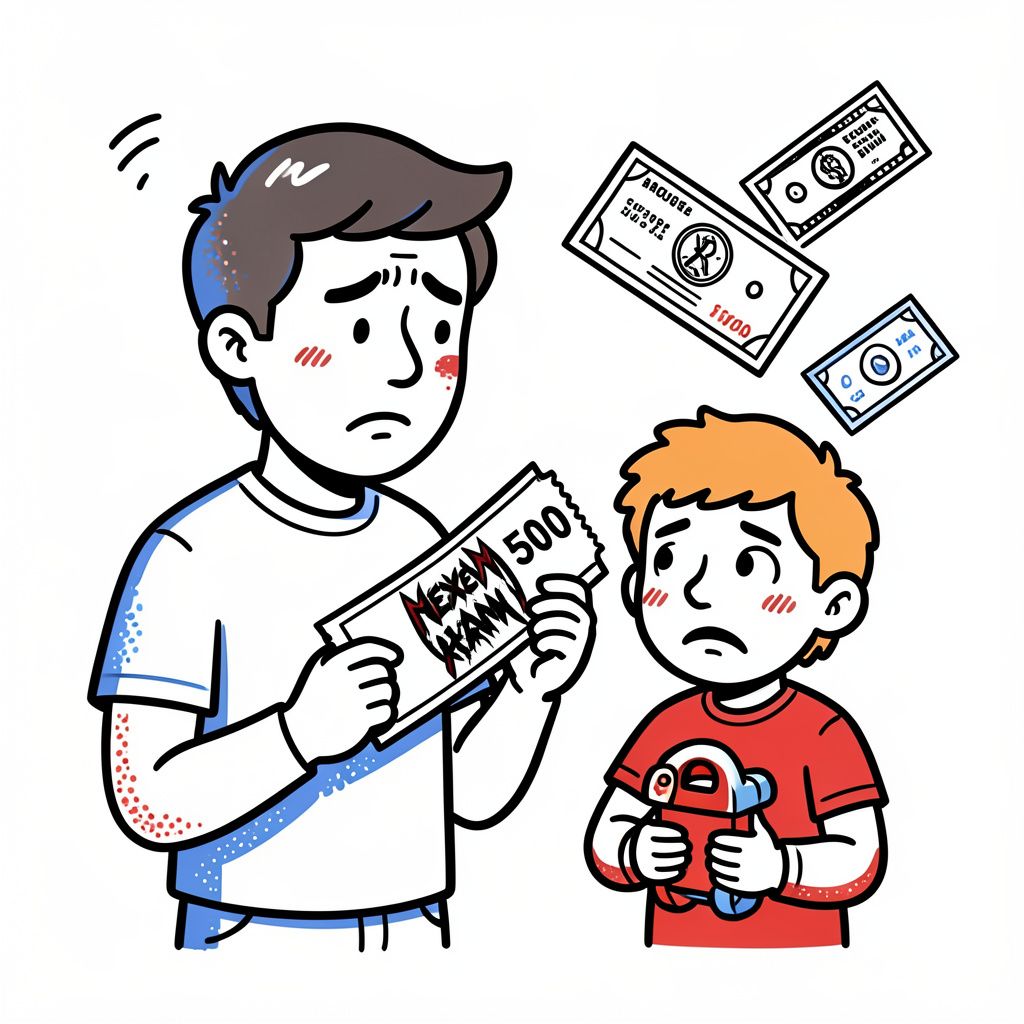
In the legal complaint, Hyde Lane alleges that Netflix’s rapid expansion of the franchise into soundtrack releases, merchandise, and a newly announced 150-city global concert tour scheduled for 2027 has created an “almost complete overlap” of services [1][3][8]. The plaintiffs argue that this aggressive brand expansion has already resulted in actual consumer confusion [3][5]. In one cited instance, a consumer mistakenly spent $500 on top-tier tickets for a heavy metal Demon Hunter concert in Albany, New York, believing they were purchasing tickets to a child-friendly K-pop event for their five- and six-year-old daughters [3][5]. Additionally, the band’s management was reportedly contacted by a television producer who was confused by the overlapping names [2][6].
David vs. Goliath in the IP Arena
The lawsuit accuses Netflix and AEG of leveraging their superior market power and financial resources to effectively “eclipse” the metal band’s established brand identity [1]. This dynamic, often referred to as reverse confusion, threatens to make the senior trademark holder appear as though they are affiliated with or derived from the junior user’s franchise [1][3]. Hyde Lane is seeking a jury trial, treble damages, disgorgement of Netflix’s profits, and a permanent court injunction to bar the defendants from using the “Kpop Demon Hunters” name for music, merchandise, and live events [1][3][6]. As of August 17, 2026, representatives for Netflix and AEG had not yet issued a formal response to the legal filing [1].
Sources
- www.thewrap.com
- www.bbc.com
- www.complex.com
- www.facebook.com
- www.theprp.com
- ca.news.yahoo.com
- x.com
- www.instagram.com