Inflation Fears Drive American Economic Pessimism to a Four-Year High
Washington, D.C., Wednesday, 6 May 2026.
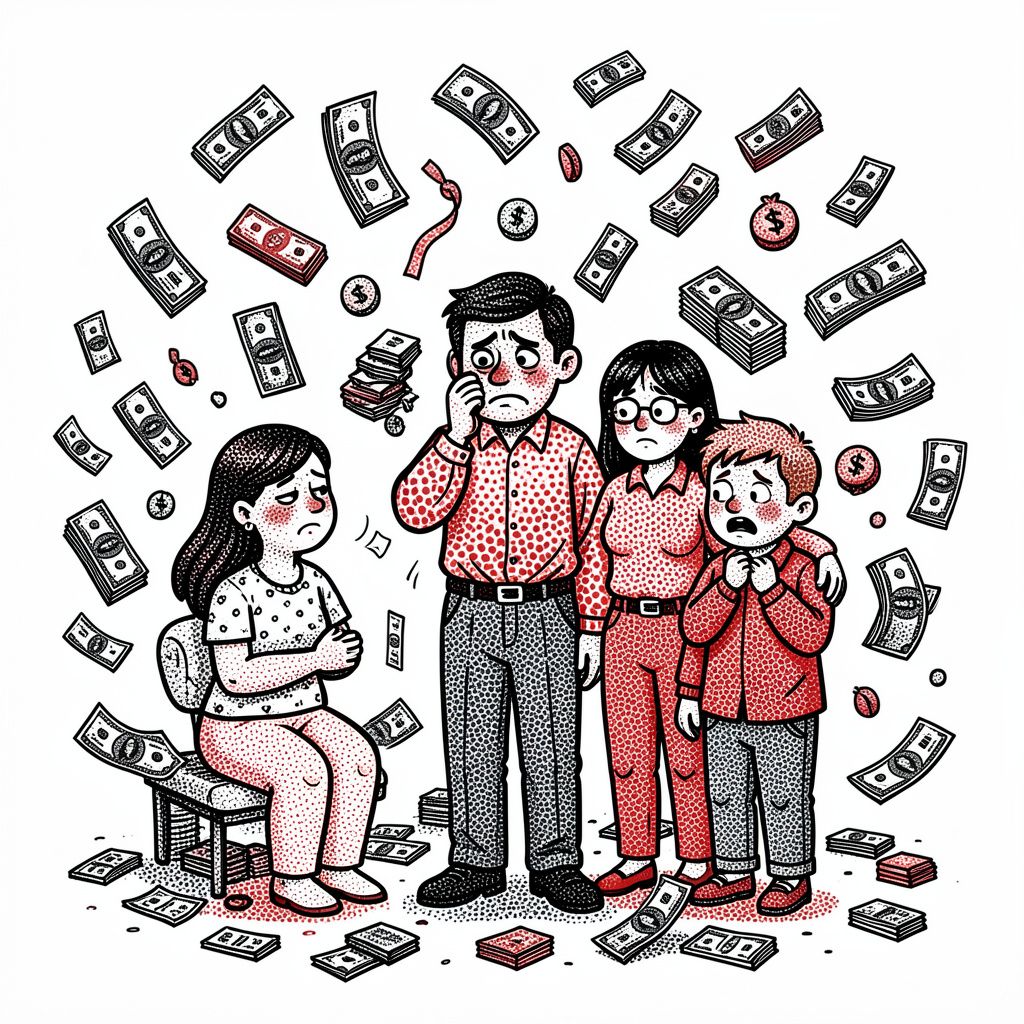
A striking 61% of Americans now believe the economy is worsening. This four-year high in pessimism is driven by persistent inflation and dissatisfaction with current economic policies.
Geopolitical Tensions Fuel Price Hikes
The resurgence of inflation is not merely a domestic issue but is heavily influenced by international conflicts. According to the Commerce Department, the personal consumption expenditures (PCE) price index spiked to an annual rate of 3.5 percent in March 2026, up from 2.8 percent in February [3]. This represents a 25 percent relative increase in the inflation rate over a single month, driven significantly by the ongoing United States conflict with Iran [3].
Political Fallout and Policy Dissatisfaction
The economic turbulence has translated into severe political headwinds for the current administration. Public approval of President Trump’s handling of inflation is notably low, with only 25 percent of Americans approving compared to 69 percent who disapprove, resulting in a net approval rating of -44 on this specific issue [1][4]. His broader job performance metrics are similarly depressed; as of May 5, 2026, 36 percent of the public approves of his overall job as president while 58 percent disapprove [1][4]. This net approval of -22 is near the lowest point of his second term [1].
Broader Economic Implications
For business leaders and policymakers, this confluence of high inflation, geopolitical supply chain disruptions, and plummeting consumer confidence presents a complex macroeconomic challenge. With nearly six in ten Americans bracing for further price increases over the next year [3], retail spending and consumer demand are likely to face sustained downward pressure. As energy costs remain elevated due to the ongoing Middle Eastern conflict [3], the broader U.S. economy must navigate these immediate inflationary shocks while managing widespread public dissatisfaction with current fiscal and foreign policies [GPT].