Harvard Scientist Testifies That State Dispensary Cannabis Lacks Pharmaceutical Quality
Washington, Monday, 6 July 2026.
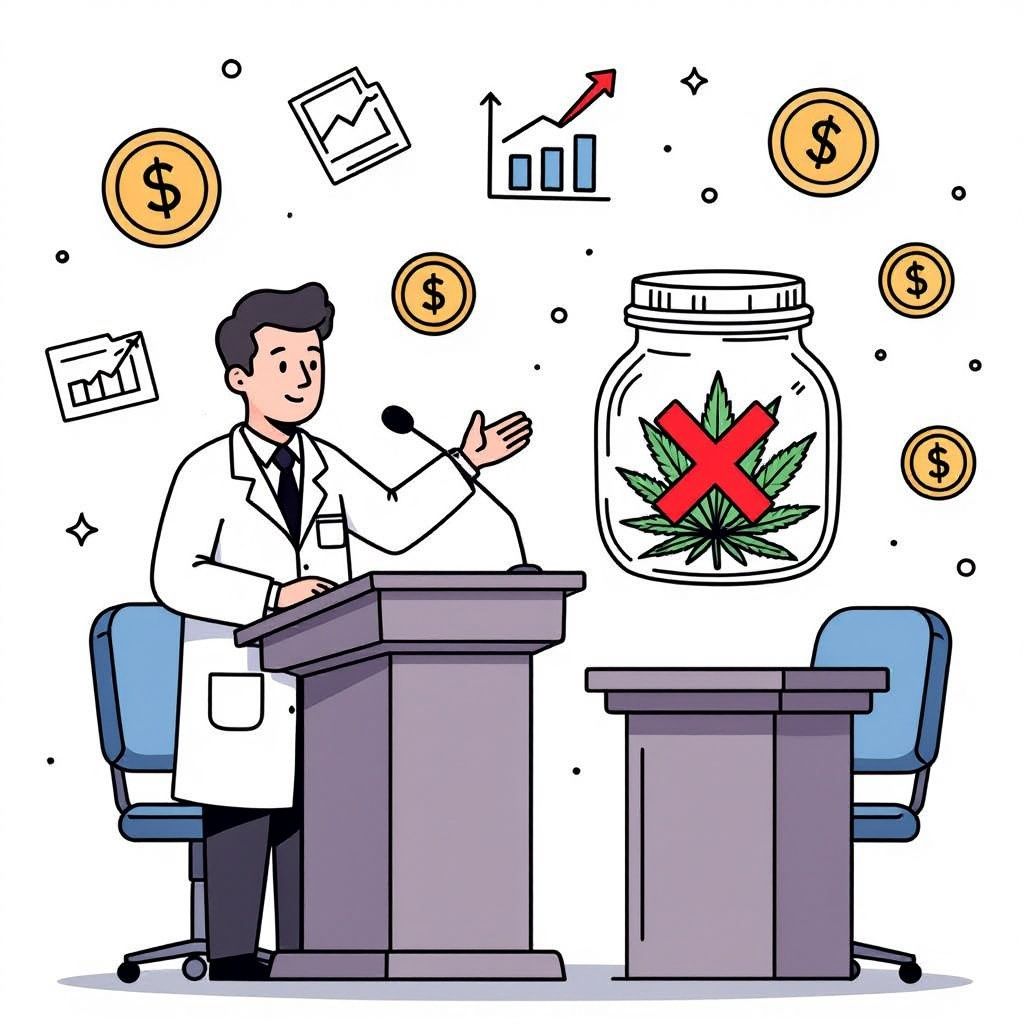
At a federal hearing, a Harvard expert testified that state dispensary cannabis lacks the purity and consistency of pharmaceutical-grade medicine, underscoring major regulatory hurdles for the industry.
The Clash Over Pharmaceutical Standards
Dr. Bertha Madras, a Professor of Psychobiology at Harvard Medical School, testified at a Drug Enforcement Administration (DEA) administrative hearing on Monday, July 6, 2026, that cannabis products sold in state-regulated dispensaries do not meet the rigorous quality control standards required for pharmaceutical-grade drugs [1]. According to Dr. Madras, these commercial dispensary products lack validated manufacturing processes, purity controls, and batch-to-batch consistency [1]. This testimony is a focal point of the DEA’s ongoing rescheduling hearings, which began on June 29, 2026, to evaluate reclassifying cannabis from Schedule I to Schedule III under the Controlled Substances Act [4]. The administrative proceedings are expected to last approximately two weeks, concluding around July 13, 2026 [4].
Federal Rescheduling and State-Level Political Friction
The federal push to reschedule marijuana is currently an active administrative process, originating from a proposal by the Trump administration, which represents the Republican Party [5][GPT]. On July 1, 2026, the DOJ filed a court motion opposing a request to pause this rescheduling proposal, defending the transition to Schedule III by citing the financial interests of the drug testing and pharmaceutical industries [5]. Under federal rules, Schedule I classification requires a substance to have “no currently accepted medical use,” whereas Schedule III requires “at least one currently accepted medical use” and a lower potential for abuse [4]. A 252-page Department of Health and Human Services (HHS) report from 2023 previously recommended this shift, concluding that the public health risks of cannabis are lower than those of Schedule I or II drugs like heroin, oxycodone, and cocaine [4].
Safety Warnings and Implemented Policies
Beyond legislative campaigns, federal rescheduling has triggered warnings from the transportation sector. The American Trucking Associations and other transportation safety groups issued a formal letter cautioning that rescheduling could compromise drug testing protocols for pilots and truck drivers, highlighting significant logistics and safety concerns [2]. Meanwhile, actual restrictive policies have already been implemented by federal and state officials. On July 1, 2026, Army Secretary Dan Driscoll issued an official memo banning kratom use for all U.S. servicemembers [2]. On the same day, the administration of Democratic Governor Michelle Lujan Grisham in New Mexico faced intense public criticism over a newly implemented policy mandating state custody for newborns exposed to drugs, including marijuana [2][GPT].
Sources
- www.newswire.com
- www.marijuanamoment.net
- cannabispromotions.com
- www.greenstate.com
- www.marijuanamoment.net