Invisible Efficiency: How Seattle's Historic Homes Are Adapting to 2026 Climate Rules
Seattle, Friday, 20 March 2026.
TBH Sterling is tackling Seattle’s aggressive 2026 energy mandates by installing “invisible” high-efficiency modernizations in historic homes, proving environmental compliance doesn’t require sacrificing vintage architectural value.
A Landmark Shift in Residential Regulations
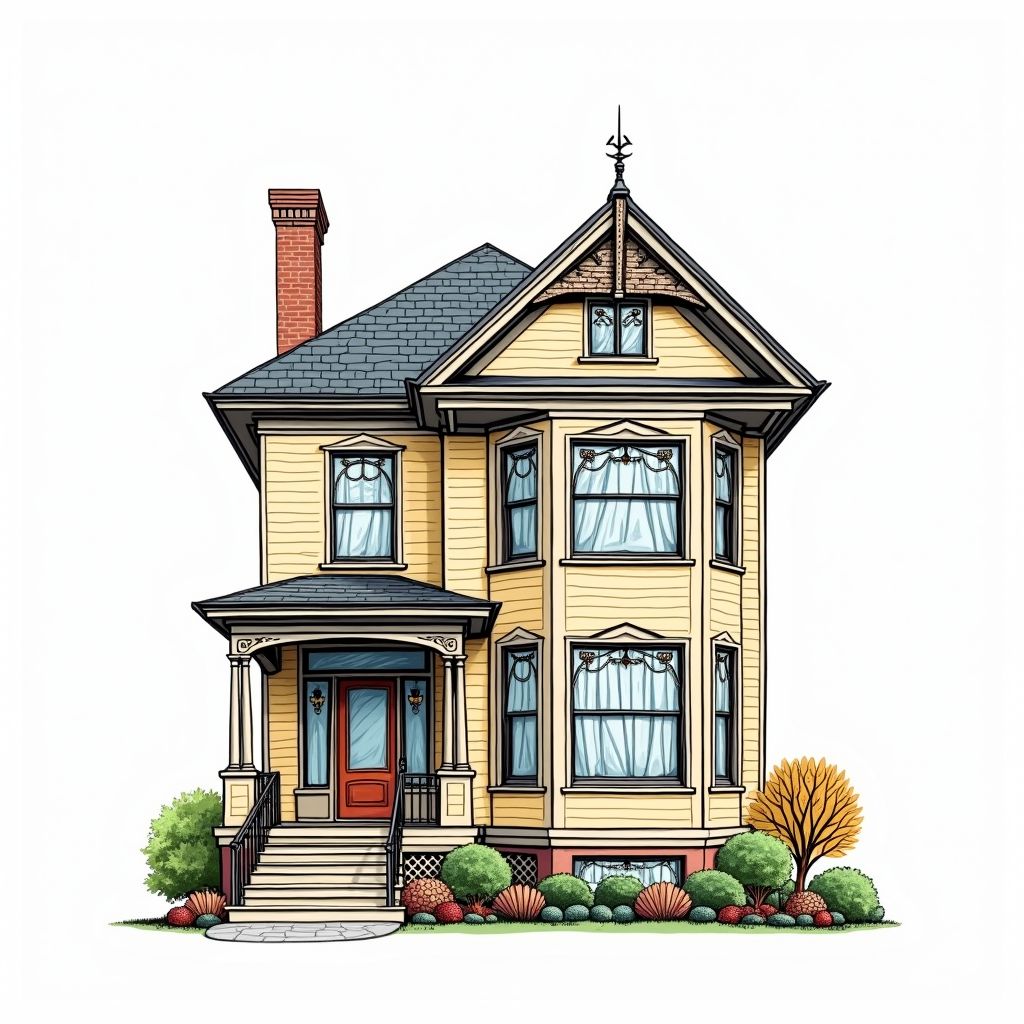
On March 20, 2026, Seattle-based residential remodeling firm TBH Sterling unveiled a comprehensive strategy to retrofit the city’s aging housing stock [1]. This initiative is a direct response to Seattle’s 2026 residential energy requirements, which mandate a landmark shift toward total-home electrification, stringent carbon footprint reductions, and significantly enhanced thermal performance [1]. For the broader real estate market, upgrading standard properties to meet modern ecological benchmarks is a straightforward, albeit heavily capitalized, endeavor [GPT]. However, for owners of Seattle’s signature Craftsman, Tudor, and Mid-Century Modern homes, these new regulations present a unique dilemma [1]. Achieving compliance with aggressive 2026 benchmarks without destroying the historical craftsmanship of these properties requires highly specialized architectural knowledge [1]. The challenge lies in dramatically improving energy efficiency without compromising the vintage aesthetic that defines the region’s historic neighborhoods [1].
The Strategy of “Invisible” Modernization
To navigate this complex regulatory landscape, TBH Sterling advocates for a concept it terms “invisible” modernization [1]. The firm’s methodology begins with a rigorous diagnostic phase to evaluate the specific structural and environmental demands of each building [1]. This thorough assessment determines whether a property requires relatively simple performance tweaks or comprehensive structural overhauls to align with the 2026 compliance standards [1]. The execution of these upgrades focuses heavily on fortifying the building envelope [1]. By integrating advanced thermal management and strategic window placement alongside modernized mechanical systems, the firm successfully brings legacy properties up to contemporary codes [1]. Furthermore, luxury conveniences such as smart home hubs, automated lighting, and heated floors are installed in a way that renders them virtually undetectable, ensuring the visual focus remains entirely on the original architectural features [1]. As the firm’s technical director noted, these hidden additions “greatly enhance the user experience and the building’s overall performance” while completely avoiding any detraction from the home’s historic style [1].
Bridging Legacy and Future Technology
Operating under a comprehensive design-build format, TBH Sterling manages the entire lifecycle of these complex retrofits, from initial design and material selection through to the final construction, plumbing, and electrical work [1]. This end-to-end oversight is particularly appealing to their target demographic of affluent clients in the Pacific Northwest, who demand high-end, responsible customization that prepares their properties for future environmental mandates [1]. Ultimately, the firm’s philosophy is rooted in a deep understanding of each property’s unique history and structural condition [1]. By consistently asking “what does the house need?”, the company ensures that every modernization effort respects the foundational structure of the residence [1]. As the lead design consultant emphasized, the goal is not merely to review a blueprint but to preserve a legacy, radically improving a building’s efficiency while maintaining the unique character that makes Seattle’s historic real estate so highly valued [1].