White House Anti-Fraud Meeting Sparks Partisan Divide Following Democratic Boycott
Washington, Thursday, 28 May 2026.
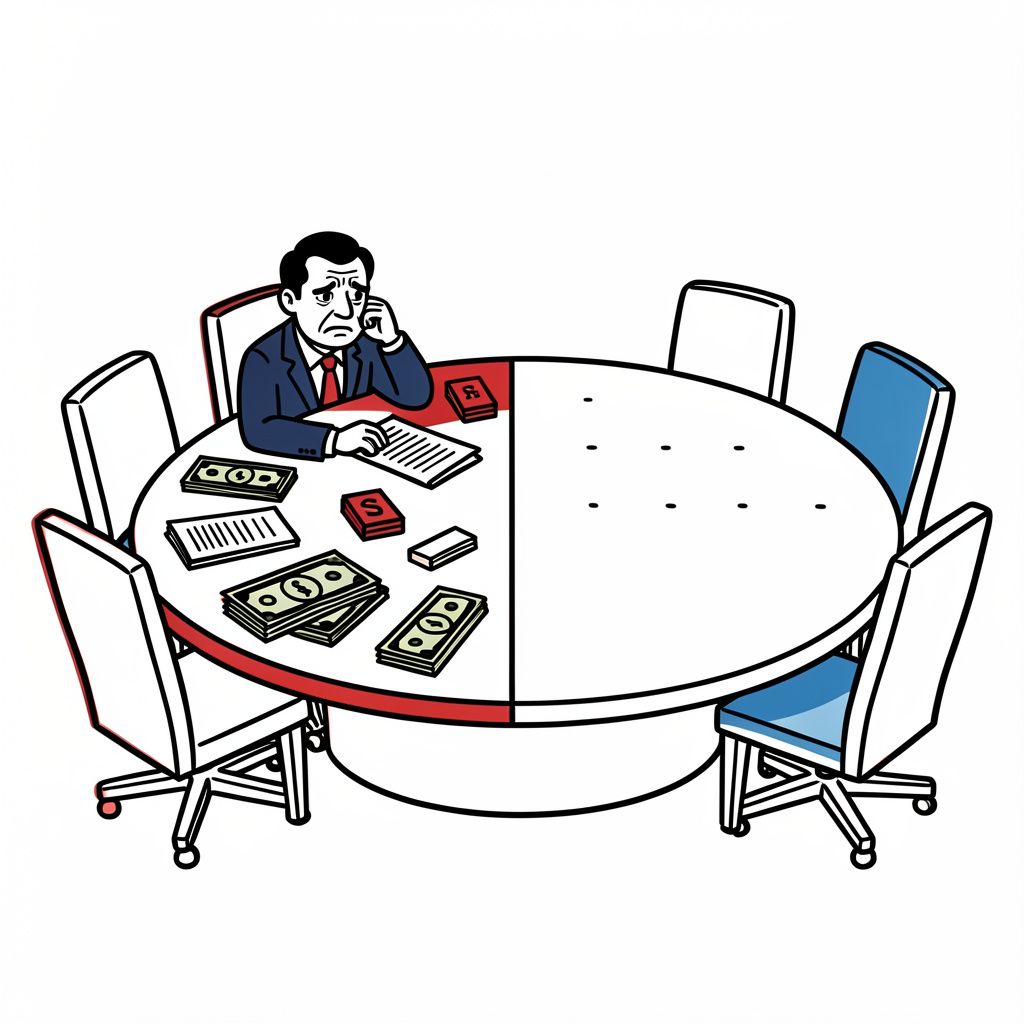
Twenty-four Democratic attorneys general boycotted Vice President Vance’s anti-fraud roundtable after receiving invitations days later than Republicans, highlighting a growing partisan fracture in national regulatory enforcement.
The Logistics of a Partisan Snub
On Tuesday, May 26, 2026, Vice President JD Vance convened an anti-fraud roundtable at the White House to address the mismanagement of state-administered federal programs [1][2]. The gathering included Federal Trade Commission Chairman Andrew Ferguson, White House deputy chief of staff Stephen Miller, and 16 Republican state attorneys general [1][2]. However, the event was conspicuously missing 24 Democratic attorneys general—representing 23 states and Washington, D.C., including prominent figures like Keith Ellison of Minnesota—who collectively boycotted the meeting [1][2]. The stated reason for their absence was a severe lack of adequate notice, which the Democratic officials argued precluded their participation in a meaningful dialogue [1][2].
Billions at Stake in the Administration’s “War on Fraud”
The May 26 roundtable served as a cornerstone event for the Task Force to Eliminate Fraud, a federal initiative established by President Donald Trump via executive order in March 2026 [1][2]. Following his State of the Union address in February, President Trump appointed Vice President Vance to lead a comprehensive “war on fraud” targeting waste and abuse in federally funded programs [1][2]. The financial scope of this enforcement initiative is massive. On May 19, Vice President Vance announced that the task force had already referred over $22 billion in allegedly fraudulent small business loans to the Treasury Department [1]. Additionally, the administration deferred more than $1.3 billion in Medicaid reimbursements, predominantly from California, and placed a six-month freeze on new enrollments for hospice and home healthcare providers [1].
Navigating a Fragmented Regulatory Landscape
The political optics of the boycott have been swiftly weaponized in the public sphere. Vice President Vance addressed the Democratic absence by asserting that rooting out fraud “should not be a partisan effort” and emphasized that the task force had exposed billions in stolen benefits in “just two months” [1][3]. Meanwhile, conservative commentators immediately capitalized on the event; on May 27, the popular Instagram account “Hodgetwins” argued that the Democratic absence suggested blue states are unwilling or unable to confront massive taxpayer theft, framing the modern Democratic Party as the “party of fraud and waste” [4]. The Democratic attorneys general countered this narrative in their letter, stating they remain fully committed to stopping waste and would welcome future participation given “appropriate notice and a genuine opportunity for engagement” [1][2].