How Intense Competition Between Sylvester Stallone and Arnold Schwarzenegger Built Box Office Fortunes
Los Angeles, Friday, 6 November 2026.
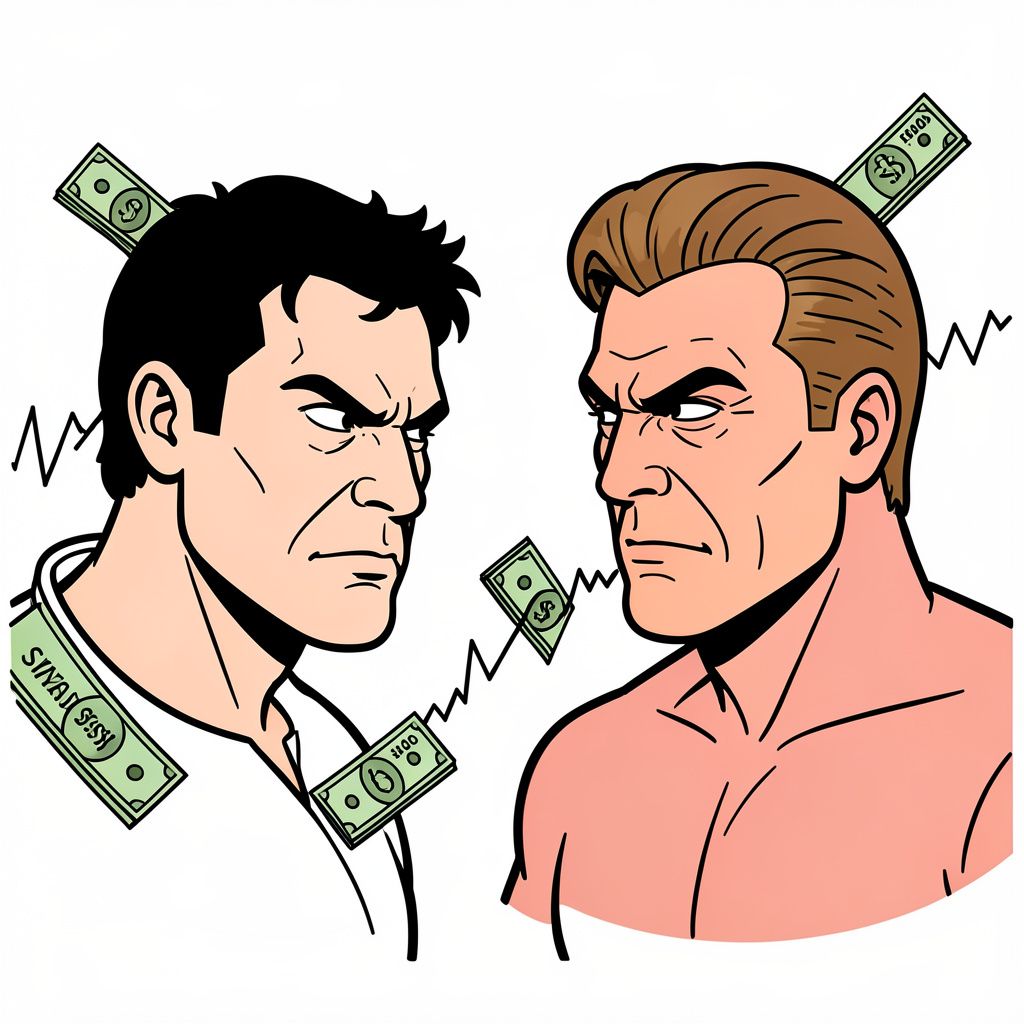
Sylvester Stallone revealed their fierce twenty-year Hollywood rivalry was so extreme they refused to share a stage, until commercial friction eventually transformed into profitable cinematic partnerships.
The Birth of a Hollywood Showdown
The rivalry between Sylvester Stallone and Arnold Schwarzenegger, which dominated the action genre in the 1980s, was not merely artistic but rooted in a hyper-competitive commercial battleground where box office supremacy translated directly into franchise value and personal brand equity [1][2][3][4][5]. According to Stallone’s recent reflections during a November 5, 2026 podcast appearance, the antagonism began almost immediately upon their rise to stardom, with public incidents such as Stallone throwing a bowl of flowers at Schwarzenegger during the 1977 Golden Globes after Schwarzenegger allegedly laughed at Stallone’s award losses [1][3][5]. This early hostility set the tone for a two-decade rivalry that shaped the trajectory of both actors’ careers and the broader action genre. By the mid-1980s, their competition had intensified into a strategic battle for market dominance, with franchises like Rocky, Rambo, The Terminator, and Predator serving as high-stakes arenas for audience share and cultural influence [4][5].
From Hostility to Shared Ventures
What began as a personal and professional feud evolved into one of Hollywood’s most lucrative business partnerships. Stallone and Schwarzenegger’s intense rivalry, which prevented them from sharing the same stage for nearly 20 years, ultimately gave way to collaboration when Schwarzenegger shifted focus to politics in 2003, running for and winning the governorship of California [1][2][3][4][6]. This career pivot created a natural cooling-off period, allowing both actors to reassess their competitive dynamic. By the time Schwarzenegger’s tenure as governor concluded in 2011, the ice had fully thawed. The former rivals reunited on screen in The Expendables (2010), a film that symbolized their transition from rivals to collaborators. Their on-screen partnership expanded with co-starring roles in The Expendables 2 (2012), Escape Plan (2013), and The Expendables 3 (2014), demonstrating how competitive tension could be repurposed into mutually beneficial creative and financial ventures [2][3][4][6].
The Business of Rivalry: Planet Hollywood and Beyond
The commercial synergies of their rivalry extended beyond film into shared business ventures, most notably the founding of Planet Hollywood in 1991. Despite their personal feud, both actors invested in the restaurant chain as celebrity founders, leveraging their global brand recognition to drive foot traffic and media attention [1][5]. While their rivalry initially prevented them from promoting the venture together, the venture itself became a testament to how competitive energy could be channeled into profitable enterprises. Stallone has since reflected on how their rivalry pushed both actors to elevate their craft, with Schwarzenegger even acknowledging Stallone’s contributions to the genre during a 2016 viral video supporting Stallone after his Best Supporting Actor loss at the Oscars [4][6]. Today, their story serves as a case study in how fierce market competition can catalyze industry growth, expand total addressable markets, and eventually yield collaborative opportunities that enhance brand equity and revenue streams across global entertainment sectors [GPT].
Legacy and Lessons in Competitive Evolution
The Stallone-Schwarzenegger rivalry offers a rare glimpse into how personal and professional rivalry can evolve into a mutually reinforcing business relationship. Their journey from antagonistic competitors to strategic allies underscores a broader trend in Hollywood, where rivals often become collaborators to extend franchise lifecycles and tap into new revenue streams [2][3][4]. For investors and entertainment executives, their story highlights the importance of recognizing when competitive pressure has reached its peak utility and pivoting toward cooperative strategies. As Stallone noted during his November 5, 2026 podcast appearance, the rivalry was a ‘fire under me’—a competitive engine that drove both actors to new heights before naturally transitioning into a partnership built on mutual respect and shared financial interests [1][2][3][4][6]. Their legacy is not just one of cinematic excellence but of strategic business evolution, proving that even the fiercest competitors can become the most profitable collaborators.