How Combining China Shipments Slashes Peak Season Import Costs
Shanghai, Tuesday, 17 November 2026.
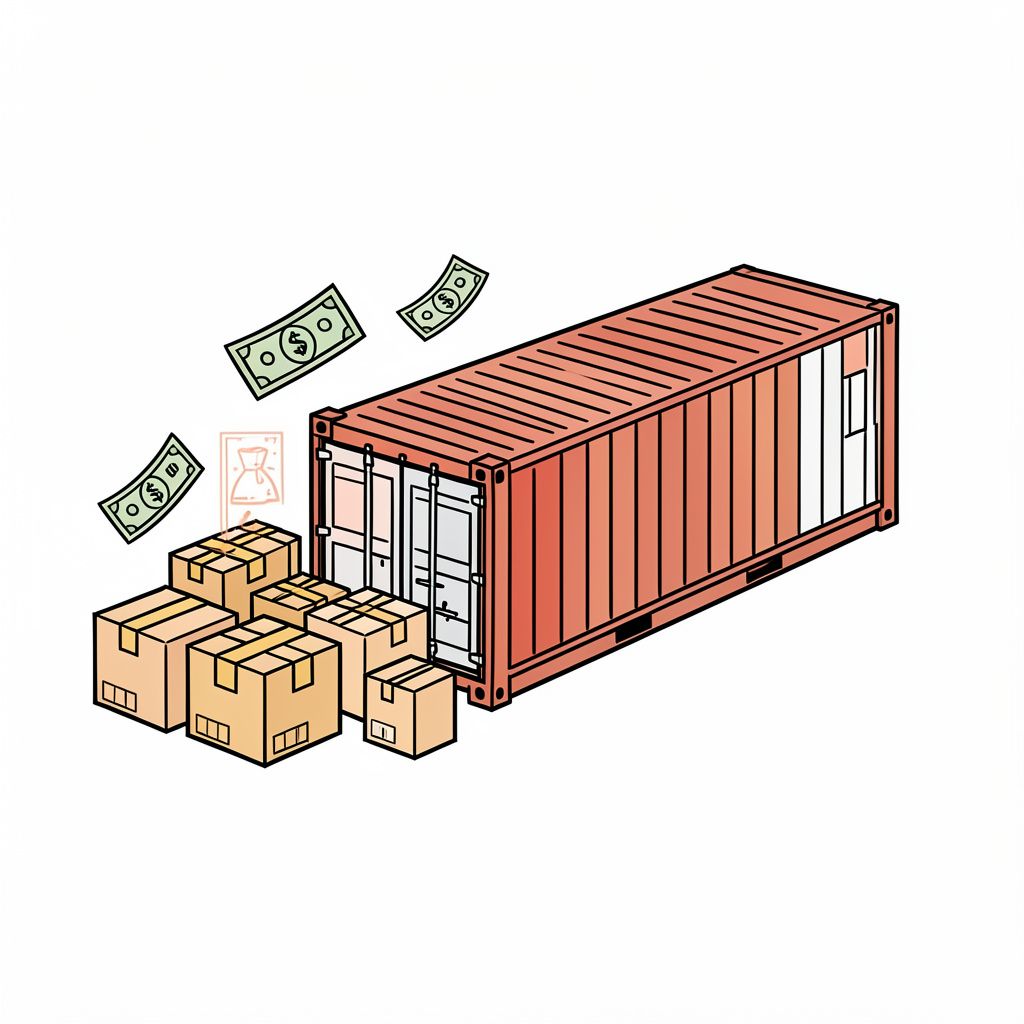
Importers are adopting domestic consolidation hubs across China to merge multi-supplier orders into full containers, fixing costly inventory defects within days and evading steep peak-season ocean surcharges.
The Strategic Shift to Consolidation Hubs in China
As the 2026 peak shipping season approaches, logistics providers and international importers are rapidly expanding the use of full container load (FCL) freight consolidation hubs across key Chinese export centers to combat rising import costs. This strategic shift, documented in operational guides published in November 2026, involves pooling multi-supplier orders into unified shipments at domestic consolidation facilities before export. The approach is designed to improve supply chain predictability and significantly reduce transpacific freight overheads for Western retail and manufacturing businesses sourcing from China[1][2][3]. By consolidating shipments close to the point of origin, importers can mitigate the impact of seasonal surcharges and capacity constraints that typically drive up costs during peak periods.
Operational Mechanics of FCL Consolidation
The consolidation process begins with goods from multiple suppliers being delivered to a single warehouse in China, where they undergo value-added services such as counting, checking, labeling, repacking, kitting, and palletizing. These hubs, often located in strategic manufacturing hubs like Yiwu and Shenzhen, provide a critical intermediary step that transforms fragmented LCL (Less than Container Load) shipments into optimized FCL loads[1][2][3]. This operational model is particularly advantageous for importers purchasing from three or more suppliers, as it allows for the identification and resolution of issues such as missing units, incorrect labels, or damaged goods while the cargo remains in China. Resolving such issues domestically avoids the far higher costs associated with post-export corrections, including additional freight, customs delays, and potential penalties[1][2][3].
Cost Reduction and Risk Mitigation Benefits
The financial rationale for adopting FCL consolidation is compelling. During peak seasons, ocean carriers typically impose temporary surcharges and tighten space availability, driving up costs for LCL shipments which are priced per cubic meter plus handling fees at both origin and destination. In contrast, FCL shipments, which are charged a flat rate for the container regardless of fill level, become more cost-effective as shipment volume increases[2][3]. For example, an importer consolidating goods from five suppliers into a single 40ft container could reduce total freight costs by up to (LCL_total_cost - FCL_cost)/LCL_total_cost*100, where LCL_total_cost is calculated as the sum of volumetric charges, origin handling, destination deconsolidation, and potential surcharges[2][3]. Consolidation hubs also eliminate destination handling and deconsolidation steps, further streamlining the supply chain and reducing administrative overhead[2][3]. Additionally, the consolidation process includes export filing and customs documentation preparation, which simplifies compliance and reduces the risk of delays or penalties at international borders.
Broader Economic and Logistical Impact
The widespread adoption of consolidation strategies is reshaping the logistics landscape for China-Europe and China-U.S. trade routes, where peak-season demand traditionally strains port capacities and drives up freight rates. By enabling higher container utilization and earlier cargo preparation, consolidation hubs help alleviate pressure on global supply chains during critical periods[2][3]. This operational shift also supports the growth of small and medium-sized enterprises (SMEs) that lack the bargaining power to negotiate favorable freight rates individually. Through pooled shipments, these businesses gain access to more predictable and competitive pricing models, fostering greater participation in international trade[1][3]. Furthermore, the inclusion of services such as Amazon FBA preparation and DDP (Delivered Duty Paid) door-to-door solutions in consolidation packages provides end-to-end logistics support, reducing complexity for importers and allowing them to focus on core business activities[3][6].
Industry Response and Future Outlook
Industry participants such as Sinolinkers and STU Supply Chain have rapidly expanded their consolidation services in response to growing demand, with Sinolinkers operating a 100+ staff consolidation hub in Yiwu and collaborating with its in-house logistics division, Toncent Logistics, to manage end-to-end shipping processes[1][3][6]. Similarly, STU Supply Chain has leveraged social media platforms like Instagram to promote its buyer’s consolidation services, targeting importers sourcing small items from platforms such as Taobao and 1688[8]. These initiatives reflect a broader trend toward integrated logistics solutions that prioritize efficiency, cost predictability, and risk mitigation. Looking ahead, the continued expansion of consolidation hubs is expected to drive further consolidation in the freight forwarding industry, with larger logistics providers leveraging economies of scale to offer more competitive rates and value-added services[1][2][3]. This evolution may also spur innovation in digital logistics platforms that facilitate real-time tracking, automated documentation, and AI-driven demand forecasting, further enhancing the efficiency of global supply chains.
Sources
- www.einpresswire.com
- www.einpresswire.com
- www.openpr.com
- www.einpresswire.com
- www.einpresswire.com
- www.openpr.com
- seafreightgo.com
- www.instagram.com