Pentagon Leadership Turmoil Deepens as Defense Secretary Blocks Four Key Army Promotions
Washington, Sunday, 30 August 2026.
Defense Secretary Pete Hegseth has blocked four more Army officer promotions, bringing 2026 removals to 45 amid an unprecedented 150-day vacancy in top Army leadership.
Promotion Blocks Expand Amid Leadership Overhaul
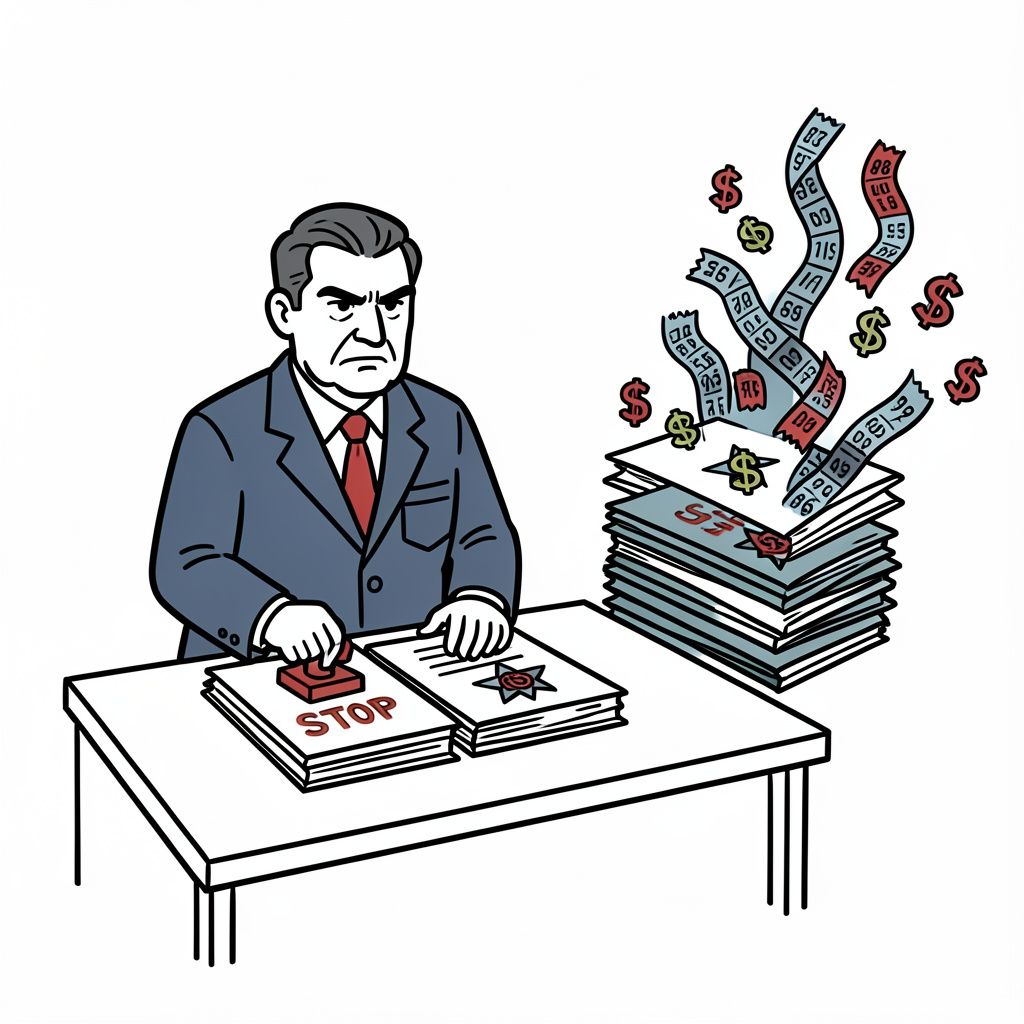
On August 28, 2026, Defense Secretary Pete Hegseth blocked the promotions of four U.S. Army officers to one-star rank, citing ties to previously ousted generals [1][2][3]. This decision marks a continuation of a broader restructuring effort within the Pentagon, specifically targeting officers linked to former Army Chief of Staff Gen. Randy George, who was removed in April 2026, and Gen. Chris Donahue, who was ousted in June 2026 [1][2][3]. The move underscores the intensifying political scrutiny facing top military leadership under the current administration [1][4]. Throughout 2026, at least 45 officers have been removed from promotion lists, representing a significant portion of the typical annual cohort [1]. Army one-star promotion lists typically consist of approximately 36 officers, suggesting the 2026 removals exceed a standard year’s total selection [1].
Demographic and Operational Impact
Of the 45 officers removed from promotion lists this year, more than 50% are female or Black, a demographic shift that has drawn attention from military analysts [1]. Using the provided figures, the minimum number of affected officers from these demographics is 22.5 [1]. Earlier in 2026, Hegseth removed four other Army officers, including two women and two Black men, from a promotion list, a move that caused friction with Army Secretary Dan Driscoll [2][3]. Retired Lt. Gen. Richard Newton described the promotion blocks as unnecessary, unwarranted, and unprecedented, warning it is not good for good order and discipline inside the military ranks [2][3]. Pentagon spokesperson Sean Parnell countered that military promotions are given to those who have earned them, stating this standard will not change under Secretary Hegseth [2][3][4].
Leadership Vacuum and Confirmation Challenges
As of August 30, 2026, the U.S. Army has reached a 150-day milestone without a Senate-confirmed chief of staff, following General George’s firing on April 2, 2026 [4][8]. General Christopher LaNeve serves as the acting chief of staff but faces bipartisan opposition in the Senate Armed Services Committee regarding his permanent appointment [2][3][4]. Senator Roger Wicker, Republican chair of the committee, acknowledged in early August 2026 that there is some opposition within the committee regarding LaNeve’s confirmation [4][8]. The current administration has removed over 20 top military officers and blocked dozens of promotions across the Army, Air Force, and Navy [4][8]. General LaNeve is described by the Pentagon as completely trusted by Secretary Hegseth to carry out his vision [4][8].
Administrative Turnover and Stability
Army Secretary Dan Driscoll is reportedly planning to vacate his position, with reports indicating a potential departure around Labor Day 2026 or by the end of the year [2][3][4]. While Driscoll is open to departing around September 7, 2026, the White House has requested he remain through the November 2026 midterms to ensure stability [2][3]. Defense Secretary Hegseth is considering Pentagon spokesperson Sean Parnell as a potential successor for the Army Secretary position, a move reported on August 26, 2026 [3][4]. The ongoing leadership turbulence presents significant operational considerations for defense contractors and national security policymakers monitoring stability within the Department of Defense [1][4]. With the Army lacking a confirmed chief of staff and key secretary positions in flux, the strategic direction of military modernization efforts remains a critical variable for investors and observers alike [2][4].