Starbucks Sued Over Claims Its Sugar-Free Drinks Contain Sugar
Seattle, Wednesday, 7 October 2026.
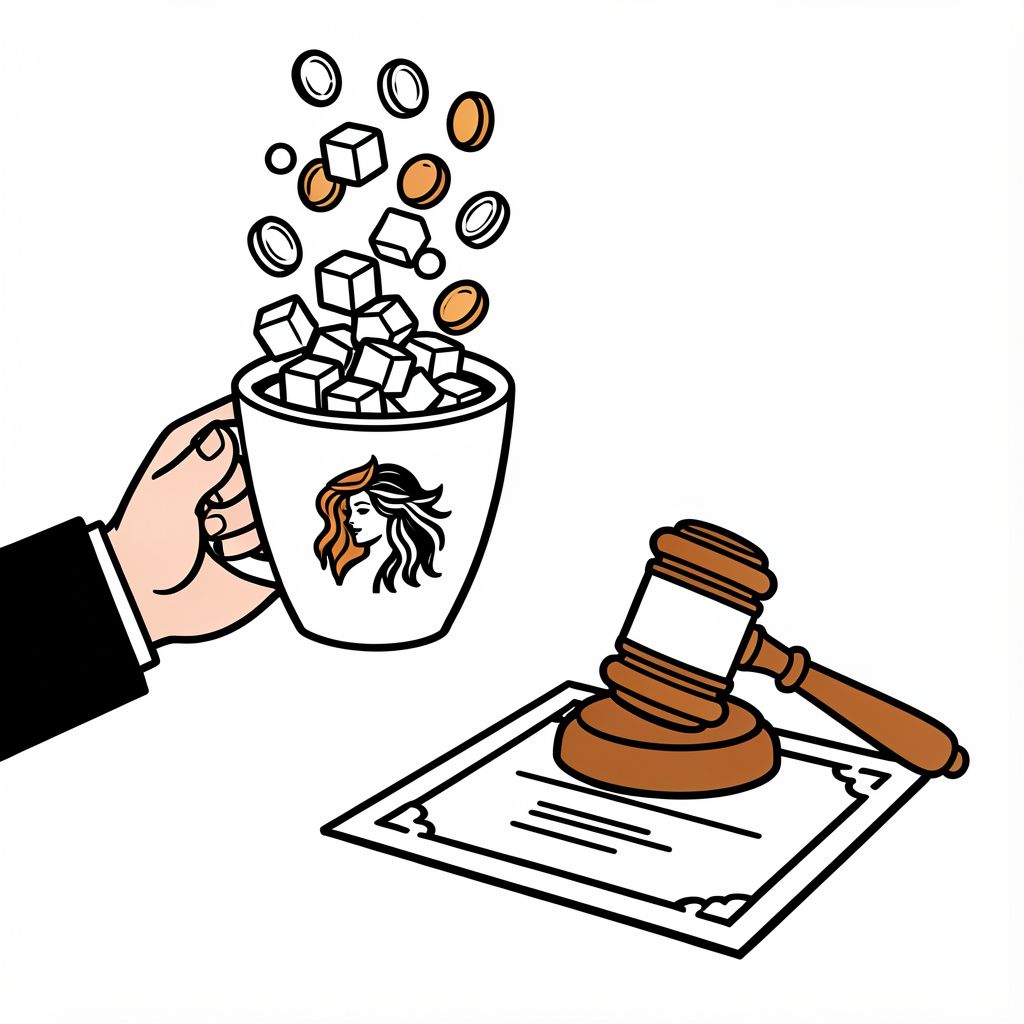
Starbucks faces a class action lawsuit alleging eight ‘sugar-free’ protein drinks contain up to 21 grams of sugar, exceeding the sugar content of popular candy bars.
Legal Challenge Over Beverage Labeling
Starbucks Corporation (NASDAQ: SBUX) is confronting a proposed class-action lawsuit alleging misleading labeling practices regarding its protein beverage line. The federal complaint, filed on Friday, October 2, 2026, in the U.S. District Court for the Western District of Washington, claims that eight specific drinks marketed as ‘sugar-free’ contain substantial amounts of sugar [1][2]. The legal action was initiated by Hagens Berman on behalf of three consumers across California, New York, and Washington, seeking damages and an injunction against the use of the ‘sugar-free’ label on these products [1][4]. This development marks a significant reputational challenge for the coffee giant, which has recently expanded into functional beverages to meet evolving consumer demand [2].
Alleged Sugar Content Discrepancies
According to the filing, the beverages in question contain between 13 and 21 grams of sugar per serving, despite their marketing [1][5]. To contextualize these figures, a standard Reese’s peanut butter cup contains approximately 11 grams of sugar, meaning the maximum sugar content in the Starbucks drinks exceeds the candy by 10 grams [2]. The lawsuit argues that no reasonable consumer would expect a product labeled ‘sugar-free’ to contain sugar levels comparable to or exceeding popular confectionery items [1]. The plaintiffs contend that this discrepancy violates federal labeling regulations and deceives customers who avoid sugar for health reasons such as diabetes management [2][6].
Corporate Response and Defense
In response to the allegations, Starbucks has issued a denial, stating that it does not add sugar to the drinks and utilizes sugar-free syrup for flavoring [1]. The company explains that the sugar content originates from lactose, a naturally occurring sugar found in the protein-boosted milk used in the beverages [3]. A spokesperson emphasized that nutritional content is clearly disclosed across menus, marketing materials, and the Starbucks app, asserting that the claims have no merit [2][4]. The company has committed to vigorously defending itself against the accusations of false and misleading product names [1].
Market Context and Timeline
The protein drink line was introduced by Starbucks in September 2025, aiming to capture market share in the functional beverage sector alongside competitors like Dutch Bros, which launched similar products in 2024 [2]. While Dutch Bros advertises a ‘Zero Sugar Added’ version of its protein latte, Starbucks marketed these specific items directly as ‘sugar-free’ [2]. The lawsuit seeks to halt the use of the label on products containing sugar and demands restitution for U.S. consumers who purchased the drinks [3][7]. As of Wednesday, October 7, 2026, the legal proceedings are ongoing, highlighting increased scrutiny on health-related claims in the retail food industry [3][7].
Sources
- www.nbcnews.com
- abc7ny.com
- www.wsj.com
- www.facebook.com
- www.instagram.com
- www.facebook.com
- www.instagram.com