Why Young Workers in China and the United States View Artificial Intelligence Differently
Beijing, Tuesday, 1 September 2026.
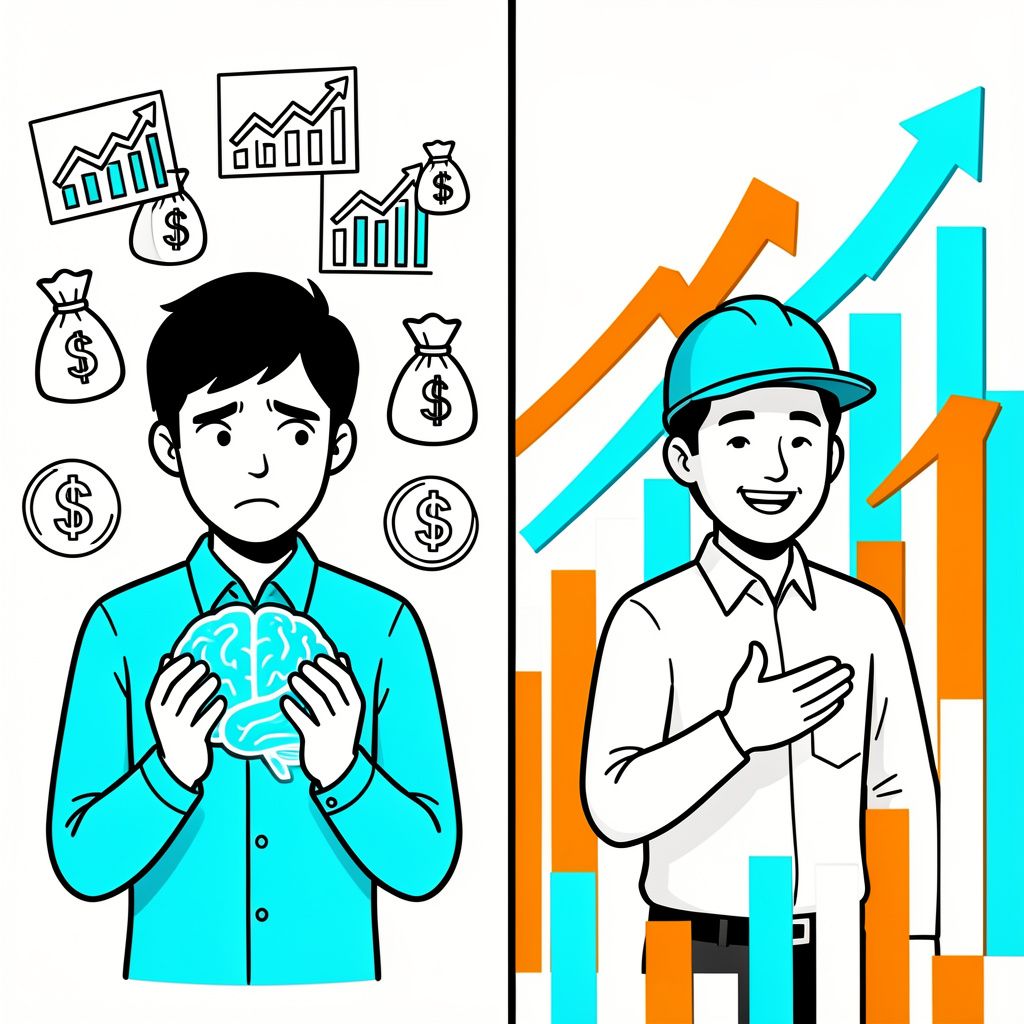
While 73% of young Americans fear artificial intelligence will eliminate jobs, 94% of Chinese Gen Z workers actively use it daily, creating a potential global productivity divide.
The Trans-Pacific Sentiment Gap
A significant divergence in artificial intelligence adoption is emerging between young professionals in the United States and China, potentially dictating future macroeconomic productivity trends. Recent survey data reveals that 73% of young American workers expect AI to eliminate jobs, a figure that has risen from 61% just two years prior in 2024 [1]. This apprehension stands in stark contrast to the sentiment observed across the Pacific, where resistance to technological integration remains minimal among the same demographic cohort [1].
Economic Consequences and Innovation
The economic implications of this sentiment gap are substantial, as employee resistance to teaching AI tools often stems from the perceived risk that productivity gains will lead to layoffs rather than empowerment [1]. A McKinsey survey of 750 global AI-using workers conducted earlier in 2026 revealed approximately 20% of workers reported anxiety regarding AI-related changes in the workplace [1]. Conversely, the environment in China fosters rapid experimentation, exemplified by Zhu Shuhan, a 13-year-old student from Shanghai who developed an AI-powered study app without formal programming skills [3].
Security Behaviors and Future Risks
However, rapid adoption brings security challenges, as Kaspersky research confirms Gen Z is the most active AI user demographic in the Asia Pacific region, with 50% of respondents using AI daily [2]. Despite high usage, security practices among APAC Gen Z are inconsistent, with only 45% consistently applying protective measures when using AI [2]. In China specifically, 60% of respondents report taking precautions only occasionally, highlighting a potential vulnerability as reliance on AI for sensitive tasks increases [2].