Criminal Investigation Opened Into Fed Chair Powell Over Renovation Testimony
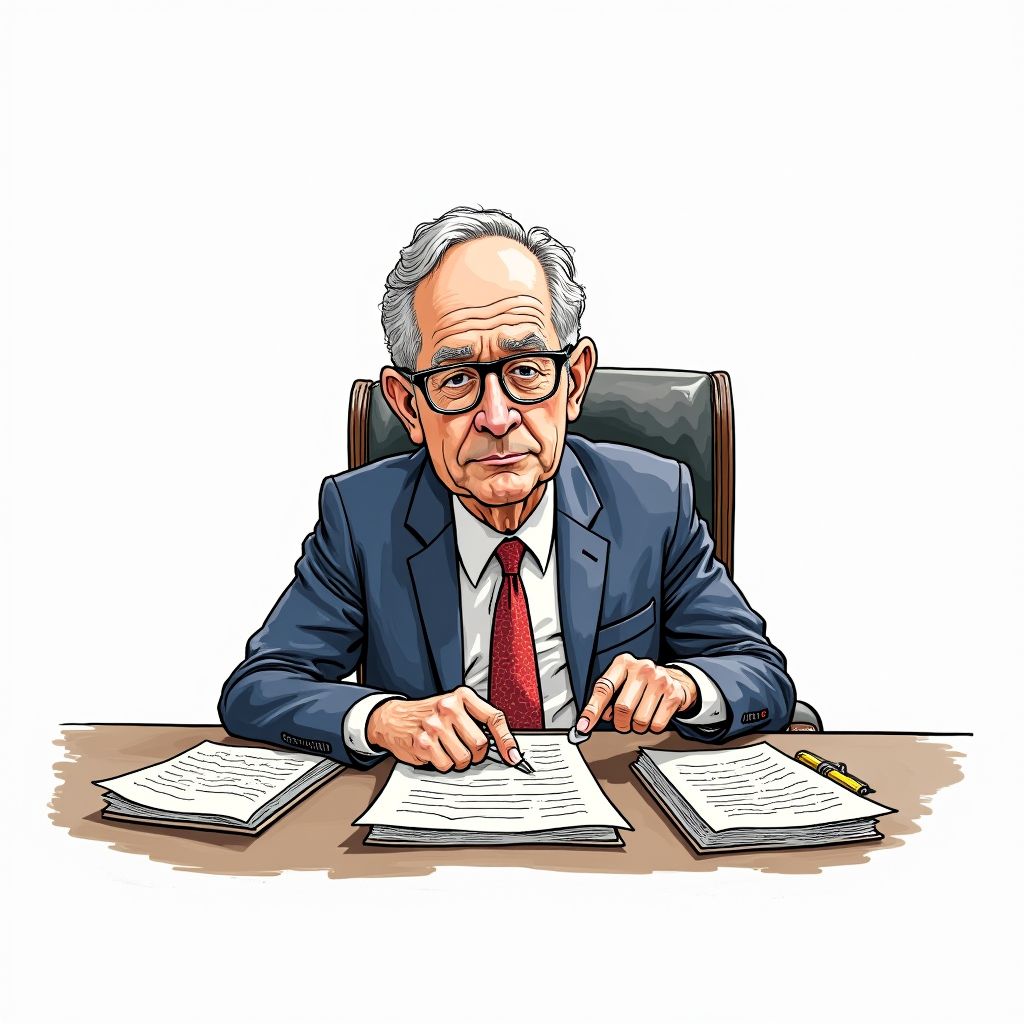
Washington D.C., Monday, 12 January 2026.
In an unprecedented move challenging the Federal Reserve’s independence, U.S. prosecutors have opened a criminal investigation into Chair Jerome Powell. The probe centers on allegations that Powell misled Congress regarding the scope and costs of the central bank’s headquarters renovation. While the inquiry focuses on construction details, Powell contends this legal action is a political pretext used by the Trump administration to pressure the Fed into lowering interest rates, raising critical questions about the future of monetary policy autonomy.
Scope of the Inquiry
The investigation is being spearheaded by the U.S. Attorney’s Office for the District of Columbia, led by Jeanine Pirro, a Trump appointee who reportedly authorized the inquiry in November 2025 [1][7]. According to officials briefed on the matter, the probe focuses on whether Chair Powell provided false testimony to Congress regarding the renovation of the Federal Reserve’s headquarters in Washington, D.C. [1][6]. The Department of Justice served the Federal Reserve with grand jury subpoenas on Friday, threatening a criminal indictment related to testimony Powell delivered before the Senate Banking Committee in June [5]. While the Justice Department has not officially commented on the investigation as of January 12, 2026, the move marks a significant escalation in the tensions between the executive branch and the central bank [4][7].
Renovation Controversies and Rebuttals
At the heart of the legal scrutiny is the multi-year project to renovate the Marriner S. Eccles Building and an adjoining structure on Constitution Avenue [7]. President Trump has frequently criticized the project, characterizing it as a $2.5 billion endeavor marked by incompetence [3][7]. Estimates suggest the project, which began in 2022 and is slated for completion in 2027, is running approximately $700 million above initial cost projections [7]. The investigation specifically examines discrepancies between Powell’s public statements and internal spending records, particularly concerning alleged amenities such as private elevators, VIP dining rooms, and marble fittings [2][7]. During his congressional testimony in June, Powell explicitly denied these inclusions, stating, “There’s no VIP dining room; there’s no new marble… There’s no special elevators” [7].
Monetary Policy Under Pressure
Powell has forcefully pushed back against the investigation, describing the threat of criminal charges as a “pretext” for political intimidation regarding monetary policy [5]. The Chair asserts that the legal pressure is a direct consequence of the Federal Reserve’s refusal to lower interest rates as sharply as the White House demanded [5]. Throughout 2025, the Fed cut rates by a cumulative 75 basis points, a figure significantly lower than the aggressive reductions sought by President Trump [2]. Powell has maintained that these decisions were driven by caution over inflation and the economic impact of administration policies, rather than political preference [2]. In a statement released Sunday, Powell emphasized that the investigation threatens the Fed’s ability to set rates based on economic evidence rather than political coercion [5].
Leadership Transition on the Horizon
This legal confrontation arrives as Powell’s tenure as Federal Reserve Chair nears its conclusion, with his term set to expire in May 2026 [2][7]. President Trump has already signaled his intention to replace Powell, stating in early January that he had decided on a successor [2][3]. Frontrunners for the position include White House economic advisor Kevin Hassett and former Fed governor Kevin Warsh, both of whom have aligned with the President’s calls for lower interest rates [2][3]. While Powell’s term as a governor extends until January 2028, he has not indicated whether he intends to remain at the bank beyond his chairmanship [7]. The outcome of this investigation could significantly influence the transition of power and the central bank’s future independence.
Sources
- www.bloomberg.com
- www.investing.com
- www.nytimes.com
- www.cnbc.com
- www.axios.com
- www.reuters.com
- www.livemint.com