Lawsuit Accuses FanDuel of Using Celebrity Video to Target Addicted Gambler
New York, Friday, 10 July 2026.
A new lawsuit alleges FanDuel used a personalized video from MLB star Bryce Harper to keep an addicted user betting after he wagered $18.5 million.
The Anatomy of a VIP Retention Strategy
The legal battle intensifies as Terry Thompson, a FanDuel customer, has filed a lawsuit against major sportsbooks FanDuel and DraftKings [1]. The legal action alleges that FanDuel and its high-tier VIP services intentionally targeted and preyed upon his severe gambling addiction [1][2][3]. Thompson, who wagered a staggering $18.5 million on the platform, claims he became deeply addicted to gambling through the sportsbook’s rapid, in-game micro-bets [1][2][3]. Despite his escalating addiction, FanDuel VIP manager Bryttanni Morgan allegedly deployed highly aggressive retention tactics to keep him active on the platform [1].
The Role of High-Profile Influencers
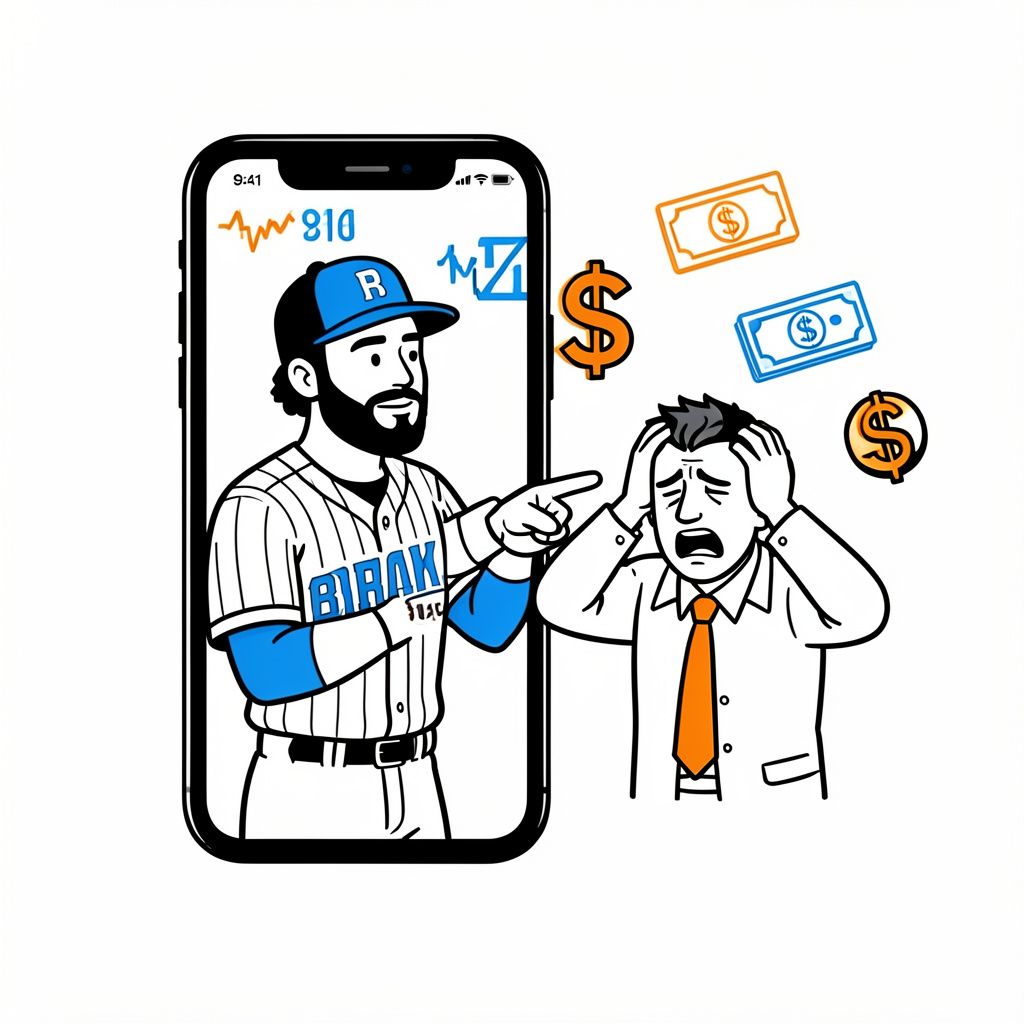
A central piece of evidence in the lawsuit is a 21-second personalized video message from Philadelphia Phillies star Bryce Harper, which was reported by the Philadelphia Inquirer on July 9, 2026 [1][4][5]. In the video, which features a superimposed FanDuel logo, Harper addresses Thompson directly to wish him a happy Thanksgiving, noting that his FanDuel host, Bryttanni, wanted to make his holiday extra special [1][5]. While Harper is not accused of any wrongdoing and was reportedly unaware of Thompson’s gambling addiction or betting history [2], the video illustrates how celebrity endorsement power can be leveraged in VIP retention strategies [1][2][3].
The Financial and Psychological Toll of VIP Perks
The relationship between Thompson and his VIP host went far beyond a single holiday greeting. According to the lawsuit, Morgan frequently communicated with Thompson via text message, sharing personal details and offering premium perks, including tickets to major sporting events such as two Super Bowls [1]. These incentives were designed to maintain high-volume wagering, even as Thompson’s financial situation deteriorated [1][3]. Out of the $18.5 million wagered, Thompson suffered net losses of $1.5 million, representing a loss rate of approximately 8.108% of his total handle [1].
The Crisis Point
To cover these massive losses, Thompson was forced to take out second and third mortgages on his home [1][3]. The psychological toll of his addiction eventually reached a crisis point when he texted his therapist about an intent to harm himself, prompting police to perform a welfare check at his home [1]. Thompson has since entered a psychiatric facility to undergo intensive treatment for gambling addiction [1][3]. This extreme case highlights the dark side of VIP programs, which critics argue function similarly to predatory sales tactics by keeping vulnerable individuals hooked [1].
The Intersection of Celebrity, Commerce, and Compliance
The involvement of a high-profile athlete like Bryce Harper, even indirectly, raises intense questions about the ethical boundaries of sports betting marketing [1][3]. While Major League Baseball (MLB) rules do not prohibit players from signing endorsement deals with casinos or sportsbooks—provided they do not promote betting on baseball [1]—the mechanics of how this video was obtained remain unclear [1]. While Harper’s agent, Scott Boras, declined to comment [1], industry observers note that the video may have been purchased directly through Harper’s Cameo profile [1][6] and subsequently branded with the FanDuel logo by the VIP host [1].
The Broader Impact on the Industry
This case comes at a time of growing public and regulatory concern regarding the sports betting industry. Social media commentary and industry reports indicate that only 39% of Americans view gambling addiction as a serious problem, despite the fact that an estimated 30% of individuals struggling with gambling addiction experience severe psychological distress [4]. As sports gambling becomes deeply integrated into American professional leagues and players’ associations [1][3], this lawsuit may serve as a catalyst for stricter federal and state oversight of mobile sportsbooks’ VIP retention programs [GPT].