Why Beverage Startups Must Master Distribution Before Formulation to Survive
New York, Tuesday, 3 November 2026.
With 95% of new consumer packaged goods failing after their first retail cycle, Fast Moving Consumer Goods expands nationwide accelerator programs to help emerging beverage brands beat the odds.
The Brutal Math Behind Beverage Startups
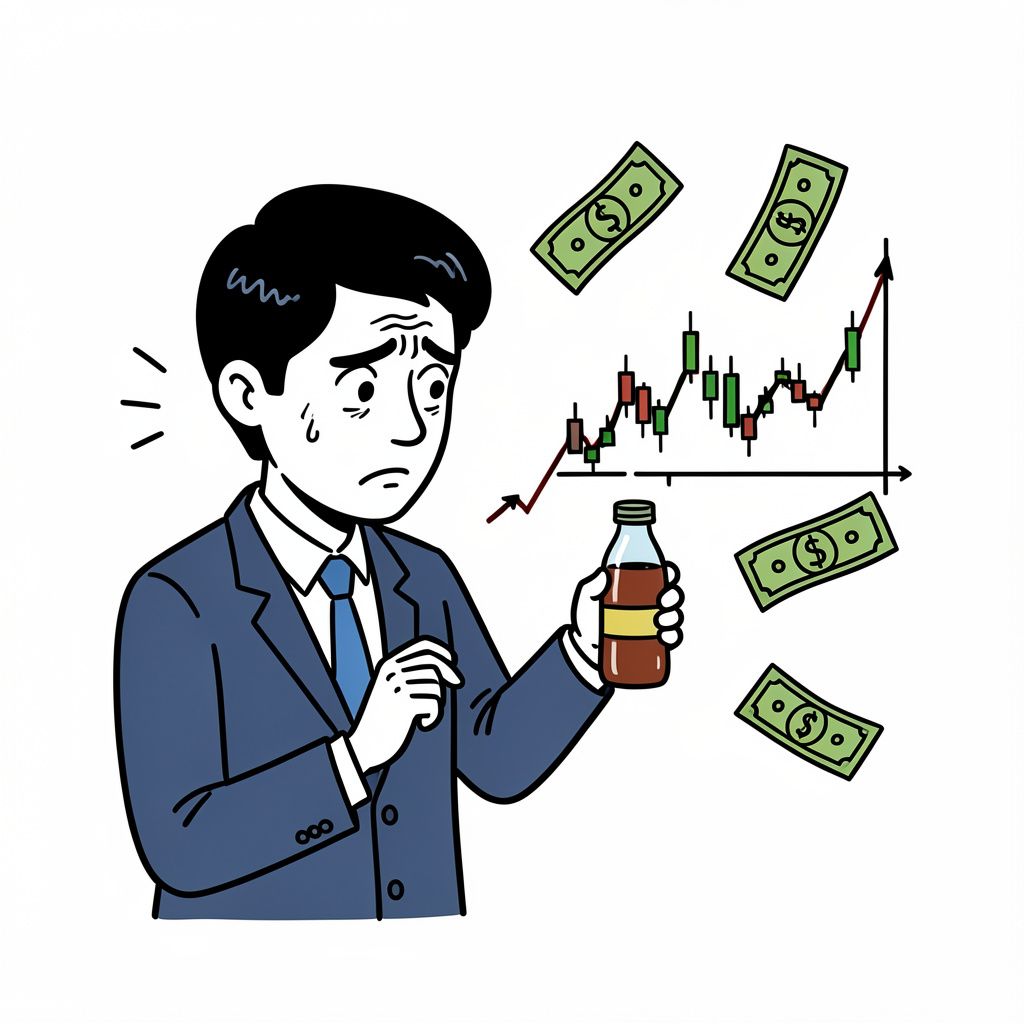
The odds are stacked against beverage startups before they even begin production. Data from Fast Moving Consumer Goods, Inc. (OTC: GGII) reveals that only 5% of new consumer packaged goods (CPG) products survive beyond their first retail cycle, a statistic that underscores the critical importance of strategic planning over product formulation alone [1][2]. Industry projections further complicate the landscape: the global functional beverage market is expected to reach $277 billion by 2033, yet startup costs for these ventures range from $15,000 to $75,000, with minimum order quantities spanning 1,000 to 10,000 cases [1]. The timeline from concept to first retail sale typically spans 6 to 18 months, a period during which untested assumptions about market fit can derail even the most promising formulations [1].
Distribution as the Foundation of Brand Survival
Fast Moving Consumer Goods, Inc. (GGII) has positioned itself at the forefront of addressing these challenges through targeted education programs. The company’s CPG Brand Builder Series, launching November 5, 2026, represents a deliberate departure from traditional accelerator models that emphasize product development over market strategy [1]. Sandro Piancone, CEO of Fast Moving Consumer Goods, emphasizes this paradigm shift in his framing of the program: ‘The founders who win are the ones who understand the system before they spend their first dollar on formulation’ [1]. This philosophy aligns with industry evidence suggesting that distribution mastery—not recipe innovation—often determines which brands achieve scale [4]. The 12-week webinar series, hosted every Thursday at 4:00 PM PST / 7:00 PM EST via Zoom through January 21, 2027, will leverage the company’s incubator portfolio, including brands like Calmara Beverages and The Eye Drink, as case studies for operational frameworks [1].
A Dual-Track Approach for Beverage and Spirits Segments
Recognizing the distinct challenges facing functional beverages versus spirits brands, Fast Moving Consumer Goods has bifurcated its accelerator initiatives. The functional beverage track focuses on scaling established products through nationwide retail distribution channels, while the spirits platform targets direct-to-consumer expansion and retail visibility [2]. This dual-track strategy reflects a nuanced understanding of market dynamics: functional beverages often rely on retail partnerships for mass-market penetration, whereas spirits brands may achieve initial traction through premium on-premise accounts or e-commerce before pursuing broader distribution [2][3]. The spirits webinar series, scheduled for November 5, 2026, at 6:00 PM EST / 3:00 PM PST, will address critical pain points such as TikTok marketing integration, public relations strategies, and monthly strategic planning sessions for emerging brands [2]. Sandro Piancone’s observation that ‘many emerging spirit brands struggle because they focus exclusively on product creation and underestimate the importance of distribution’ encapsulates the core challenge these programs aim to solve [2].
Real-World Validation Through Industry Events
The strategic focus on distribution over formulation found tangible expression at the SoCal Cocktail & Spirits Fest 2026, held November 1, 2026, at Gillette House in Irvine, California [3][4]. Fast Moving Consumer Goods sponsored the event, which brought together industry leaders including SIP Awards founder Paul Hashemi and representatives from Waterloo Gin, Status Wines, and Matiari Tequila [3]. The festival’s emphasis on connecting brands with enthusiasts, buyers, and industry professionals underscores the critical role of face-to-face networking in securing distribution partnerships [3][4]. DJ Doc, host of the ‘Straight Talk with DJ Doc’ podcast platform, noted during the event that ‘consumers continue to seek authentic experiences and premium products, creating valuable opportunities for brands to connect directly with enthusiasts and industry professionals’ [3][4]. This sentiment aligns with the accelerator programs’ focus on practical, systems-based growth strategies rather than isolated product development [1][2].
Proven Frameworks for Scaling Without the Spray-and-Pray Approach
The beverage industry’s cautionary tale about scaling prematurely is exemplified by the ‘spray across 50 states and pray’ methodology, which Destino Beverage Consulting explicitly warns against in its October 31, 2026, Instagram post [5]. Instead, the consultancy advocates a sequenced approach: launching in select markets first, evaluating distributor performance based on sell-through metrics, and securing reorders before expanding nationally [5]. This strategy typically achieves national distribution within 18 months when executed properly [5]. Fast Moving Consumer Goods’ accelerator programs incorporate these principles directly into their curriculum, teaching founders to treat national distribution as ‘the result, not the plan’ [1][2][5]. The company’s LinkedIn community, which boasts over 45,000 members, serves as an additional resource for peer learning and industry relationship-building [2].
Registration and Program Accessibility
Both accelerator initiatives are open for registration at https://go.fmcgstock.com/webinar for the CPG Brand Builder Series and https://go.fmcgstock.com/webinar-spirit-brand for the spirits webinar track [1][2]. Replays of the spirits-focused sessions will be available on YouTube at https://www.youtube.com/@FastMovingConsumerGoodsInc, ensuring accessibility for founders across different time zones [2]. The programs’ free-to-attend model reduces financial barriers to entry, while their structured 12-week format provides the consistency needed for founders to implement learned strategies within realistic timelines [1][2].
Sources
- www.newswire.com
- www.newswire.com
- www.stocktitan.net
- finance.yahoo.com
- www.instagram.com
- www.newswire.com
- www.newswire.com
- www.instagram.com
- www.facebook.com