Economic Shifts Threaten Republican Senate Majority Ahead of 2026 Midterms
Washington, Thursday, 30 April 2026.
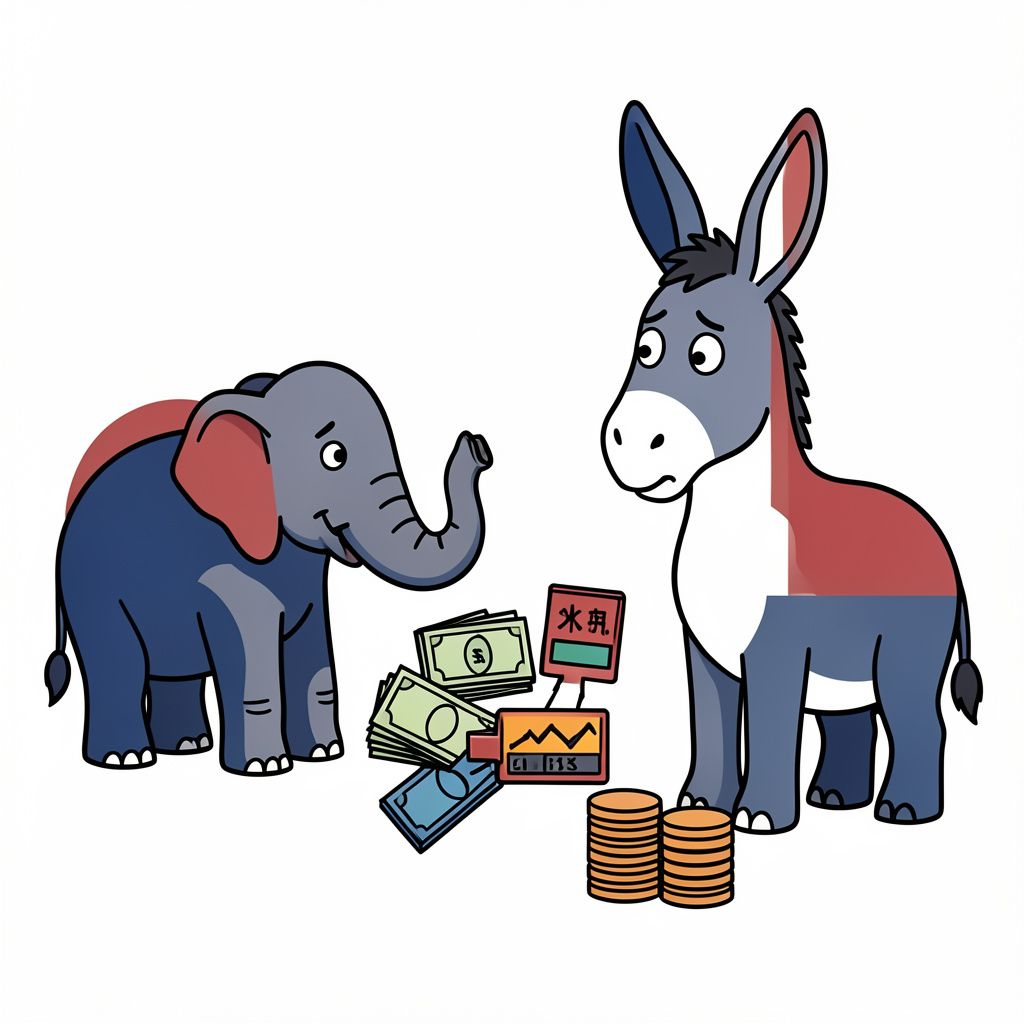
Internal polling reveals a historic shift: voters now trust Democrats more on the economy. This vulnerability over the cost-of-living crisis severely threatens the Republican Senate majority in 2026.
The Data Behind the Warning
An internal memorandum issued by the powerful Koch-aligned super PAC, Americans for Prosperity Action (APA), has starkly outlined the precarious position of the Republican party ahead of the November 2026 midterms [2]. Shared recently with media outlets, the document features a direct warning from AFP senior adviser Emily Seidel and Executive Director Nathan Nascimento [1][2]. The conservative strategists explicitly stated that the Republican Senate majority is currently at risk [2]. This assessment is heavily driven by internal polling conducted across several battleground states, supplemented by direct conversations with voters [2]. According to the APA leadership, these internal metrics reveal a significant paradigm shift: for the first time, the electorate places more trust in Democrats to handle the economy and inflation [2].
Strategic Pivot Toward Cost of Living
In response to these alarming internal figures, the APA is urging conservative lawmakers to drastically recalibrate their campaign messaging [1][2]. The super PAC’s directive emphasizes a relentless focus on reducing costs for working families [2]. The memorandum insists that every legislative fight, floor speech, and campaign event must center on actionable solutions to lower the cost of living [2]. This strategic pivot aligns with historical data from the 2024 presidential race, where voters overwhelmingly identified living expenses as their primary concern [2].
Legislative Implications and Down-Ballot Risks
The potential electoral fallout extends beyond the Senate. Analysts and internal party data suggest it appears almost certain that Democrats will retake the House of Representatives in the upcoming November 2026 elections [2]. The simultaneous loss of both congressional chambers would represent a formidable barrier to the Republican legislative agenda [2]. For the financial sector and corporate leadership, a divided or fully Democrat-controlled Congress would likely stall existing executive policies and introduce substantial gridlock regarding future fiscal and regulatory frameworks [GPT].