Ukraine Energy Crisis Deepens as DTEK CEO Calls for Targeted Ceasefire
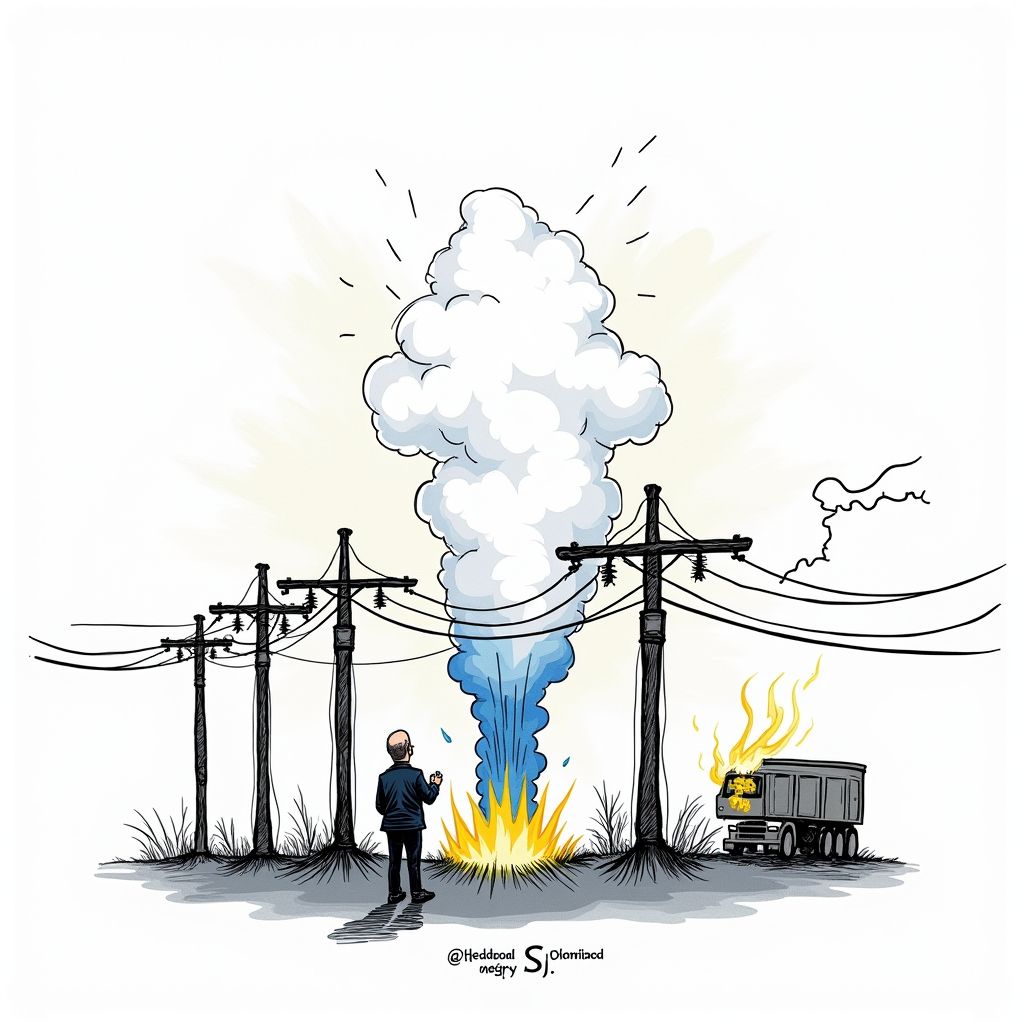
Kyiv, Friday, 23 January 2026.
With temperatures hitting -20°C and over 1,000 frostbite cases reported, Ukraine’s top power executive warns of imminent grid collapse, asserting that any peace negotiations must prioritize a specific energy ceasefire.
Humanitarian Crisis Amidst Diplomatic Efforts
While recent diplomatic signals suggest that [peace negotiations are coalescing around a single issue][6], the situation on the ground in Ukraine has deteriorated into a fight for survival. On Friday, January 23, Maxim Timchenko, the CEO of DTEK, Ukraine’s largest private power producer, declared that any future peace deal must explicitly include a halt to attacks on energy infrastructure [1]. Timchenko warned that the country is nearing a “humanitarian catastrophe” as the conflict enters its fourth winter and the grid faces total collapse [1]. This demand for an “energy ceasefire” comes as the physical toll on the population mounts; with temperatures plummeting to between -15 and -20 degrees Celsius [1], the Ukrainian health ministry reports that over 1,000 citizens have been hospitalized with frostbite and hypothermia in the last 30 days [2][4].
Infrastructure on the Brink
The scale of the devastation has forced the country into what Timchenko describes as “survival mode” [2]. As of January 22, the European Commission reported that over one million Ukrainians remained without electricity, water, or heating [4]. In the capital of Kyiv alone, approximately 4,000 buildings were left without heat following Russian strikes earlier in the week [2][4]. The structural damage to the grid is extensive; DTEK reports losing 60% to 70% of its generating capacity due to the sustained “energy terror” campaign Russia began in October 2025 [1]. To manage the severe deficit, dispatchers have been forced to implement emergency power outages, resulting in grueling cycles where residents endure 10 to 15 hours without power followed by only 3 to 4 hours of supply [1].
Systemic Vulnerabilities and Financial Costs
The crisis is exacerbated by the inherent design of Ukraine’s energy architecture. The grid relies heavily on a centralized, Soviet-era system that was historically integrated with Russia and Belarus, making it a static and vulnerable target compared to modern decentralized networks [5]. Furthermore, repair efforts are being hampered by “double-tap” strikes—a tactic where a target is hit a second time to target emergency responders and repair crews [5]. The financial implications for stabilizing this sector are immense; estimates for rebuilding the energy sector currently stand at $65 billion to $70 billion, with U.S. asset manager BlackRock emerging as a key player in designing the reconstruction framework [1].
Emergency Aid and Strategic Shifts
In response to the escalating emergency, the European Commission deployed 447 emergency generators worth €3.7 million from its strategic reserves on January 22 to power hospitals and critical services [4]. This shipment adds to the 9,500 generators the EU has already supplied since the war began [4]. However, Timchenko argues that physical aid must be paired with a strategic overhaul, asserting that Ukraine cannot wait for a peace treaty to begin building a “new energy system” based on decentralized generation like solar and storage [1]. As U.S. negotiators led by Steve Witkoff concluded overnight talks with President Putin on the morning of January 23 [4], the stability of Ukraine’s grid remains a critical variable in the geopolitical equation. With the system currently operating at the limit of its capacity [3], the proposed energy ceasefire represents a necessary precondition for preventing a complete humanitarian disaster.
Sources
- www.reuters.com
- www.euronews.com
- www.pravda.com.ua
- ca.news.yahoo.com
- www.independent.co.uk
- wsnext.com