House Panel Subpoenas Attorney General Bondi Amid Disputes Over Missing Epstein Records
Washington D.C., Wednesday, 4 March 2026.
A bipartisan coalition voted to subpoena Attorney General Bondi regarding the Epstein investigation, citing missing evidence like videos and logs despite mandates for full transparency.
Bipartisan Frustration Mounts Following Clinton Testimony
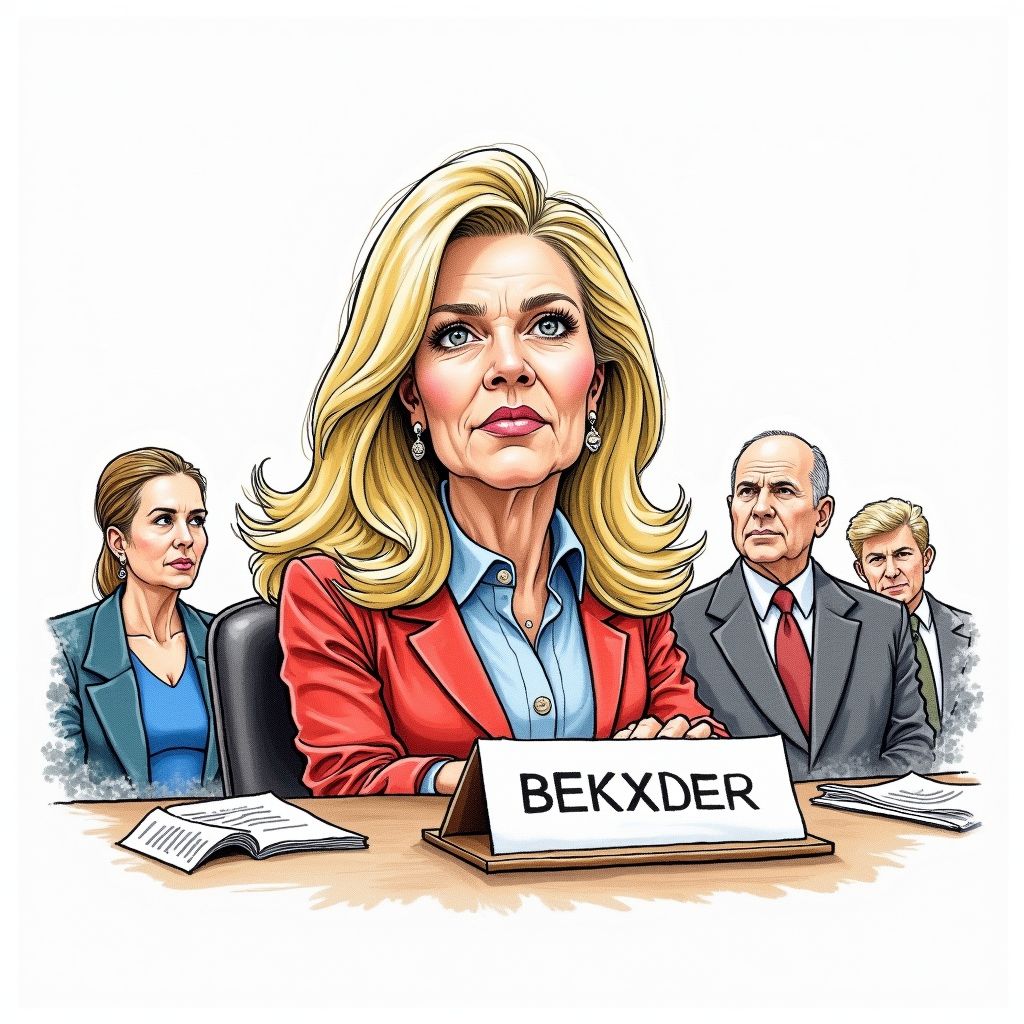
The decision to compel Attorney General Pam Bondi’s testimony marks a sharp escalation in the House Oversight Committee’s probe, occurring shortly after Former President Bill Clinton’s historic deposition regarding his own connections to the late financier. While the former president denied knowledge of illicit activities during his closed-door session, the committee’s focus has now shifted aggressively toward the Department of Justice’s (DOJ) adherence to transparency mandates. On Wednesday, March 4, the Republican-led panel voted 24-19 to subpoena Bondi, a move driven by a bipartisan coalition that saw Democrats joined by five Republicans [1][2][3]. Representative Nancy Mace (R-S.C.) initiated the motion during a hearing originally scheduled for unrelated matters, successfully rallying GOP colleagues Tim Burchett (Tenn.), Michael Cloud (Texas), Lauren Boebert (Colo.), and Scott Perry (Pa.) to vote alongside Democrats [1][2][3].
Allegations of Withheld Evidence
At the heart of the subpoena is the contention that the DOJ has failed to comply with the Epstein Files Transparency Act, a law passed last year requiring the public release of all investigative files [1][3]. While approximately three million documents have been released, Representative Mace argues that the disclosure remains incomplete [3]. “The record is clear: they have not [released all files],” Mace stated, specifically alleging that critical evidence—including videos, audio recordings, and logs—remains missing from the public record [3]. Critics from both parties further contend that the materials released thus far are “overly redacted,” impeding a full accounting of the investigation into the convicted sex offender [1].
Executive Pushback and Expanding Scope
The dispute highlights a significant gap between legislative expectations and bureaucratic execution. Prior to the vote, Oversight Chairman James Comer attempted to mediate the standoff, informing the committee that he had communicated with the Attorney General’s chief of staff [1]. Bondi had reportedly offered to provide members with a briefing on the files in smaller groups rather than a public hearing, a concession that ultimately failed to forestall the subpoena [1]. The investigation’s scope continues to widen beyond the Department of Justice; on Tuesday, the committee announced that Commerce Secretary Howard Lutnick agreed to appear before the panel at a future date, alongside requests for voluntary testimony from seven other individuals [1].