Persistent Inflation and Energy Costs Push American Economic Sentiment Near Record Lows
Washington, Thursday, 30 July 2026.
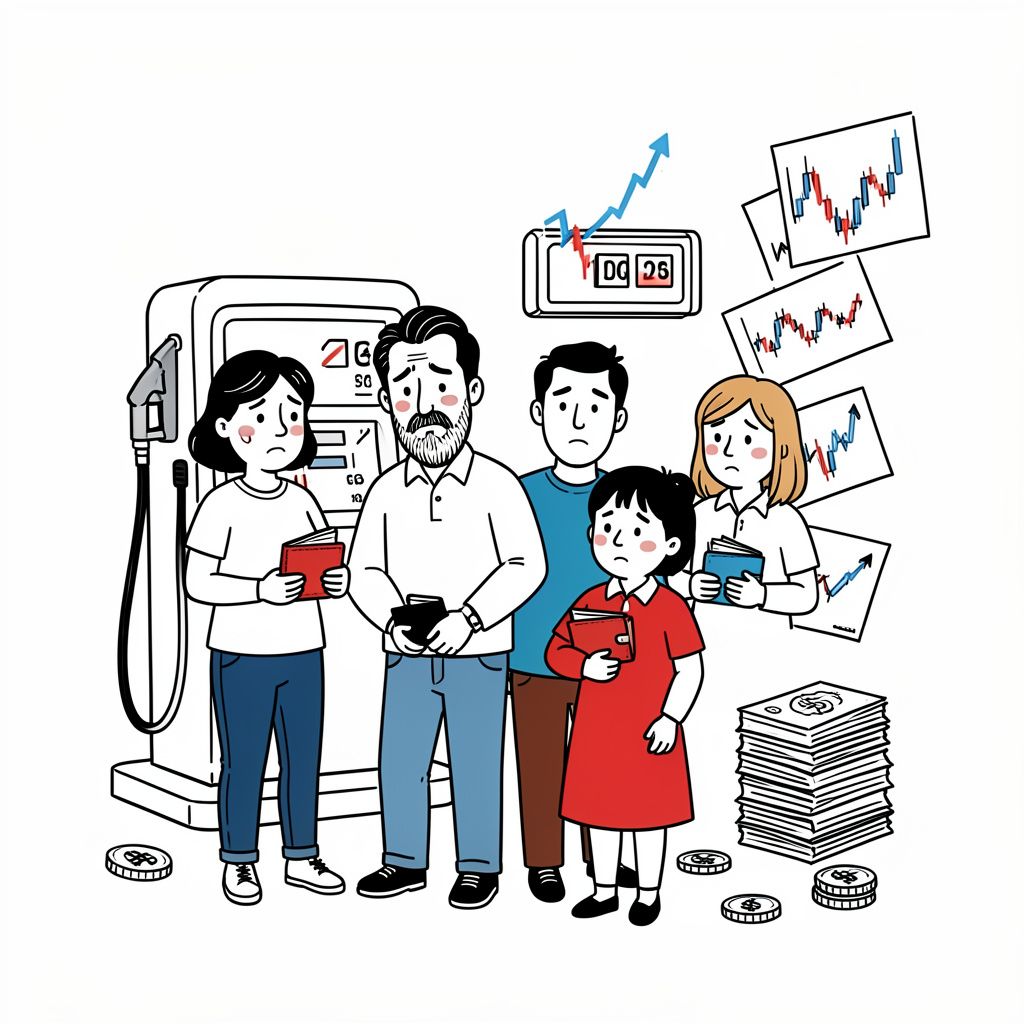
Escalating fuel prices from ongoing Middle East conflicts pushed U.S. economic pessimism to 77% in July 2026, posing significant risks for consumer spending and policymakers.
Consumer Sentiment Reverses Previous Gains
New polling data released in July 2026 indicates a sharp decline in American economic optimism, with 77% of respondents rating the national economy poorly [1]. This negative sentiment is corroborated by The Conference Board, which reported its consumer confidence index fell to 90.8 in July 2026, a decrease from the revised 92.2 recorded in June 2026 [3]. This drop represents a 1.4 point decline, marking the third consecutive month of declining sentiment [3]. Gallup’s Economic Confidence Index also reflects this pessimism, settling at -31 in July 2026, although this is an improvement from the -45 low seen in May 2026 [2]. Despite the slight monthly improvement in some metrics, the broader trend remains deeply negative, with 67% of Americans believing the economy is getting worse [2]. The convergence of these major polling organizations underscores a pervasive lack of confidence among households regarding current financial conditions [1][2][3].
Inflation and Energy Costs Drive Dissatisfaction
The primary driver of this economic dissatisfaction is persistent inflationary pressure, specifically within the energy and food sectors [1]. Inflation rose to 3.5% in June 2026, which is a decrease from the 4.2% rate recorded in May 2026, representing a 0.7 percentage point improvement that has failed to alleviate consumer strain [1]. A significant factor cited is the ongoing conflict in Iran, which began in February 2026 and has led to energy price hikes and supply chain disruptions [1]. National average gas prices exceeded $4.00 per gallon during the two weeks leading up to July 22, 2026, directly impacting household budgets [3]. Furthermore, 66% of Americans find groceries unaffordable, a significant increase from 45% prior to the conflict [1]. These tangible costs are translating into political pressure, with 88% of voters identifying inflation as a serious problem [1].
Political Implications Ahead of Midterms
As the November 2026 midterm elections approach, the economic outlook presents a significant challenge for incumbent leadership [1]. Disapproval of President Donald Trump’s economic management has reached record highs, with 70% of Americans disapproving of his performance [1]. Historical data suggests the sitting U.S. president’s party has lost House seats in eight of the last 10 midterm elections, a trend that current sentiment may reinforce [3]. While Gallup notes a slight improvement in confidence among Republicans and independents, Democrats remain deeply pessimistic with a confidence score of -76 [2]. Future economic outlooks remain dependent on energy costs, with potential for rising fuel prices to test consumer sentiment into the fall of 2026 [2]. Policymakers face a complex environment where fiscal policies and geopolitical shocks continue to influence the pocketbook psyche of the American voter [3].