Historic Iwo Jima Monument Severely Damaged in Late-Night Sledgehammer Attack
Quantico, Saturday, 24 October 2026.
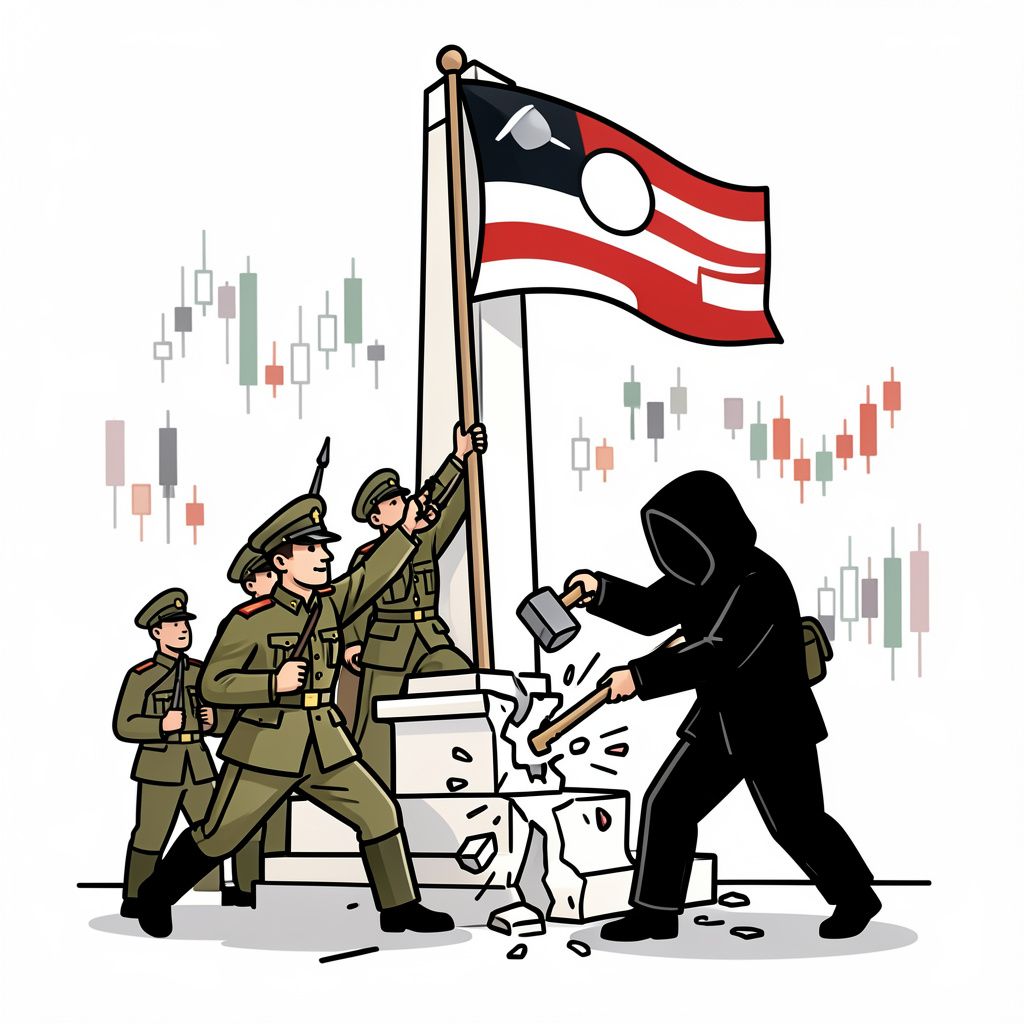
Authorities arrested a suspect caught actively beheading Virginia’s historic Iwo Jima monument with a sledgehammer, inflicting hundreds of thousands of dollars in damage to the iconic military landmark.
Vandalism and Arrest Timeline
Federal and local authorities arrested Miguel Alonso Maldonado Soriano, 27, on October 22, 2026, for severely vandalizing the Iwo Jima Memorial in Quantico, Virginia, using a sledgehammer to decapitate one of the bronze figures and inflict additional damage to the historic monument [1][2][3][4][5][6]. Prince William County police reported that Maldonado Soriano was still actively damaging the statue when officers arrived at approximately 10:13 p.m. on October 21, 2026 [2][3][4][5][6]. The suspect, described as an undocumented immigrant from Mexico who entered the U.S. illegally in 1999, was charged with felony destruction of property, trespassing with intent to damage property, and felony injury to a monument [1][2][3][4][5][6].
Extent of Damage and Monument Significance
The attack caused hundreds of thousands of dollars in damage to the limestone monument, which depicts U.S. Marines raising the American flag on Iwo Jima during World War II [2][3][4][5][6]. Police noted that, in addition to removing one figure’s head, other parts of the statue were damaged, including the bayonet of a rifle and the helmet and face of another figure, which were chipped and gouged [3][4][6]. The Iwo Jima Memorial in Quantico is a smaller replica of the iconic bronze monument in Arlington, Virginia, sculpted by Felix de Weldon, who was inspired by Associated Press photographer Joe Rosenthal’s 1945 image of the flag-raising on Mount Suribachi [GPT][3][4][5][6].
Immigration Status and Political Fallout
Maldonado Soriano had been granted Deferred Action for Childhood Arrivals (DACA) status by the Obama Administration in 2014, which was renewed under the Biden Administration but expired in August 2026 [1][4][6]. The Department of Homeland Security (DHS) issued a statement condemning the attack and emphasizing the suspect’s immigration status, with DHS Secretary Markwayne Mullin asserting that the vandalism was carried out by an individual who had “zero respect for our country and our values” [1]. The incident has ignited political scrutiny over federal monument security and immigration enforcement policies, with Mullin stating that “criminals like this who clearly hate America have no business being in our country” [1].
Restoration Efforts and Public Reaction
The Marine Corps War Memorial Foundation confirmed that it is coordinating rapid restoration and preservation efforts to repair the damaged landmark, with experts already consulting on the challenging repair process [GPT][2]. The foundation has launched a fundraising effort to support these efforts, as the memorial holds significant historical and cultural value for veterans and the public alike [2]. Keil Gentry, Director of the National Museum of the Marine Corps, described the monument as a site where “generations of promotions and commissionings and retirements and re-enlistments” have taken place, underscoring its importance to the Marine Corps community [3]. Local residents, such as Frances Buyers, whose father served in World War II, expressed shock and sadness over the vandalism, emphasizing the statue’s personal significance [3].
Sources
- www.dhs.gov
- www.washingtonpost.com
- www.nbcwashington.com
- www.militarytimes.com
- www.fox5dc.com
- www.facebook.com