South Korea’s Record Chip Bonuses Spark Inflation Alarm at Central Bank
Seoul, Monday, 22 June 2026.
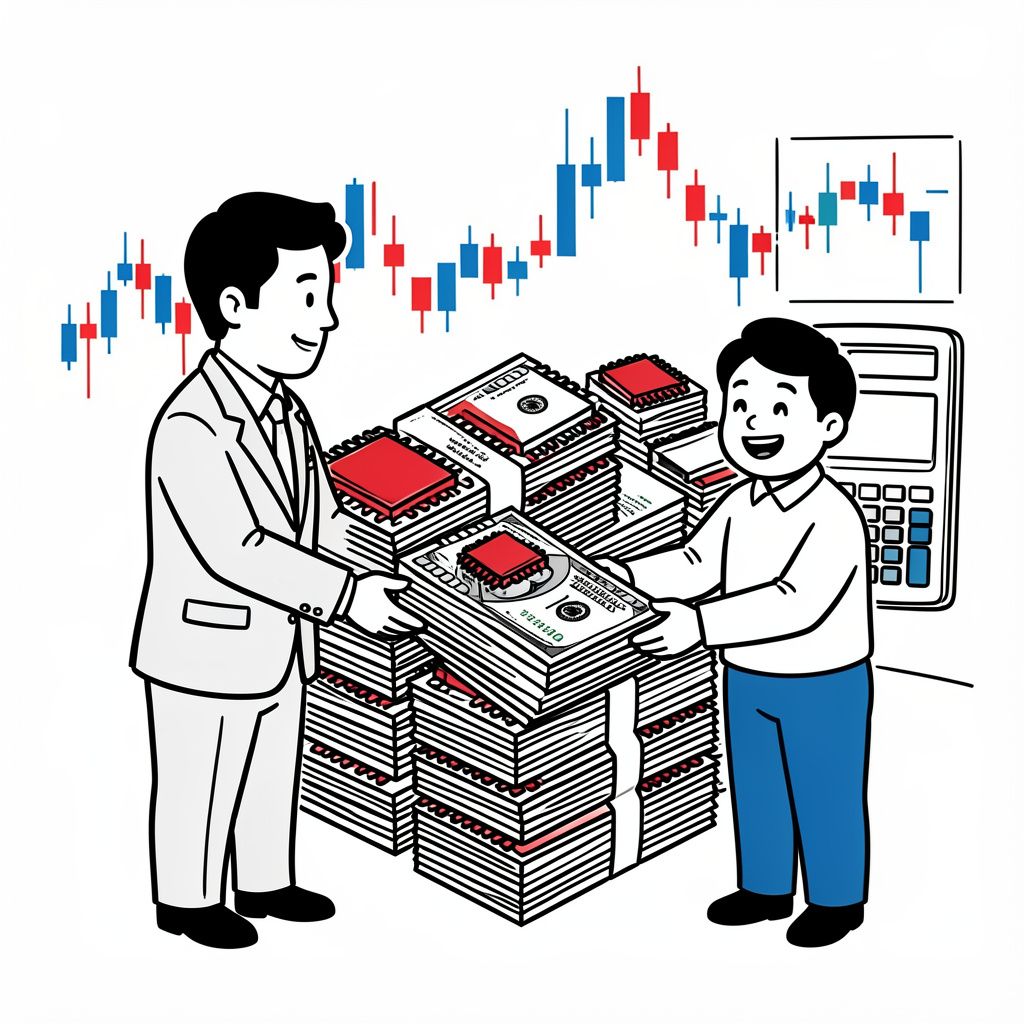
South Korea’s central bank warns that massive semiconductor worker bonuses—averaging $410,000 per employee—could fuel a wage-price spiral, threatening economic stability. With chip exports driving 20% of the nation’s trade, policymakers face a high-stakes dilemma: curb inflation without choking a booming industry.
Semiconductor Bonuses Reach Record Levels
South Korea’s semiconductor industry has distributed unprecedented performance bonuses to its workforce, with Samsung Electronics allocating 10.5% of its semiconductor arm’s operating profits for performance-based payments. The recent union deal, mediated by the South Korean government, resulted in average bonuses of $410,000 per worker at Samsung Electronics [3]. Meanwhile, SK Hynix employees are poised to receive bonuses exceeding 700 million won ($454,851) if the company achieves its annual profit target of 250 trillion won [3]. These figures represent a significant increase from previous years, reflecting both the industry’s profitability and the critical role of semiconductor exports in South Korea’s economy, which account for nearly 20% of total exports [1][3].
Central Bank Warns of Wage-Price Spiral
The Bank of Korea (BoK) has raised alarms about the potential inflationary impact of these massive bonuses, identifying two primary transmission channels. First, the cost channel: higher wages increase production costs, which may be passed on to consumers through higher prices [1][7]. Second, the demand channel: increased household income from bonuses could boost consumption, further fueling inflation [1][7]. Governor Rhee Chang-yong warned on 20 June 2026 that inflationary pressures could persist, with the central bank forecasting South Korea’s inflation for the second half of 2026 to hover around 3%, exceeding the 2% target [5]. Core inflation is expected to remain in the mid-to-high 2% range, driven by high oil prices, wage increases, and semiconductor-driven demand [5].
Export Boom and Economic Indicators
The semiconductor sector’s robust performance is evident in South Korea’s export figures. For the first ten days of June 2026, semiconductor exports more than tripled year-on-year, reaching $28.635 billion and marking an 85.9% increase compared to the same period in 2025 85.893 [6]. This surge underscores the industry’s pivotal role in the nation’s economic recovery. However, the Bank of Korea is closely monitoring how this export boom spills over into consumer sentiment and business confidence. Key economic indicators scheduled for release this week include export figures (22 June), the Consumer Sentiment Survey (23 June), the Financial Stability Report (24 June), and the Business Survey Index and Economic Sentiment Index (25 June) [6]. These data points will be crucial in assessing whether the semiconductor-driven growth is sustainable or if it risks overheating the economy.
Policy Dilemma: Balancing Growth and Stability
The central bank faces a delicate balancing act: curbing inflation without stifling growth in a sector that is vital to South Korea’s economy. While the BoK has ruled out a ‘big step’ 0.50 percentage point rate hike—calling it a measure reserved for times of severe market stress—it has signaled a continued tightening stance [5]. The upcoming Financial Stability Report, set to be published on 24 June 2026, will assess critical factors such as inflation, the elevated won-dollar exchange rate (hovering around ₩1,500 or approximately $0.98), and real estate market trends [6]. These elements will inform the BoK’s policy decisions in the coming months, particularly as it prepares for a likely rate hike in July 2026, following the U.S. Federal Reserve’s hawkish hold [4].
Broader Economic Implications and Labor Market Dynamics
The debate over semiconductor worker bonuses extends beyond inflation concerns. South Korean Labor Minister Kim Young-hoon has advocated for broader profit-sharing, suggesting that the benefits of the AI boom should extend to suppliers and local communities [3]. This perspective highlights the collective effort behind the tech industry’s achievements. Meanwhile, Nvidia CEO Jensen Huang’s statement that ‘people should be paid as much as possible’ reflects a broader industry sentiment, emphasizing the value of high-skilled labor in driving technological advancements [3]. However, the concentration of wealth in the semiconductor sector raises questions about income inequality and its long-term economic effects. As South Korea navigates this complex landscape, the central bank’s policy adjustments will be closely watched by global markets, given the country’s status as a key player in the semiconductor industry [GPT].