Healthcare Providers Get Until 2027 to Meet New Website Accessibility Rules
Washington, Monday, 25 May 2026.
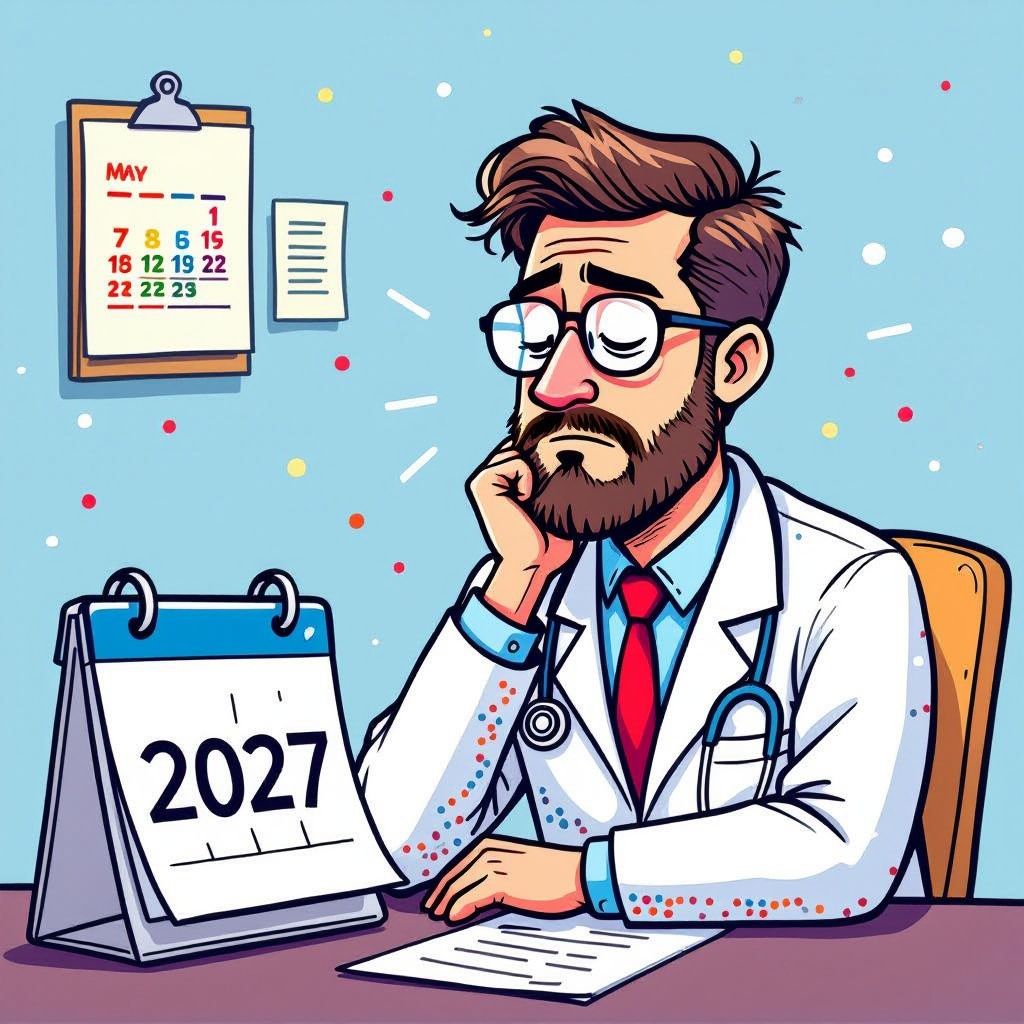
A last-minute ruling gives healthcare providers until May 2027 to upgrade digital platforms for accessibility, offering a vital reprieve from immediate compliance penalties.
The Regulatory Shift and New Timelines
Under the newly implemented policy issued on May 7, 2026, by the HHS Office for Civil Rights (OCR), the original compliance deadline of May 11, 2026, has been officially bypassed [1]. The Interim Final Rule establishes that healthcare providers with 15 or more employees now have until May 11, 2027, to conform to the required digital standards, while smaller practices receive an extension until May 10, 2028 [1]. Despite this 1 year delay for larger organizations, the technical benchmark remains unchanged; organizations must still achieve Web Content Accessibility Guidelines (WCAG) 2.1 AA conformance [1][2]. Accessibility experts confirm that this regulatory adjustment introduces no rollbacks in requirements, narrowing of scope, or modifications to what digital assets must be made accessible [2].
The Political Landscape Shaping Federal Rules
This regulatory extension unfolds against a backdrop of intense political maneuvering and policy reversals between the Democratic and Republican parties [GPT]. The interpretation of federal civil rights laws, including Section 504 of the Rehabilitation Act, has been a frequent subject of partisan litigation [4][GPT]. For instance, the Democratic administration under President Joe Biden previously advanced an implemented policy adding “gender dysphoria” to the definition of a disability under Section 504, a move that prompted a past September 2024 lawsuit, Texas v. Becerra, led by Republican-led states [4][GPT]. By January 2026, under the current administration, the government signaled its intent to reverse course by issuing a Notice of Proposed Rulemaking to modify that exact rule, clarifying that gender dysphoria not resulting from physical impairment does not constitute a disability under the Act [4].
Beyond healthcare accessibility, the broader federal regulatory environment is being actively reshaped by actual new implemented policies from Republican President Donald Trump [4][GPT]. In early 2025, President Trump issued two executive orders targeting Diversity, Equity, and Inclusion (DEI) initiatives, followed by a subsequent order on March 26, 2026, addressing DEI discrimination by federal contractors [4]. These sweeping policy changes have triggered ongoing legal campaigning and battles, such as a present May 19, 2026, lawsuit filed by twenty-six states against the Department of Education over professional degree definitions [4]. This volatile climate underscores how federal mandates—whether concerning civil rights, educational funding, or digital accessibility—are deeply intertwined with current political campaigns and administrative intents [4].
Compliance Strategies for Healthcare IT
Returning to the immediate operational impact of the Section 504 extension, legal experts emphasize that the additional time should be utilized for rigorous compliance audits rather than complacency. Section 504 applies to any healthcare provider receiving HHS funding, which encompasses hospitals, community health centers, and Medicaid-participating practices [1]. Furthermore, the Americans with Disabilities Act (ADA) applies to private and public entities regardless of federal funding status and is frequently enforced through private litigation [1][3]. Ken LaMance, General Counsel at LegalMatch, noted that while the delay appears generous, renegotiating vendor agreements to guarantee WCAG 2.1 AA conformance for third-party patient portals, payment platforms, and scheduling systems can be a months-long endeavor [1].
The scope of these accessibility mandates also extends far beyond traditional websites to include social media communications. Under ADA Title II, a past 2024 web accessibility rule established obligations for public entities regarding content posted on third-party platforms, while Title III cases have increasingly referenced social channels tied to places of public accommodation [3]. For healthcare organizations utilizing platforms like Instagram, LinkedIn, or TikTok, core accessibility practices are now mandatory [3]. This includes ensuring that every image features descriptive alternative (alt) text and that all video content includes accurate captions [3]. Notably, auto-generated captions provided by platforms like YouTube and TikTok are not considered fully accessible out-of-the-box and require manual review and editing [3].
Legal Audits and Vendor Negotiations
For healthcare administrators, the period between today, May 25, 2026, and the future 2027 deadlines represents a critical window for infrastructure modernization [1]. Administrators are advised to conduct comprehensive legal audits and update service-level agreements (SLAs) to contractually bind third-party vendors to accessibility standards [1]. Providers who actively use this reprieve to overhaul their digital presence—from complex patient scheduling interfaces to daily social media output—will mitigate their legal risks [1][3]. Conversely, those who delay action until the new deadlines approach risk operating under severe duress and potential financial penalties [1].