Cuba's Power Grid Collapses Amid US Oil Blockade and Trump Takeover Remarks
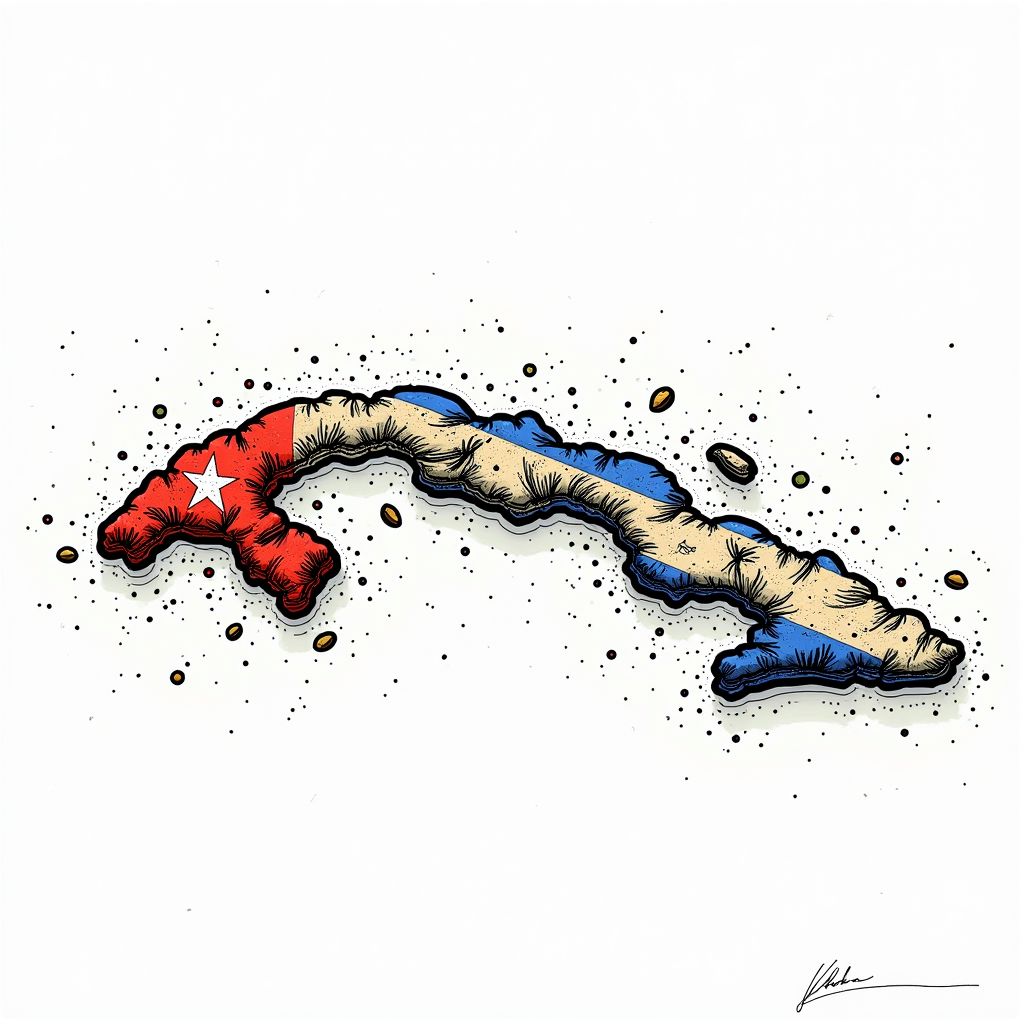
Havana, Tuesday, 17 March 2026.
A nationwide blackout has left 10 million Cubans in darkness due to a US oil blockade, prompting unprecedented remarks from President Trump about taking over the destabilized island.
From Diplomatic Talks to Total Blackout
Only days ago, Havana confirmed direct economic negotiations with Washington—reportedly involving Raúl Castro’s grandson—in a desperate bid to resolve the crippling United States oil blockade [6]. However, the crisis escalated dramatically this week before any diplomatic resolution could take root. On Monday, March 16, 2026, the Unión Eléctrica de Cuba (UNE) confirmed a complete disconnection of the National Power System (SEN) at 1:40 p.m. local time [4][5]. This total blackout plunged approximately 10 million residents into darkness, marking the island’s sixth nationwide grid collapse in the past year and a half [4][5].
A Grid Pushed Beyond Its Limits
The root of this acute infrastructure failure lies in a severe fuel shortage exacerbated by aggressive U.S. foreign policy. Since mid-December 2025, the administration of U.S. President Donald Trump has enforced a maritime fence in the Caribbean to restrict Venezuelan oil shipments [5]. By January 2026, the U.S. effectively shut off the flow of oil to Cuba, threatening tariffs against any nation supplying fuel to Havana [1][2][5]. Because domestic production only covers 40 percent of the island’s crude oil needs [5], the country is forced to import the remaining 60 percent. With no oil deliveries arriving for the past three months [1][5], the black market price for gasoline has surged to a staggering $9 per liter [1].
Geopolitical Escalation and Rhetoric
These unprecedented remarks have drawn sharp condemnation from Havana. Cuban Deputy Foreign Minister Carlos Fernández de Cossío responded to the blackout and the surrounding U.S. rhetoric by stating, “Officials in the US (government) must be feeling very happy by the harm caused to every Cuban family” [1]. Meanwhile, Cuban President Miguel Díaz-Canel emphasized that the U.S. blockade’s impact is “most brutally manifested in these energy issues,” causing widespread anguish among the population [1]. Despite the hostile public exchanges, Díaz-Canel previously confirmed that his government has initiated dialogue with the Trump administration to identify and resolve bilateral problems [1][2][5]. In what appeared to be a goodwill gesture preceding these talks, the Cuban government released 51 prisoners last week [5].
Domestic Unrest and Economic Desperation
The macroeconomic picture remains exceptionally grim. Cuba’s gross domestic product has contracted by 15 percent since the onset of the COVID-19 pandemic, a decline that has contributed to the emigration of up to 20 percent of the population [4]. In a desperate bid to inject capital into the paralyzed economy, the Cuban government announced on Monday that it would allow Cubans living abroad to invest in or outright own businesses on the island [4]. However, with aviation fuel shortages forcing major carriers like Air Canada to suspend flights until November 2026 [alert! ‘Air Canada’s suspension timeline relies on preliminary plans and could shift depending on fuel availability’] [1], attracting foreign investment while the physical infrastructure remains paralyzed presents a formidable challenge for Havana.