Wendy’s Faces Lawsuit Over Allegations of Coordinated Menu Price Hikes
Dublin, Tuesday, 24 November 2026.
A federal antitrust lawsuit accuses Wendy’s of secretly centralizing menu pricing through software provider NCR Voyix, suppressing competition across franchises to inflate nationwide consumer costs despite rising share prices.
Federal Antitrust Lawsuit Alleges Coordinated Pricing Scheme
A federal class-action lawsuit filed on Monday, 24 November 2026, in the U.S. District Court for the District of Maryland accuses Wendy’s (NASDAQ: WEN) of conspiring with NCR Voyix (NASDAQ: VYX) to artificially inflate menu prices across its nationwide franchise network by centralizing pricing decisions through a shared software system [1]. The complaint, brought by a single plaintiff on behalf of a proposed class of consumers, alleges that Wendy’s and NCR Voyix violated antitrust laws by suppressing price competition among franchisees through coordinated data-sharing and pricing directives [1]. The lawsuit claims that Wendy’s falsely represents to investors and the public that individual franchisees independently set menu prices, despite evidence suggesting otherwise [1][2]. The case follows a similar legal challenge against McDonald’s involving allegations of misuse of automated pricing tools to illegally coordinate prices [1].
Technology and Data Sharing Under Scrutiny
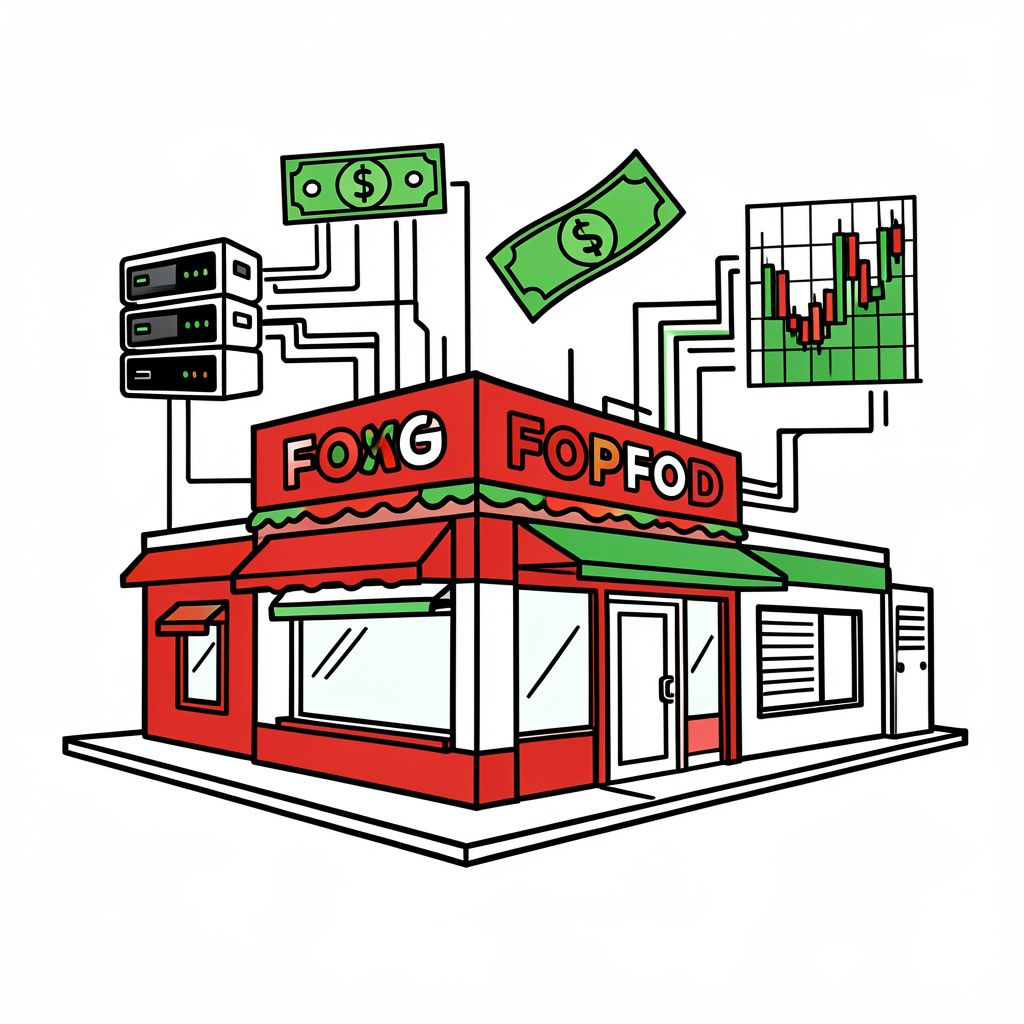
According to the complaint, Wendy’s allegedly leverages NCR Voyix’s Aloha point-of-sale system to collect and distribute transaction-level sales data across competing franchise locations, enabling centralized pricing adjustments [1][2]. The lawsuit asserts that this system inhibits competition by requiring franchises to use NCR Voyix’s software and prohibiting price competition, effectively turning independent restaurants into a coordinated pricing network [2]. Plaintiff’s counsel, Allen Neumark, stated in interviews that Wendy’s began implementing this pricing coordination system as early as 2016, acting as a de facto pricing authority despite public claims of franchisee autonomy [2]. Neumark emphasized that when businesses that should compete instead collude on price, consumers bear the financial burden [2]. Legal experts note this case reflects a broader regulatory focus on the use of algorithmic pricing tools in the quick-service restaurant (QSR) sector [GPT].
Market Reaction and Corporate Response
Despite the lawsuit’s filing, Wendy’s shares experienced a modest gain of 1.29% on Tuesday, 24 November 2026, defying initial expectations of a market pullback [2]. Analysts suggest the rise may reflect investor confidence in the company’s long-term strategy or skepticism regarding the lawsuit’s merits [2]. Neither Wendy’s nor NCR Voyix has issued a public statement in response to the allegations as of the filing date [2]. The lawsuit seeks two primary forms of relief: monetary damages for alleged overcharges and a court order to halt the sharing of menu price data between competing franchises [2]. Given the complexity of antitrust litigation, legal observers anticipate the case may take several years to resolve [2].
Broader Implications for the Fast-Food Industry
The legal challenge comes at a pivotal moment for Wendy’s, which recently rejected a private acquisition offer on 5 November 2026 and adopted a poison pill strategy to deter hostile takeovers [2]. While unrelated to the pricing lawsuit, this corporate governance move has intensified scrutiny on the company’s operational and financial practices [2]. TipRanks data shows that the average analyst price target for Wendy’s stock is $7.40, implying a potential downside of -14.451, based on a 12 Hold and four Sell consensus over the past three months [2]. This case also raises questions about the ethical and legal boundaries of algorithmic pricing in consumer-facing industries, particularly as automated systems become more prevalent in retail and hospitality [GPT].
Consumer Recourse and Public Awareness
The lawsuit highlights potential avenues for consumer compensation, though the exact damages sought have not been specified in filings [2]. Legal commentators suggest affected customers may participate in future settlement discussions if the case advances [GPT]. Meanwhile, social media posts have amplified awareness of potential class-action claims, with users sharing tips on how to claim refunds in related consumer lawsuits [alert! ‘social media posts are not legal advice or official claims’]. For instance, one viral post on X (formerly Twitter) encouraged consumers to export purchase histories from major retailers to identify potential overcharges in class actions, though such claims require formal legal processes and validation [4].