Economic Divide Widens as Wealthy Americans Fuel Spending
Washington, Wednesday, 4 February 2026.
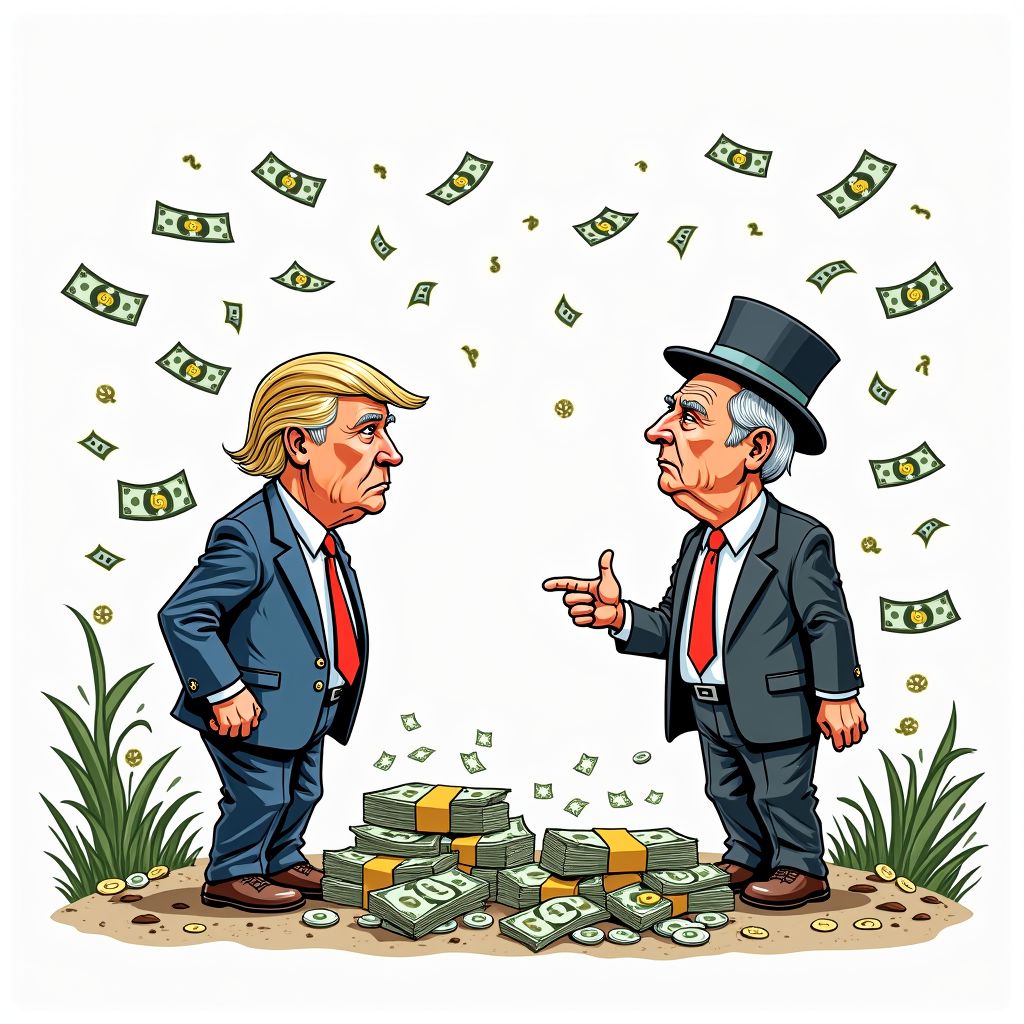
New data confirms a sharp divergence: the top 40% of households now account for 60% of all consumer spending, while lower-income groups remain financially stagnant.
A Tale of Two Economies
Data released Tuesday by the Federal Reserve Bank of New York provides quantitative evidence of a “K-shaped” economy, where financial trajectories for Americans are splitting sharply based on income and education [1]. While households earning over $125,000 have boosted their inflation-adjusted spending by 2.3% since 2023, those earning below $40,000 have managed an increase of only 0.9%—a difference of 1.4 percentage points [1]. The disparity is even more pronounced when education is considered; households with college graduates increased spending by 4% by November 2024, whereas non-college households saw their consumption fall below January 2023 levels for nearly two years, only recovering to baseline in late 2024 [1]. Rajashri Chakrabarti, an economic research advisor at the New York Fed, noted that these divergent retail trends are consistent with widening inequality amid broader growth [1].
Concentration of Purchasing Power
This bifurcation has resulted in a heavy concentration of economic activity among the affluent. Currently, the top 40% of U.S. households by income are responsible for 60% of all consumer spending [2]. This structural shift is underpinned by a significant accumulation of assets at the top; the wealthiest one-fifth of Americans saw their share of earnings rise from 54% in the 1990s to 60% in the 2020-2025 period [1]. Consequently, their proportion of spending has expanded from 53% to 57% over the same timeframe [1]. While government stimulus and hiring temporarily narrowed the wealth gap in 2021 and 2022, the expiration of pandemic-era support and the subsequent inflation shock have left lower-income consumers treading water while the wealthy benefit from stock market gains and high-yield savings [1][4].
Corporate Earnings Signal Distress
Major consumer-facing corporations have begun adjusting their strategies to navigate this divided landscape. During earnings reports in late 2025, executives highlighted a pullback from lower-income demographics [4]. Chipotle, which derives approximately 40% of its sales from households earning less than $100,000, cut its sales-growth forecast for three consecutive quarters as of October 2025, citing pressure on younger and lower-income consumers who are shifting to grocery options [4]. Similarly, Coca-Cola reported strong demand for premium brands but noted continued pressure on middle- and low-income consumers, prompting the company to adjust pricing and package sizes for lower-end products to maintain volume [4]. Crocs CEO Andrew Rees described a consumer base where the affluent remain in “great financial shape,” while a large portion of mass-market buyers have become “super cautious” [4].
Structural Risks and Policy Implications
The deepening inequality is not merely a cyclical fluctuation but appears to be hardening into a structural feature of the post-pandemic economy. By the third quarter of 2025, the wealthiest 1% of Americans held nearly 32% of the nation’s wealth, while the bottom 50% controlled just 2.5%—meaning the top percentile holds 12.8 times more wealth than the entire bottom half of the population combined [3]. This consolidation poses risks for long-term stability. Federal Reserve Chair Jerome Powell has warned that relying too heavily on a small section of the economy to drive growth could lead to instability [3][4]. Furthermore, while the AI sector has attracted over $1 trillion in capital investment, economists note that these productivity gains have yet to translate into broad-based wage growth, potentially exacerbating the disconnect between capital returns and labor income [6].
Summary
As of February 2026, the U.S. economy presents a paradox of aggregate strength masking underlying fragility. While the top earners continue to propel consumption and market growth, the stagnation of the lower and middle classes suggests a narrowing base of economic support. With layoffs surging 50% in 2025 and savings buffers depleted for many, the resilience of the broader economy may increasingly depend on whether policy or market forces can reverse the concentration of wealth that has defined the last three years [3].
Sources
- apnews.com
- www.newyorklifeinvestments.com
- www.forumnadlanusa.com
- www.aol.com
- www.winebusiness.com
- www.webpronews.com