Trump Blocks Creditors From Seizing Venezuelan Oil Revenue Held in US
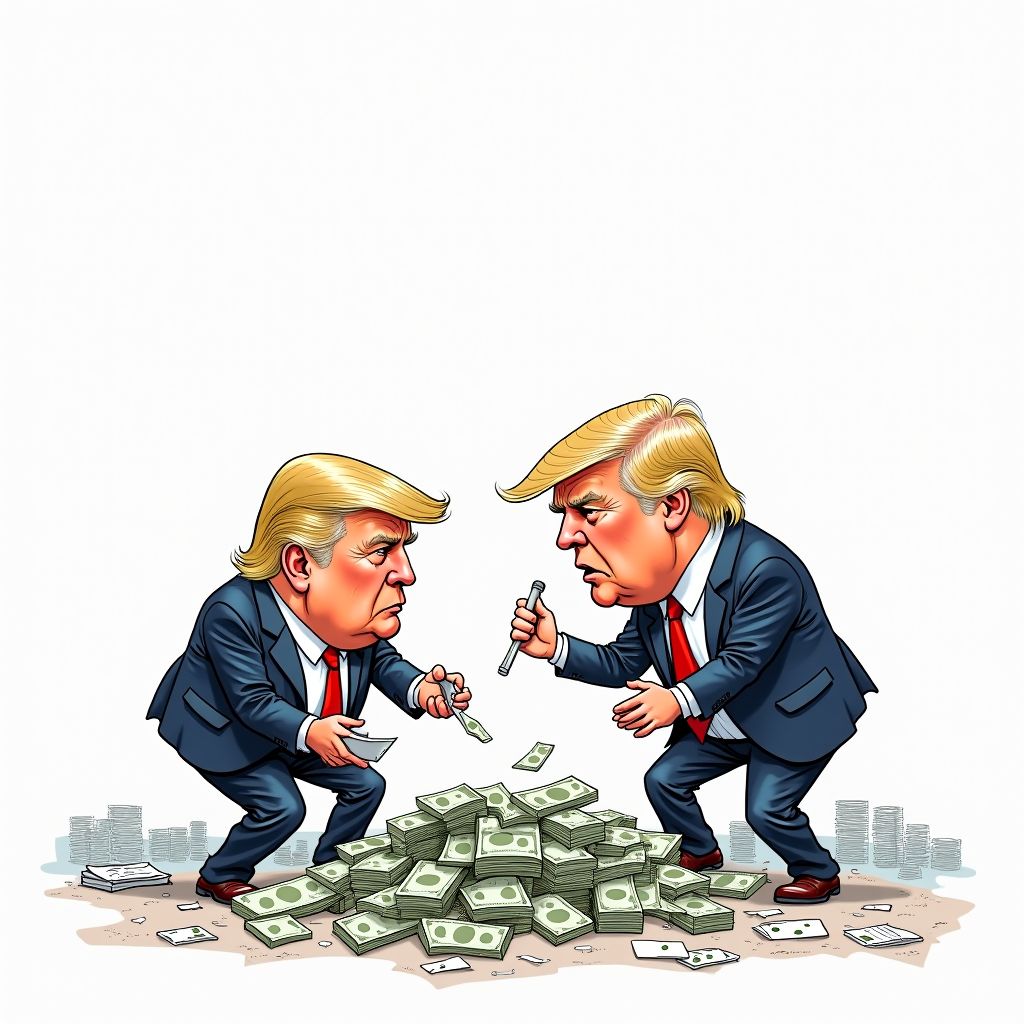
Washington D.C., Saturday, 10 January 2026.
President Trump issued an emergency order blocking creditors from seizing Venezuelan oil revenue in US accounts, prioritizing national stability over satisfying billions in outstanding corporate debt.
Strategic Firewall: Protecting Sovereign Assets
Following the initial market optimism detailed in our previous report, “Global Markets Rally on US Plans to Revitalize Venezuela’s Vast Oil Reserves” [https://wsnext.com/442d0bd-Stock-Market-Geopolitics/], the Trump administration has moved decisively to secure the financial foundation of this ambitious geopolitical project. On Friday, January 9, 2026, President Donald Trump signed an executive order declaring a national emergency to block US courts and private creditors from seizing Venezuelan oil revenue held in United States Treasury accounts [1][2][5]. The directive, made public on Saturday, January 10, prioritizes the stabilization of Venezuela over the immediate satisfaction of outstanding corporate debts, designating these funds as sovereign property held for “governmental and diplomatic purposes” [1][6]. The White House asserts that allowing these assets to be liquidated through judicial processes would “materially harm” US national security and foreign policy objectives, specifically the efforts to transition Venezuela following the capture of Nicolás Maduro on January 3 [1][5]. This legal maneuver effectively freezes approximately $2.5 billion in oil revenue [5], securing it for the administration’s broader strategy to rebuild the nation’s infrastructure.
The Creditor Conflict: Debt vs. Development
This executive action introduces significant friction between the administration’s foreign policy goals and the financial interests of major American energy corporations. Companies such as ExxonMobil and ConocoPhillips have spent nearly two decades pursuing compensation after their assets were nationalized by the Venezuelan government in 2007 [1][7]. ConocoPhillips CEO Ryan Lance has stated that his company alone is owed $12 billion [1]. The executive order explicitly prohibits any “attachment, judgment, decree, lien, execution, garnishment, or other judicial process” against the designated funds, rendering them inaccessible to these corporations for debt recovery [5]. This creates a complex dynamic, as the current revenue secured by the White House represents a mere 2.5 percent of the $100 billion investment the Trump administration is simultaneously soliciting from these same oil majors to rehabilitate Venezuela’s energy sector [2][5].
Industry Hesitation and “Uninvestable” Markets
The tension between the White House and the energy sector was palpable during a meeting convened by President Trump on Friday, January 9, just hours before the order was signed [1][2]. While the administration is pushing for a $100 billion capital injection to revitalize production, industry leaders expressed deep skepticism regarding the current operating environment [2]. Darren Woods, CEO of ExxonMobil, bluntly characterized Venezuela as “uninvestable” under its current commercial frameworks, signaling that sweeping reforms are a prerequisite for the return of Western capital [2][6]. Despite these reservations, the administration maintains that it is “working well” with the companies, with plans for the US government to manage Venezuelan oil sales indefinitely to ensure proceeds support regional stability rather than private claims [2][5]. Currently, the US has secured an agreement with interim leaders to provide up to 50 million barrels of crude oil directly to the United States [1].
Sources
- www.reuters.com
- www.cnbc.com
- www.foxnews.com
- www.bloomberg.com
- www.axios.com
- apnews.com
- www.lemonde.fr